




المعلومات القانونية

How Does International Trade Secret Misappropriation Defense Work?
An international trade secret misappropriation defense attorney may address claims under the Defend Trade Secrets Act (DTSA), New York law, or both when alleged conduct crosses national borders. Key issues include whether the information qualifies as a trade secret, whether acquisition or use involved improper means, and whether U.S. .aw reaches foreign conduct. Cross-border cases may also raise personal jurisdiction, choice-of-law, discovery, confidentiality, and parallel-proceeding issues.
اقرأ المزيد

How Does a Civil Law Office Build a Strategy for Your Case?
A civil law office handles disputes between private parties, organizations, or individuals where one party seeks monetary damages, injunctive relief, or specific performance rather than criminal penalties. Civil litigation in the United States operates under strict procedural rules that govern filing deadlines, discovery obligations, and evidence presentation. Procedural defects, such as improper service or missed filing windows, can result in dismissal or create viable defense postures that reshape the entire case. This article covers the core functions of a civil law office, the types of disputes it manages, procedural requirements that affect your rights, and strategic considerations for potential litigants navigating the civil court system.
اقرأ المزيد
What Are Your Rights and Obligations under Creditors Law?
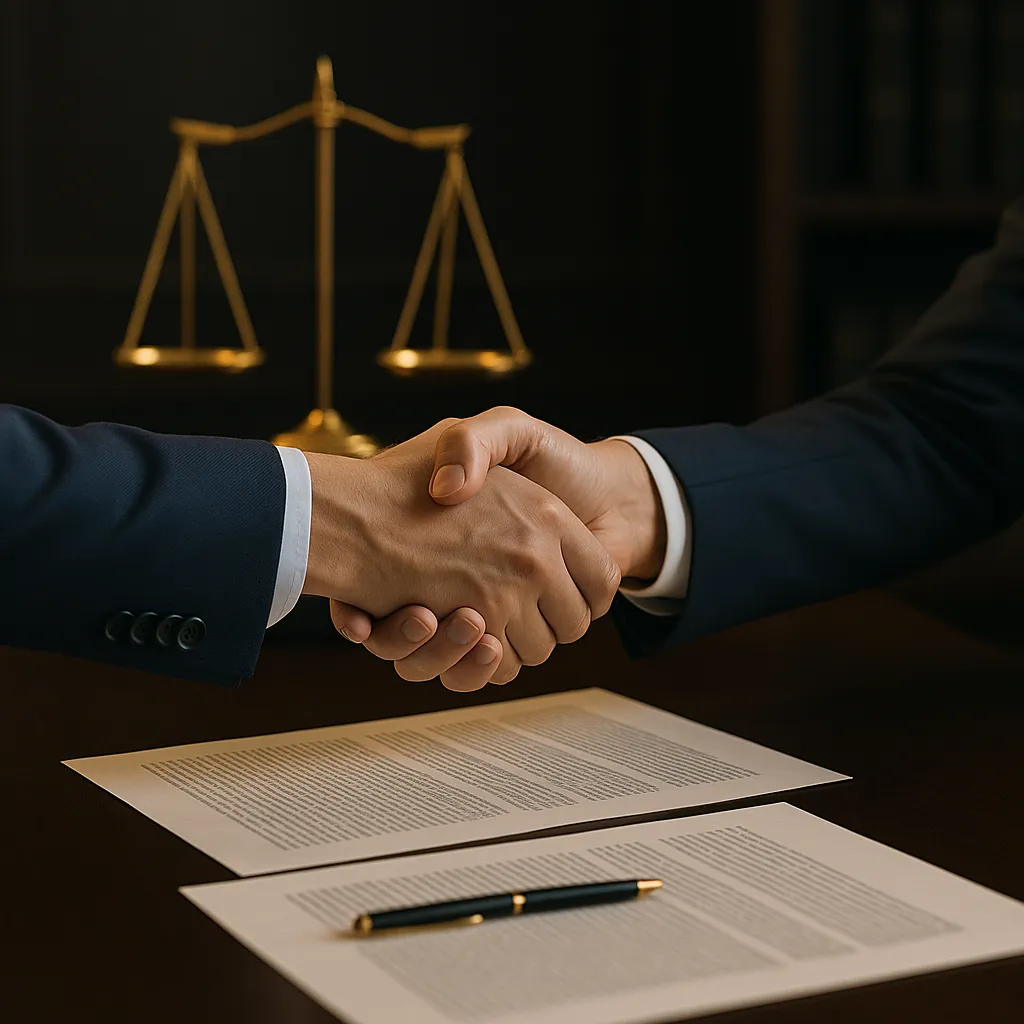
Creditors law encompasses the statutory and common-law rules that govern the relationship between creditors and debtors, including collection rights, enforcement mechanisms, and protections against unlawful debt collection practices. The primary framework requires creditors to comply with strict procedural requirements when pursuing collection actions, including proper notice and service of process. Violations of these requirements can result in dismissal of claims, damages to the creditor, or viable defenses for the debtor. This article covers the key statutory obligations, collection procedures, judgment enforcement, and the practical considerations creditors face when navigating debt recovery in New York and federal contexts.
اقرأ المزيد

Protecting Your Internet Copyright and Handling Violations
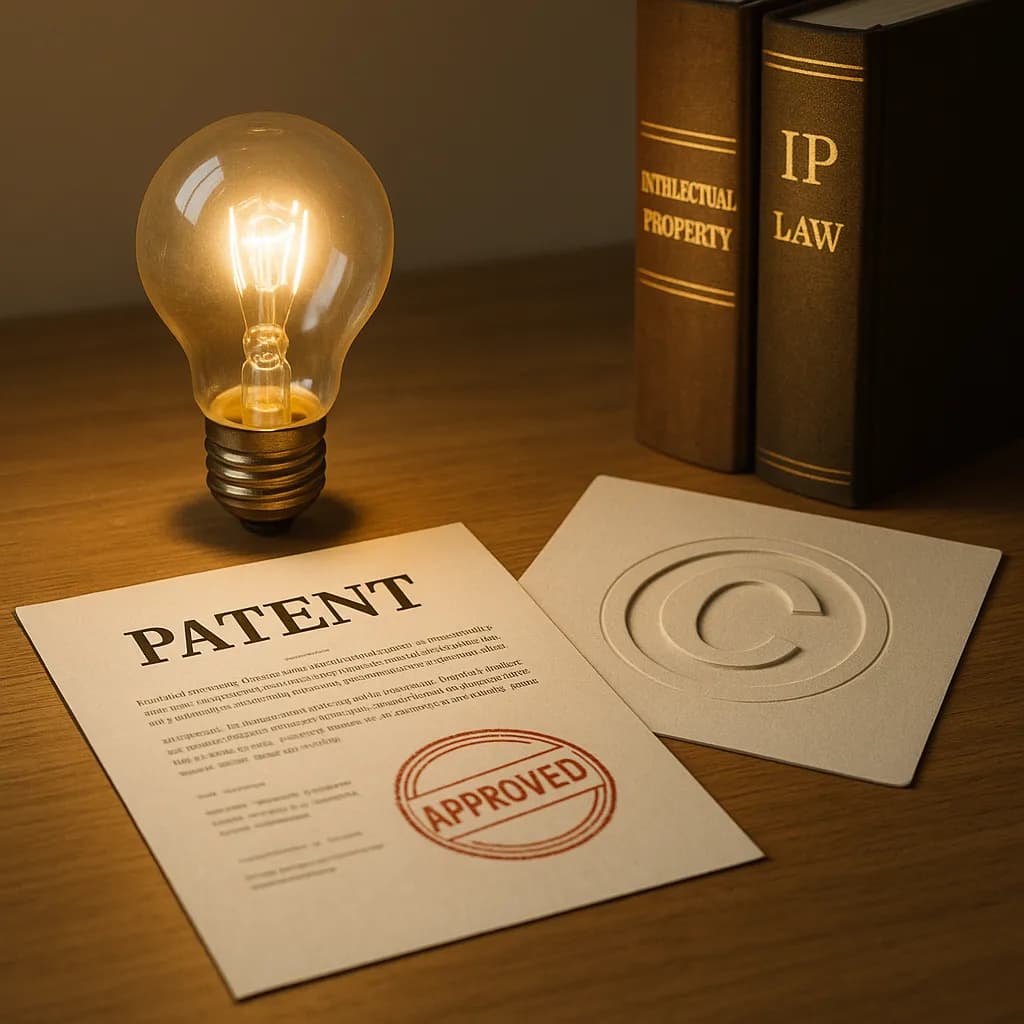
Internet copyright infringement occurs when someone reproduces, distributes, performs, or displays copyrighted material online without authorization from the copyright holder, and the law provides multiple avenues for enforcement and defense depending on the circumstances and parties involved. The Digital Millennium Copyright Act and the Copyright Act establish statutory frameworks that govern how copyright claims proceed in federal court, with strict notice requirements, damage calculations, and procedural deadlines that can determine whether a claim survives or faces early dismissal. Defects in notice, proof of ownership, or timeliness of filing can create viable defense postures or bar recovery entirely. This article covers statutory definitions of infringement, the role of intent and knowledge, available remedies, common procedural pitfalls, and how courts evaluate evidence of unauthorized use online.
اقرأ المزيد
How New York Workers Can Navigate Compensation Disclosure Rules
Compensation disclosure is the legal mandate requiring employers to state salary ranges on job postings. This transparency procedure helps job seekers and current staff evaluate pay equity, understand organizational wage structures, and address unlawful pay disparities directly.For individuals employed across New York, analyzing these clear benchmarks remains essential for long-term career growth. This overview explains how regional transparency mandates operate and details practical verification measures. Recognizing how compensation disclosure rules apply allows individuals to monitor workplace equity effectively and consult qualified legal counsel when an unresolved discrepancy occurs. Ultimately, clear compensation disclosure frameworks ensure a more accountable corporate environment.
اقرأ المزيد

Land Use and Zoning Law: Property Rights, Variances, and Key Legal Strategies
Land use and zoning law governs variances, rezoning requests, and property-use restrictions under New York zoning regulations and constitutional protections. Land use and zoning law determines how property may be developed, occupied, expanded, or repurposed within a municipality. Whether pursuing a variance, rezoning application, or protection of a nonconforming use, understanding land use and zoning law can significantly affect project feasibility and long-term property value. In my experience reviewing zoning disputes, successful outcomes often depend on procedural compliance, a well-developed administrative record, and early assessment of potential constitutional claims. This guide explains how land use and zoning law shapes property rights, municipal enforcement actions, zoning board proceedings, and legal challenges to restrictive land-use regulations.
اقرأ المزيد
