



1. SME Technology Protection Unauthorized Use of Attendance System
The client, a D.C.-based SME technology protection company, learned that its attendance-management software was being used by a corporation with whom it had no contractual relationship.
The discovery triggered an internal inquiry and the need to analyze applicable District of Columbia IP and contract laws.
When the client recognized its program running in a non-contracted entity, it initiated a technical audit to identify the installation path and timestamps.
The audit confirmed that the software’s core modules, including proprietary algorithms and UI frameworks, were replicated without permission.
Because the SME technology protection firm had built the software uniquely and owned all copyrights, the unauthorized deployment aligned with classic indicators of infringement.
The matter required immediate legal analysis to prevent further distribution, financial loss, and system integrity risks.
Source Code Extraction by Former Contact

Further tracing revealed that an individual previously encountered during a service visit to another corporation had covertly copied the source code.
This individual then transferred the code to a third party in exchange for personal financial gain.
For an SME technology protection developer, source code represents the essence of trade secret protection, and such unauthorized extraction is treated under both federal copyright laws and D.C. misappropriation standards as a direct violation of intellectual property rights.
Evidence logs, device access records, and software build signatures were critical in confirming the breach.
2. SME Technology Protection Copyright and Trade Secret Framework
Under both federal copyright statutes and District of Columbia trade secret principles, source code is treated as a protectable intellectual asset.
The client’s software qualified as a copyright-protected work because the source code contained uniquely authored elements, innovative logic, and a distinctive system architecture.
The unauthorized reproduction and distribution were clear violations of exclusive rights under federal law.
For SME technology protection providers, proving authorship and originality is essential, and documentation such as development logs, version histories, and internal repositories played a decisive evidentiary role.
Trade Secret Misappropriation Risks for Smes
The SME faced an additional layer of harm: its competitive advantage derived from proprietary design.
Under D.C. .egal principles, a trade secret must provide independent economic value and be subject to reasonable secrecy measures.
The client satisfied these conditions, as access to the system was restricted and code repositories required authenticated credentials.
Misappropriation occurred when the individual knowingly took and sold the code despite having no authorization, causing measurable market harm and disrupting contractual opportunities.
3. SME Technology Protection Financial Impact and Market Disruption
Unauthorized use of proprietary technology has immediate and long-term consequences for SME businesses.
Because the illegally distributed software enabled unlicensed entities to operate the program without paying licensing fees, the client experienced a sharp decline in new contracts.
The impact on SME technology protection firms is especially severe because market perception and customer onboarding pipelines are sensitive to unauthorized distribution.
Additionally, corporate clients hesitated to formalize agreements once they realized the technology was already circulating without controls.
Maintenance Burden and Liability Exposure
Illegally obtained software versions were installed without the client’s maintenance protocols.
As problems emerged, bugs, performance errors, outdated modules the SME technology protection provider found itself indirectly blamed for system failures.
Without maintenance agreements, the company could not support these installations, yet its business reputation remained at risk.
This situation further underscored the financial and operational damages inherent in unlicensed deployments.
4. SME Technology Protection Enforcement Strategy and Case Resolution
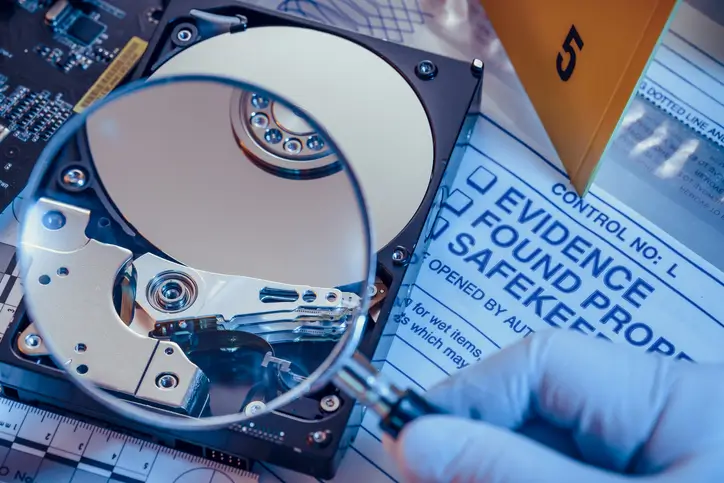
The legal response focused on establishing clear evidence, engaging investigators, and initiating a criminal complaint.
This comprehensive strategy ultimately resulted in a favorable outcome for the SME technology protection company.
The representation team gathered server logs, installation metadata, IP access traces, witness statements, and device forensics.
These materials demonstrated intentional copying and monetization of proprietary code.
Because the SME technology protection firm held copyright registrations and maintained internal security protocols, the evidentiary foundation satisfied legal standards for infringement and misappropriation.
Criminal Judgment and Protection of SME Technology Protectionrights
The legal team proceeded with a criminal complaint against the individual responsible for distributing the code.
After reviewing the technical evidence and financial motives, the court imposed a substantial fine, affirming the seriousness of unauthorized software extraction.
This result ensured accountability, mitigated ongoing financial damage, and reinforced the strength of legal protections available to SME technology protection companies in Washington D.C.
03 Dec, 2025
