المعلومات القانونية

How a Medical Negligence Attorney Protects Your Legal Rights
Medical Negligence Attorney's Key strategies: Establishing the standard of professional care, proving a direct causal link to injuries, and calculating comprehensive damages for fair compensation.When healthcare providers fail to meet the standard of care expected in their profession, patients may suffer serious injuries or complications. A medical negligence attorney specializes in representing individuals who have been harmed due to medical errors, misdiagnosis, or improper treatment. These legal professionals help victims pursue compensation for medical expenses, lost wages, pain and suffering, and other damages resulting from healthcare provider negligence. Understanding your rights and the legal options available to you is essential when facing the consequences of medical malpractice.
اقرأ المزيد

Corporate Business Registration in New York: Essential Steps and Legal Requirements
Corporate business registration overview and key requirements:Corporate business registration is a foundational step for establishing a legally recognized business entity in New York. It defines your company’s legal structure, ensures state compliance, and provides essential protections such as liability separation and operational legitimacy. Understanding the filing process, required documentation, and ongoing obligations helps business owners build a compliant and stable foundation for long-term growth and regulatory alignment. .orporate business registration is a fundamental process for entrepreneurs and organizations seeking to establish a legal business entity in New York. This registration creates an official record of your business with the state, providing essential protections and legal recognition. Understanding the requirements and procedures for corporate business registration ensures compliance with New York state law and protects your business interests from the outset. The process involves multiple steps, documentation requirements, and ongoing compliance obligations that every business owner should understand thoroughly.
اقرأ المزيد

Which Legal Steps Are Critical for Your Sole Proprietorship to Corporation Change?
Moving from a sole proprietorship to a corporation provides legal advantages and asset protection, making professional legal consultation a vital step for businesses.Converting a sole proprietorship to a corporation represents a significant business decision that offers substantial legal and financial advantages. This transformation process involves restructuring your business entity to gain liability protection, potential tax benefits, and improved credibility with clients and investors. Understanding the requirements, steps, and implications of transitioning from a sole proprietorship to a corporation is essential for business owners seeking growth and enhanced legal protection.
اقرأ المزيد
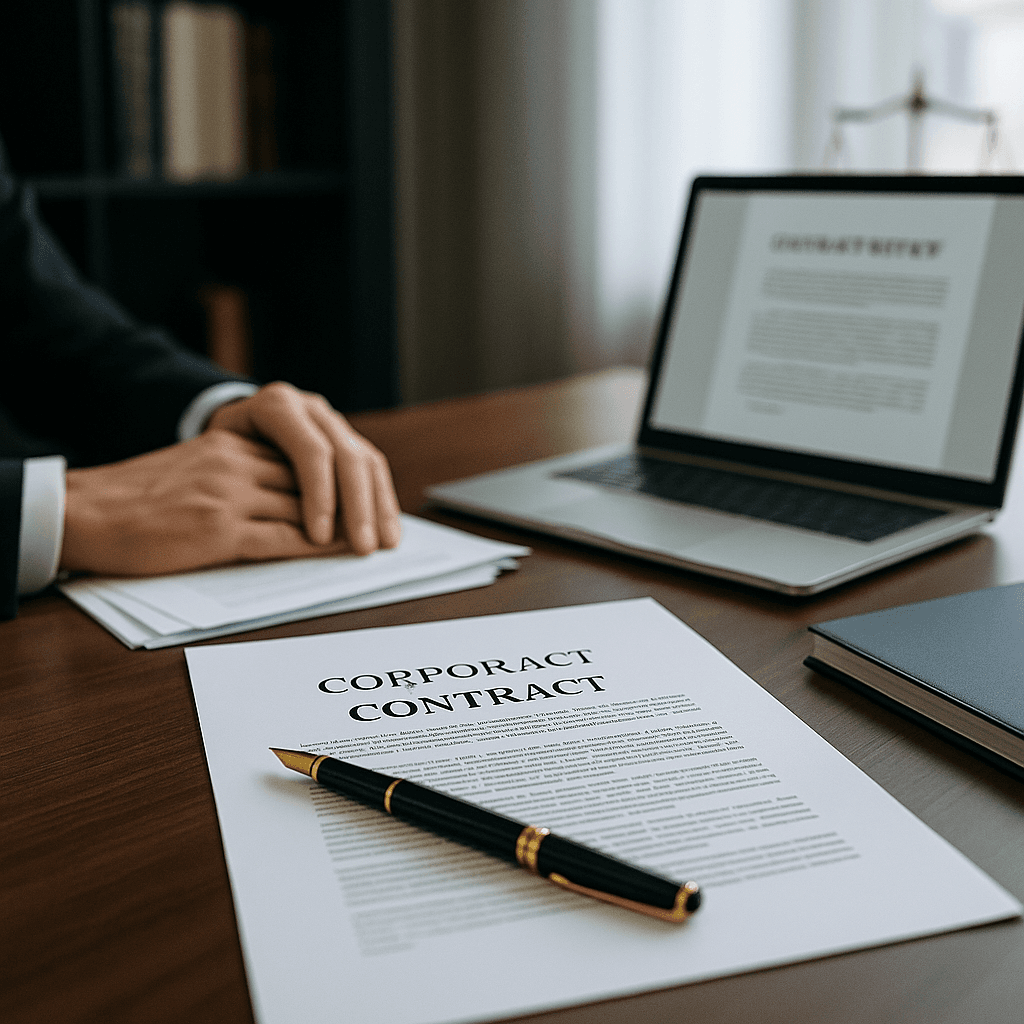
The E-Sign Act: Understanding Digital Signature Laws
The E-Sign Act, officially known as the Uniform Electronic Transactions Act, establishes the legal framework for electronic signatures and digital records in the United States. This federal legislation ensures that electronic documents carry the same legal weight as paper documents, enabling businesses and individuals to conduct transactions more efficiently. Understanding how the E-Sign Act applies to your transactions is essential for compliance and legal protection.
اقرأ المزيد

Supply and Distribution Contracts: Essential Legal Protections
Supply and distribution contracts form the backbone of commercial relationships between manufacturers, distributors, and retailers. These agreements establish the terms under which goods move through the supply chain, defining responsibilities, payment terms, and dispute resolution mechanisms. Understanding the legal framework governing supply and distribution contracts in New York is essential for businesses seeking to protect their interests and ensure smooth operations. This guide explores the key elements, legal requirements, and best practices for creating effective supply and distribution contracts that comply with New York law.
اقرأ المزيد

How Can Companies Manage a Rebate Report?
Managing a rebate report involves identifying issuers, tracking transaction dates, and maintaining authorization logs, which serves as a protective measure against regulatory scrutiny and provides a clear audit trail for complex financial settlements.A rebate report is a critical document used in various industries to track, document, and verify rebate transactions, discounts, and financial adjustments. In New York, rebate reports serve essential functions in regulatory compliance, tax reporting, and business accountability. Understanding the requirements for preparing and submitting accurate rebate reports helps organizations maintain legal compliance and avoid potential penalties. This guide explains the key aspects of rebate reporting, relevant New York regulations, and best practices for documentation and submission.
اقرأ المزيد