المعلومات القانونية

International Trade and Commerce in New York: Legal Risks, Compliance Duties, and Business Protection
A New York attorney’s key strategies for international trade and commerce:• Strong trade compliance starts with accurate tariff classification, complete customs records, and internal controls that reduce audit and penalty exposure.• Import and export activity can trigger licensing, export control, and end-user screening obligations that must be handled before goods move across borders.• Clear contracts and early dispute planning help businesses manage payment issues, delivery conflicts, and cross-border enforcement problems more effectively.
اقرأ المزيد

How to Navigate Inheritance after Death?
Inheritance after death involves a legal transition where an individual's assets are distributed to survivors. In Washington D.C., this process is governed by the D.C. Code, providing a roadmap for both testate and intestate situations. Understanding these nuances is essential to ensure property is transferred fairly and according to the law. This guide explores the order of succession, grounds for disqualifying heirs, and the necessary procedural steps to protect an estate. Professional legal oversight is recommended to navigate specific local rules in the Superior Court of the District of Columbia.
اقرأ المزيد

What Is a Recapitalization and How Does It Affect My Corporation?
A recapitalization is a restructuring of a corporation's capital structure, typically involving changes to the classes, amounts, or terms of stock outstanding.Recapitalizations serve multiple business purposes, from refinancing debt to adjusting ownership stakes and tax positioning. The viability and mechanics of any recapitalization depend on state corporate law, your articles of incorporation, shareholder agreements, and creditor protections. This article explores the strategic rationale for recapitalizations, the procedural and legal requirements, common risks, and best practices for documentation and execution.
اقرأ المزيد

How Can Petitioners Prepare for Regulatory Inquiries Effectively?
Regulatory inquiries are formal or informal requests for information, documents, or testimony initiated by government agencies, boards, or commissions to investigate compliance with applicable laws, rules, or standards. Petitioners facing regulatory inquiries must understand that these investigations operate under statutory timelines and evidence standards that differ from criminal or civil litigation. Failure to respond adequately, provide accurate information, or meet filing deadlines can result in dismissal of a petition, sanctions, or an adverse agency decision that becomes difficult to challenge later. This article addresses what regulatory inquiries entail, how they affect petitioner rights, common procedural pitfalls, and strategic considerations for protecting your interests throughout the process.
اقرأ المزيد

Commitment Proceedings: Procedure and Strategy under New York Law
Commitment proceedings in NYC authorize courts to hospitalize individuals whose mental illness poses imminent danger. Under New York Mental Hygiene Law, commitment proceedings follow strict procedural rules that balance individual liberty with public safety. Courts apply the "clear and convincing evidence" standard, requiring psychiatric evaluation, proper notice, and the right to counsel. When facing commitment proceedings, understanding statutory criteria and procedural safeguards is essential.
اقرأ المزيد

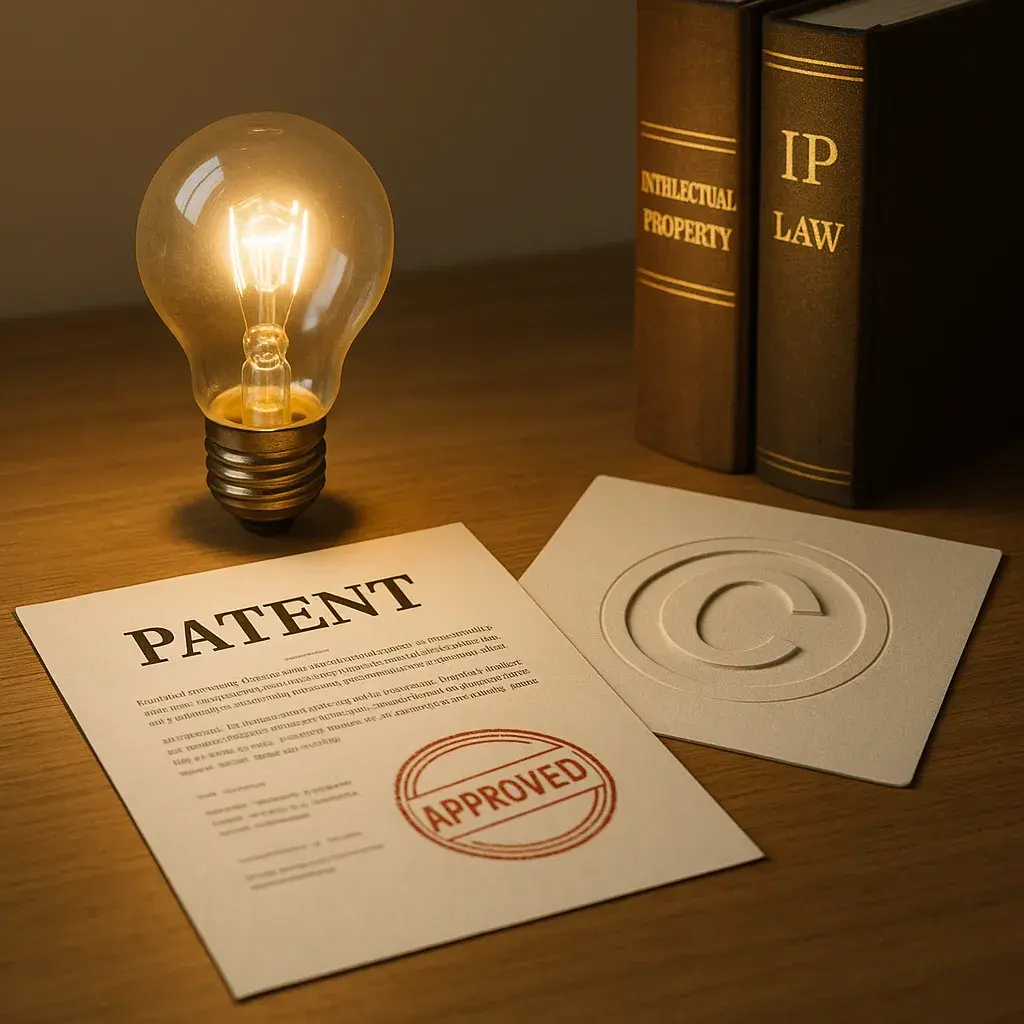
What Remedies Are Available in an Intellectual Property Rights Dispute?
Copyright holders face significant strategic and procedural challenges when infringement occurs, and understanding the legal framework governing intellectual property rights disputes is essential to preserving claims and maximizing available remedies. Intellectual property disputes in the United States are governed by federal statute, primarily the Copyright Act, and involve both civil litigation and, in some cases, administrative enforcement mechanisms. The burden of proving infringement rests with the copyright holder, who must establish ownership of a valid copyright and demonstrate that the defendant copied protected elements of the work. New York courts apply federal copyright law and have developed substantial case law addressing remedies, damages calculations, and preliminary relief, which means timing and documentation of the infringement become critical from the moment unauthorized use is discovered.
اقرأ المزيد