




Información legal

Us Federal Litigation Discovery Defense Attorney in Manhattan
US federal litigation discovery defense attorney guidance covers ESI, proportionality, privilege, depositions, and protective orders under federal civil rules. Federal discovery can require corporate parties to preserve and produce documents, ESI, and other information relevant and proportional to the needs of the case. Discovery planning may also involve privilege review, confidentiality protections, deposition preparation, and objections to disproportionate requests.
Leer más
What Filing Deadline Applies to an Employment Case in New York?
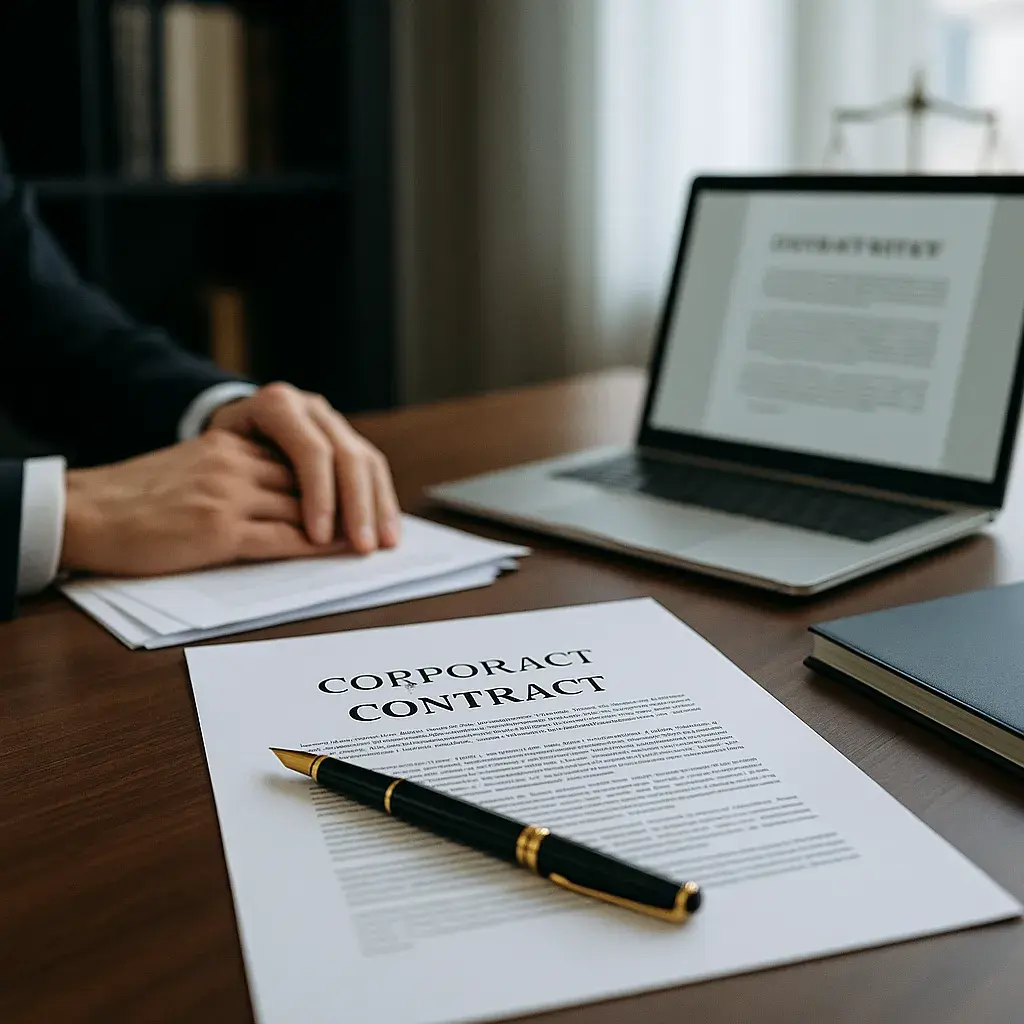
An employment case is a civil dispute arising from the relationship between an employer and employee, involving claims of unlawful conduct, breach of contract, or violation of statutory workplace protections under New York State law. New York employment law requires employers to comply with strict statutory standards governing wages, hours, discrimination, harassment, retaliation, and safe working conditions. When an employer fails to meet these obligations, an employee may pursue claims through administrative agencies, arbitration, or court litigation, each with distinct procedural requirements and filing deadlines. This article covers the legal nature of employment disputes, key statutory frameworks, administrative and judicial pathways available to workers, and practical considerations that shape how these cases develop.
Leer más

How Can a Securities Lawyer Help Recover Investment Losses?
A securities lawyer advises individuals and entities on investment disputes, regulatory compliance, and claims arising from the sale, purchase, or management of securities. Securities law involves complex federal and state regulations that govern how investment products are marketed, sold, and managed. Viability of a claim often turns on whether a broker, advisor, or issuer violated disclosure duties, fiduciary obligations, or anti-fraud rules. This article addresses the role of a securities lawyer, common legal violations, procedural frameworks, and practical steps to protect your investment rights.
Leer más

How to File a Medical Malpractice Complaint
What makes a medical malpractice complaint valid in New York? Prove four elements and file within 2.5 years. New York imposes strict requirements on every medical malpractice complaint filed in state court. To succeed, prove duty of care, breach, causation, and measurable damages with expert certification. The statute of limitations is 2.5 years; public hospital claims also require a 90-day notice of claim. Confirm that your medical malpractice complaint meets all these thresholds before proceeding.
Leer más

How to Stop Abusive Phone Calls Legally: Practical Steps That Work
Learn how to stop abusive phone calls legally through evidence preservation, protection orders, agency complaints, and available legal remedies. Abusive phone calls may violate New York or federal law when they involve threats, harassment, repeated unwanted contact, or unlawful collection practices. Knowing how to stop abusive phone calls legally begins with preserving evidence and identifying the laws that apply. In my experience, organized records help victims pursue protection orders, criminal complaints, and civil remedies more effectively.
Leer más
How Should a Landlord Approach Contract Drafting for Lease Agreements?
A lease agreement is the foundational legal instrument that defines rights, obligations, and remedies between a landlord and a tenant. Its quality directly affects enforcement posture in disputes. Effective lease drafting requires landlords to anticipate default scenarios, establish clear notice and cure procedures, and embed protective language that preserves remedies without creating ambiguity courts may exploit in eviction proceedings. Lease enforceability depends partly on how precisely terms address rent payment timing, maintenance responsibilities, and permitted uses.
Leer más
