




Informations juridiques

Civil Litigation Evidence Rules
In the legal landscape of the nation's capital, mastering Civil Litigation Evidence is paramount for any party seeking justice in the Superior Court of the District of Columbia. These rules of evidence serve as the framework for what information can be presented to a judge or jury during a trial. This guide explores the foundational principles of admissibility, the complexities of hearsay, and the evolving standards for digital proof within the District's jurisdiction. Properly navigating these protocols ensures that your factual assertions are recognized and given due weight by the court. Engaging early with these standards can significantly alter the trajectory of your legal strategy and final recovery.
Lire la suite

Unlawful Fundraising Practices
In Washington D.C., the unauthorized collection of funds from the public, especially when guaranteeing returns, is a severe financial offense. These unlawful fundraising practices involve fraud, luring individuals into financial traps without regulatory oversight. Understanding unlawful fundraising, its penalties, and victim recourse is crucial for public protection and legal enforcement against these illicit schemes.
Lire la suite
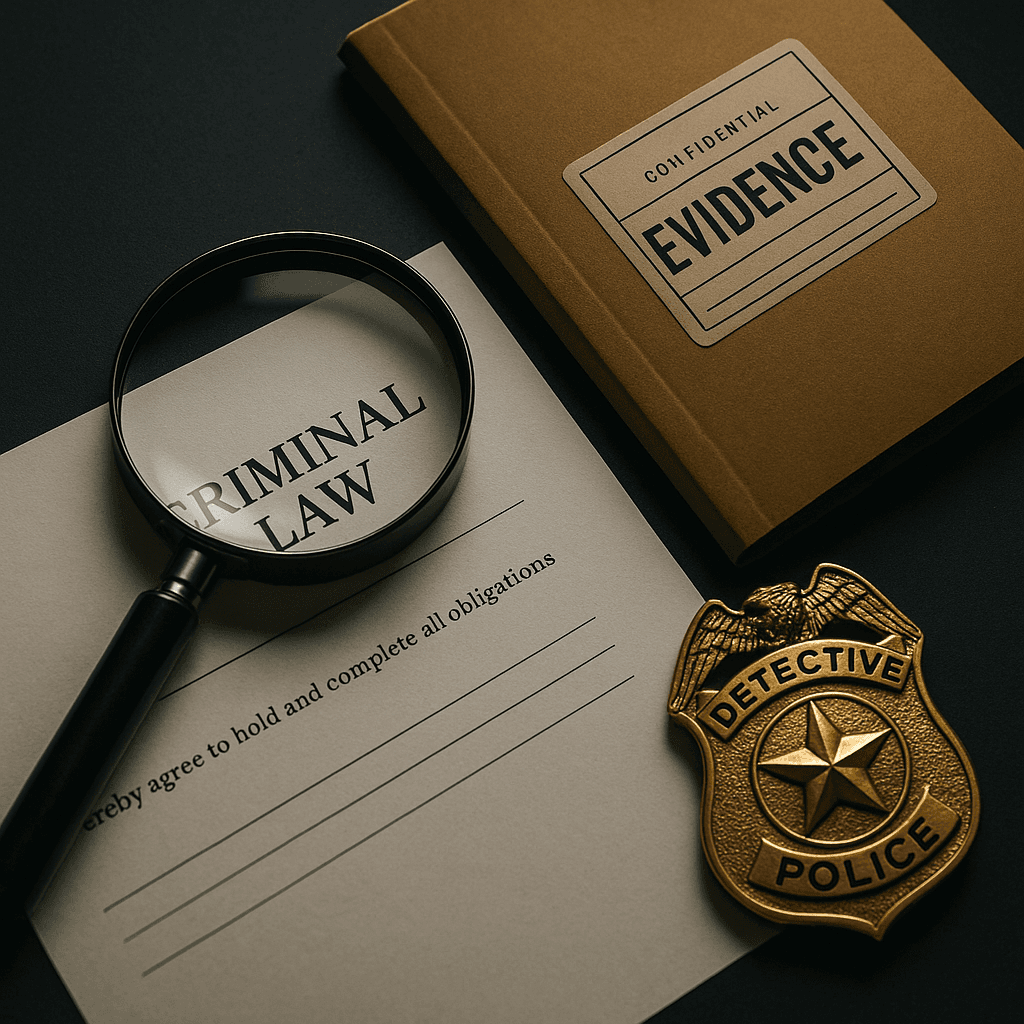
What Are the Core Requirements of Anti-Money Laundering Compliance?
Anti-money laundering compliance refers to the legal and regulatory framework that financial institutions, businesses, and designated non-financial entities must follow to detect, report, and prevent the flow of illicit funds through legitimate channels. The Bank Secrecy Act and its implementing regulations establish mandatory customer identification, transaction monitoring, and suspicious activity reporting obligations that apply across industries. Failure to maintain adequate compliance programs exposes organizations to civil penalties, criminal liability, and reputational harm. This article covers the foundational requirements, compliance program elements, regulatory enforcement trends, and practical considerations for corporate entities navigating this complex legal landscape.
Lire la suite

What Are New York Ediscovery Laws and How to Build Litigation Readiness?
New York ediscovery laws under CPLR 3101 and Commercial Division Rule 11-c require parties to preserve, collect, and produce ESI before disputes escalate. Understanding ediscovery laws and litigation readiness obligations early can protect your organization from sanctions and costly delays in court. New York ediscovery laws establish specific obligations for every party that holds electronically stored information relevant to a dispute. From the moment litigation becomes reasonably foreseeable, CPLR 3101 and Commercial Division Rule 11-c require organizations to preserve data, identify custodians, and negotiate production formats with precision. I have seen firsthand how companies that treat litigation readiness as a last-minute checklist end up facing sanctions, cost-shifting orders, and evidentiary disadvantages that could have been entirely avoided. Building a defensible ediscovery program is not just a procedural formality, it is the foundation of every winning litigation strategy in New York.
Lire la suite

Violent Crimes: Family Reporting
Three Key Violent Crime Reporting Points From a New York Attorney: Family members have limited duty to report, mandatory reporting applies to professionals, and criminal liability differs from civil exposure. When a family member becomes aware of violent crimes, the question of whether and when to report creates genuine legal and personal tension. New York law distinguishes sharply between the general public, mandated reporters, and family members, creating different obligations and protections for each. Understanding these distinctions is critical for families navigating the intersection of loyalty, safety, and legal responsibility.
Lire la suite

What Does a Public Corruption Attorney Do?
A public corruption attorney represents clients in federal and state investigations, prosecutions, and civil proceedings involving allegations that public officials or private parties have engaged in bribery, extortion, honest services fraud, or conflicts of interest. Public corruption cases involve strict statutory frameworks, complex evidentiary standards, and heightened procedural requirements that determine whether charges survive pretrial motions or civil liability claims. Violations of these procedural requirements can result in dismissal, suppression of evidence, or invalidation of charges. This article covers the legal definitions of corruption offenses, investigative postures, prosecutorial strategies, and defense considerations that shape how these cases develop.
Lire la suite
