Informations juridiques

Trade Dispute Resolution in New York
New York trade dispute attorneys break down 3 essential points:• Trade disputes often begin with disagreements over contract terms, payment obligations, or the quality of goods and services, and early case assessment can shape the outcome.• New York businesses may resolve a trade dispute through negotiation, mediation, arbitration, or litigation depending on the stakes, timeline, and relationship between the parties.• Strong legal strategy helps protect revenue, preserve commercial relationships, and pursue remedies such as damages, injunctive relief, or contract enforcement.
Lire la suite

Child Name Change: a Guide to the Legal Process
Child Name Change in New York is a formal procedure requiring judicial approval to ensure the modification serves the minor's highest welfare. This process often arises from family shifts such as divorce or adoption where a parent wishes to align the child's identity with the current household. This judicial oversight acts as a critical safeguard against identity theft and protects the custodial rights of both biological parents. Because a name is a permanent legal identifier, New York courts apply rigorous standards to protect the rights of all parties involved.
Lire la suite

How Does a Technology Action Proceed in Civil Court?
A technology action is a civil dispute over intellectual property rights, licensing agreements, software disputes, or other technology-related contractual or tort claims.These actions require the plaintiff to establish both the legal basis for the claim and the factual elements that support relief, whether through contract interpretation, infringement allegations, or breach of duty. Success depends on preserving evidence, meeting filing deadlines, and anticipating procedural defenses that defendants commonly raise. The scope of this article addresses the key procedural stages, burdens of proof, common defenses, and practical steps parties must take to protect their interests in technology litigation.
Lire la suite
Why Hipaa Legal Advice Mandates Written Audit Trails
HIPAA legal advice addresses the Health Insurance Portability and Accountability Act, a federal statute that governs how covered entities and business associates handle protected health information (PHI) and manage privacy and security obligations. Compliance with HIPAA requires healthcare providers to implement specific administrative, physical, and technical safeguards, maintain detailed policies, and respond promptly to breaches or regulatory inquiries. Failure to meet these standards can result in civil penalties ranging from hundreds to thousands of dollars per violation, enforcement actions by the U.S. Department of Health and Human Services (HHS), and loss of patient trust. This article covers the scope of HIPAA compliance, common regulatory pitfalls, breach notification requirements, and how healthcare providers can evaluate their legal posture under federal privacy law.
Lire la suite

Ipo Due Diligence: Procedures and Core Strategy
IPO due diligence is the comprehensive investigative and verification process that underwriters, legal counsel, and financial advisors conduct before a company proceeds to an initial public offering, examining the accuracy of disclosed information and identifying material risks or liabilities. The process requires disclosure of all material facts, contracts, litigation, regulatory compliance status, and financial condition to meet securities law standards and protect investors. Failure to conduct thorough due diligence or misrepresentation of findings can expose the company, its officers, and underwriters to securities fraud liability, regulatory enforcement, and shareholder litigation. This article covers the scope of IPO due diligence, key investigative areas, procedural timing concerns, and how legal and financial teams coordinate to meet disclosure obligations.
Lire la suite

What Evidence Defines a Winning Patent Infringement Law Case?
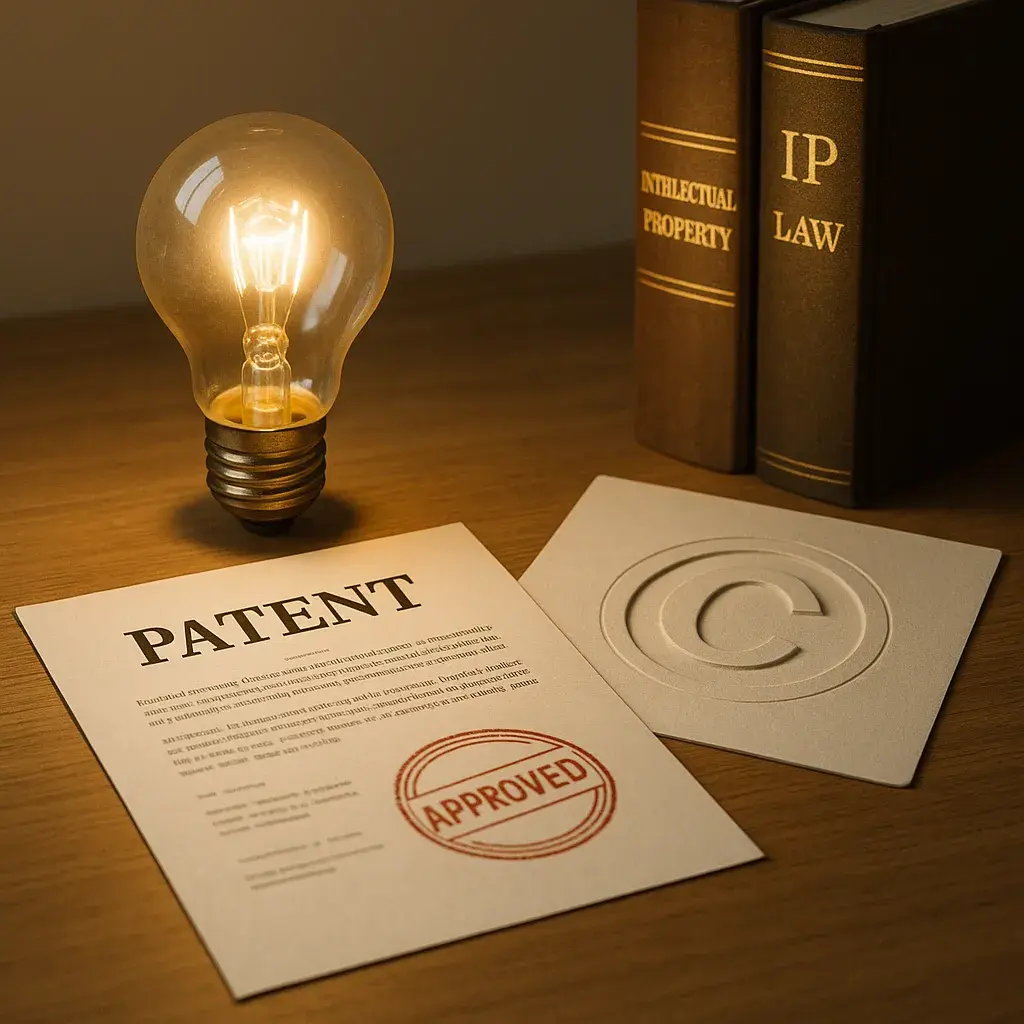
Patent infringement claims operate under a statutory framework that requires proving unauthorized use of protected technology, and understanding the distinction between patent rights and copyright protections is critical for any entity managing intellectual property. While copyright protects original works of authorship such as literary, musical, and artistic creations, patents protect inventions and technological innovations, each governed by separate federal statutes with different standards of proof and remedies. A copyright holder may encounter patent infringement issues when the underlying technology used to create, distribute, or monetize copyrighted content itself infringes a third party's patent. Courts evaluate infringement claims based on the scope of the patent claims, the accused product or process, and whether the defendant's actions fall within the patent's legal boundaries.
Lire la suite