




法律情報

How Federal Court Trial Lawyers Handle Complex Litigation in U.S. Federal Courts
New York Attorney’s Core Strategies for Federal Court Trial Lawyers:• Federal court trial lawyers manage every stage of federal litigation, including investigation, pleadings, discovery, motion practice, trial preparation, and appeals under strict federal procedural rules.• In federal criminal cases, attorneys protect constitutional rights by challenging unlawful evidence, addressing bail and detention issues, and negotiating or preparing for trial against federal prosecutors.• For civil disputes and complex cases, lawyers coordinate discovery, negotiate settlements, and develop trial strategies while preserving the record for potential appeals.Federal court trial lawyers represent clients in the United States District Courts and appellate forums, handling complex litigation that involves federal questions, diversity jurisdiction, or interstate commerce. These attorneys possess specialized expertise in federal procedural rules, constitutional law, and substantive federal statutes. Understanding the role of federal court trial lawyers is essential for parties facing serious criminal charges, civil disputes, or administrative appeals in federal court.
続きを読む

Business Acquisition Lawyer: How to Buy a Business Safely in New York
A business acquisition lawyer helps New York buyers structure the deal, run due diligence, and close without inheriting hidden liabilities. Buying a company in New York can pass the seller's debts, lawsuits, and tax problems straight to you when the deal is built the wrong way. This guide walks through the full acquisition path, shows how asset and stock deals differ, and explains how a business acquisition lawyer helps you allocate legal risk from the letter of intent through post-closing.
続きを読む
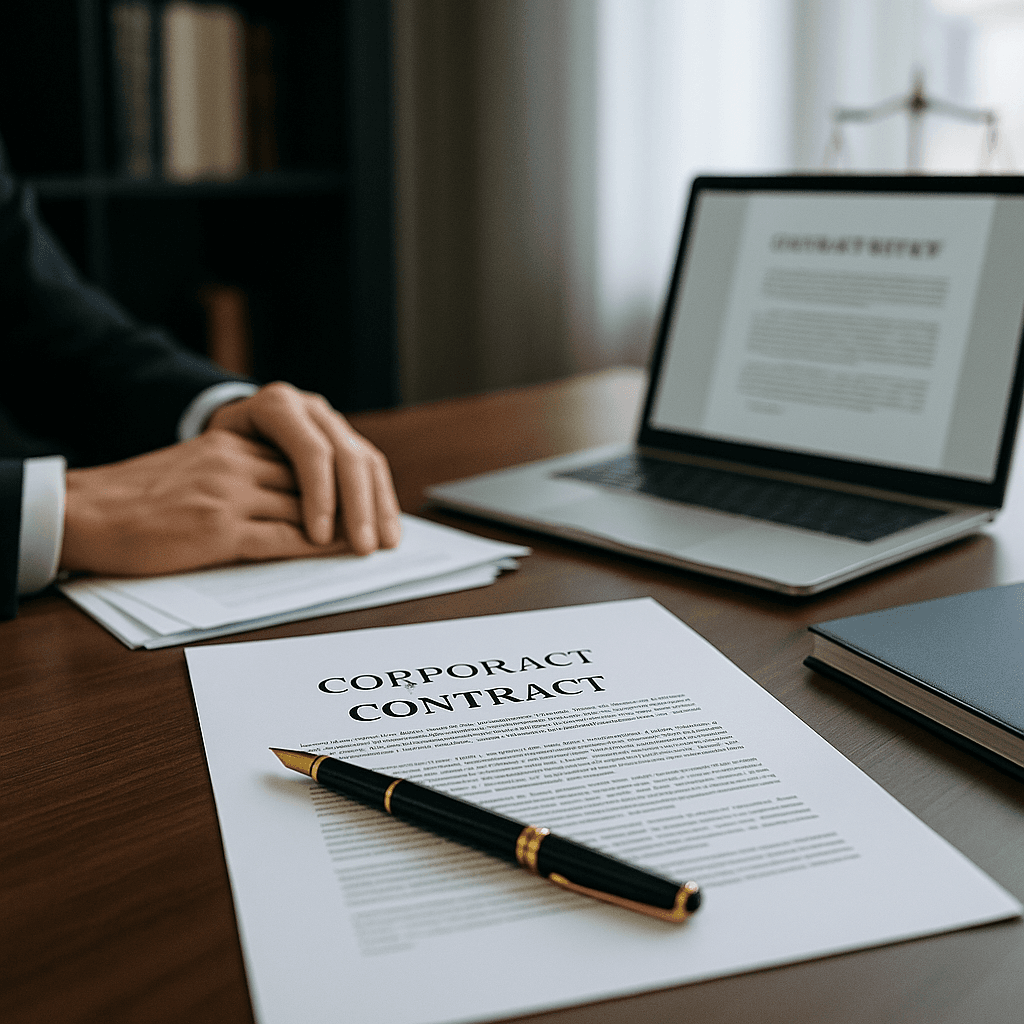
Corporate Dissolution in New York: Legal Steps Businesses Must Follow
New York Attorney Explains Corporate Dissolution Strategies:• Corporate dissolution begins with formal approval from the board of directors and shareholders, ensuring the decision complies with corporate bylaws and New York statutory requirements.• Businesses must liquidate assets, resolve outstanding debts, and notify creditors and stakeholders before any remaining funds can be distributed to shareholders.• Filing a Certificate of Dissolution with the New York Department of State and completing final tax reporting are essential steps to legally terminate the corporation. Corporate dissolution is the formal process of terminating a business entity and winding up its affairs in compliance with New York state law. When a company decides to cease operations, whether due to business closure, bankruptcy, or strategic decisions, the dissolution process must follow specific statutory procedures to protect creditors, shareholders, and employees. Understanding the steps involved in corporate dissolution helps business owners navigate this complex process efficiently and avoid potential legal complications.Dissolution StageKey ActivitiesTimeline ConsiderationPre-Dissolution PlanningBoard approval, shareholder consent, creditor notificationVaries by company sizeAsset LiquidationSell assets, collect receivables, settle liabilitiesSeveral weeks to monthsFiling and ComplianceFile dissolution documents, cancel licenses, close accountsSpecific statutory deadlinesFinal DistributionDistribute remaining assets to shareholders, close entityAfter all obligations satisfiedThe most critical aspect of corporate dissolution is understanding that it requires careful coordination of legal, financial, and administrative tasks. Business owners must obtain proper board and shareholder approval, notify all creditors and stakeholders, liquidate company assets responsibly, and file the appropriate dissolution documents with the New York Department of State. Failure to follow these procedures can result in personal liability for shareholders and officers, continued tax obligations, and regulatory penalties. Engaging experienced legal counsel for corporate dissolution ensures compliance with New York Business Corporation Law and protects all parties involved in the process.
続きを読む

What Is Aggravated Property Damage under New York Law?
Aggravated property damage is not the name of a crime in New York, even though many people search for it expecting one. The term usually surfaces after a serious act of destruction, when someone accused of the conduct, or hurt by it, wants to know how the law treats it. New York files this conduct as criminal mischief under Penal Law Article 145. The charge starts as a misdemeanor and climbs to a felony as the damage becomes more costly or more dangerous. What follows explains why the "aggravated" label sticks, how the state actually classifies the offense, and the point at which a case turns into a felony.
続きを読む

Data Privacy Litigation Leaders: Strategic Advocacy in Complex Data Breach Cases
New York Attorney’s Key Strategies for Data Privacy Litigation Leaders:• Data privacy litigation leaders represent consumers and organizations in cases involving data breaches, privacy violations, and unauthorized access to sensitive personal information.• These attorneys pursue remedies including compensatory damages, injunctive relief, credit monitoring, and corporate governance reforms to strengthen long-term consumer protection.• By combining cybersecurity expertise with litigation strategy, data privacy litigation leaders establish liability, coordinate class actions, and promote stronger industry-wide data protection standards.Data privacy litigation leaders handle complex cases involving unauthorized access to personal information, regulatory violations, and consumer harm. In New York, these specialized attorneys represent plaintiffs in class actions and individual claims arising from data breaches, security failures, and privacy violations. Understanding the role of data privacy litigation leaders is essential for victims seeking compensation and systemic change.Litigation TypeKey Focus AreasRemedies SoughtClass Action Data BreachUnauthorized access, inadequate security, notification failuresCompensatory damages, injunctive relief, monitoring servicesIndividual Privacy ClaimsPersonal data misuse, identity theft, regulatory violationsActual damages, statutory damages, declaratory reliefCorporate Governance ActionsOfficer liability, fiduciary duty breaches, systemic failuresDisgorgement, equitable remedies, policy reformData privacy litigation leaders pursue comprehensive relief that extends beyond monetary compensation to include injunctive remedies requiring companies to implement best-in-class security systems and enhanced monitoring for vulnerable populations. The most effective data privacy litigation leaders combine technical expertise in cybersecurity with deep knowledge of consumer protection statutes, federal privacy laws, and New York General Business Law Section 349. These attorneys understand that successful data privacy litigation demands rigorous investigation, expert analysis of security failures, and strategic positioning of both corporate entities and individual decision-makers as defendants. By holding companies accountable through declaratory relief and injunctive relief, data privacy litigation leaders establish precedents that protect consumers across both domestic and international markets.
続きを読む

Get Immediate Assistance through Wrongful Death Litigation Near Me
Wrongful death claims arise when a person's death results from another party's negligence, recklessness, or intentional conduct, and New York law permits designated survivors to pursue recovery through civil litigation. The claim does not belong to the deceased but rather to a specific class of beneficiaries defined by statute, who must file suit within a defined window or lose the right to proceed. Understanding the procedural framework, the parties who may bring suit, and the types of damages recoverable is essential for families navigating this complex area of law. Courts apply distinct standards when evaluating causation and liability in wrongful death cases, and the burden of proof rests entirely on the plaintiff.
続きを読む
