




法律情報

What Is a False Claims Act Case?
A False Claims Act case involves allegations that a contractor, vendor, or other entity has submitted false or fraudulent claims for payment to the government, triggering potential civil and criminal liability under federal law. For corporations, understanding the False Claims Act framework is critical because exposure extends beyond a single lawsuit. The Act creates both civil penalties and qui tam provisions that allow private parties to sue on behalf of the government, multiplying litigation risk. Compliance failures in billing, reporting, or contract performance can expose a company to treble damages, attorney fees, and criminal prosecution, depending on the facts and intent.
続きを読む

Verified Petition: What Courts Require and Where Filings Fail
A verified petition commits you to sworn facts under penalty of perjury; know New York's requirements before you file. In New York courts, a verified petition is more than a procedural formality. It transforms your sworn allegations into evidence subject to cross-examination. Filing a verified petition without understanding CPLR requirements, jurisdictional standards, and common defects can result in dismissal or undermine your credibility at trial.
続きを読む

Criminal Tax Investigation Procedure
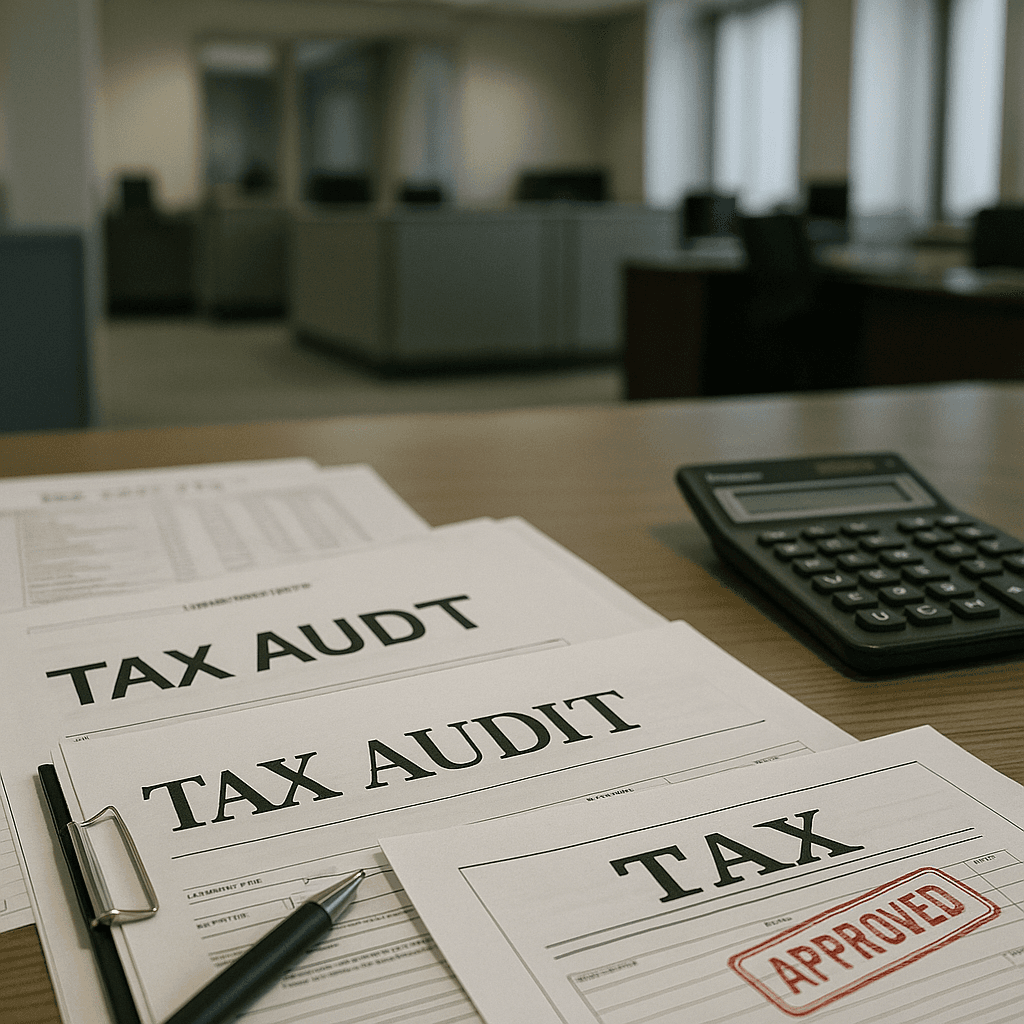
Tax-related criminal investigations in Washington D.C. .re governed by both stringent federal tax law and specialized local enforcement practices. This essential guide outlines what constitutes a criminal tax investigation, who conducts it, how the multi-phased process unfolds, and the critical legal implications for individuals and businesses under scrutiny. Understanding these procedures is vital for anyone facing potential criminal tax exposure in the nation's capital.
続きを読む
Capital Markets Violations
Understanding capital markets violations is essential for those operating in securities and investment sectors within Washington D.C. This article outlines what constitutes a capital markets violation, the typical types, penalty standards, and strategic approaches to legal defense. Effective adherence to complex regulations is the best way to prevent facing severe consequences related to a capital markets violation.
続きを読む

What Defines Energy Litigation and When Does It Require Specialized Counsel?
Energy litigation encompasses disputes involving power generation, transmission, distribution, environmental compliance, and contractual performance across renewable and conventional energy sectors. These disputes often involve complex regulatory frameworks, multi-jurisdictional claims, and significant operational or financial consequences for corporate parties. The intersection of federal energy law, state utility regulation, and environmental statutes creates procedural and substantive challenges that differ markedly from general commercial litigation. Understanding the scope and structure of energy disputes helps corporations evaluate legal risk early and determine when specialized counsel becomes necessary.
続きを読む

How the Administrative Appeal Process Works: a Complete Guide
When a government agency issues an unfavorable decision, you have the right to challenge it through the administrative appeal process. This guide walks through every stage: from filing the initial notice of appeal to presenting your case before an ALJ, with attention to deadlines, evidence standards, and what happens at each step. Knowing the terrain before you file puts you in a better position at every stage of review.
続きを読む
