法律情報

Protecting Your Rights under NYC Roommate Law and Commercial Lease Law
3 key insights on Shared Housing and Leasing from a New York Lawyer:Primary Tenant: Liable for full rent and lease violationsHousing Court: Jurisdiction over residential eviction in each boroughSecurity Deposit: Must be returned within thirty days of lease end Establishing clear housing agreements under NYC roommate law ensures that all occupants understand their financial duties and eviction protections. These residential arrangements often overlap with principles found in commercial lease law when determining occupancy status and remedies for payment defaults. Effective documentation prevents misunderstandings between primary tenants and licensees in New York City. By applying rigorous contract interpretation and maintaining detailed records, you can safeguard your interests in Housing Court or during complex financial disputes.
続きを読む

Manhattan Traffic Ticket Lawyers and How to Handle a Traffic Accident Lawsuit
Manhattan traffic ticket lawyers’ core strategies for handling a traffic accident lawsuit:• A traffic ticket issued after an accident can be used as evidence in a civil lawsuit, making early defense critical to limit liability.• Coordinated legal strategy across traffic court and civil court helps reduce financial exposure and protects your driving record.• Gathering strong evidence and challenging fault determinations can weaken negligence claims and improve settlement or trial outcomes. If you have been involved in a traffic accident in Manhattan and are facing both a traffic ticket and potential civil liability, understanding your legal options is essential. Manhattan traffic ticket lawyers can help you navigate the intersection of criminal traffic violations and civil lawsuits. This guide explains how traffic tickets relate to accident lawsuits, your rights, and the strategies available to protect your interests in New York.
続きを読む
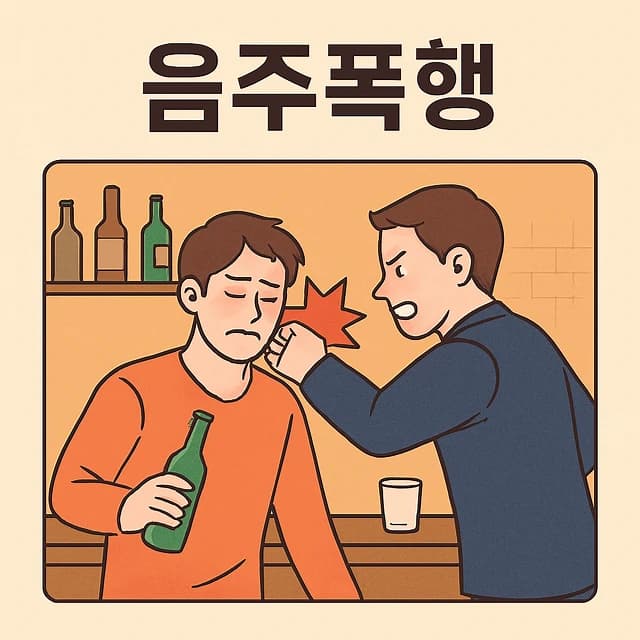
How NYC Meal and Rest Break Laws Protect against Workplace Bullying
Three Key Meal and Rest Break Points From a Lawyer and NYC Attorney: Employer retaliation is illegal, wage deductions require written consent, and violations carry penalties up to $15,000.Meal and rest break protections under New York labor law exist primarily to safeguard worker health and dignity, but they also function as a shield against workplace retaliation and coercive management practices. When an employer denies breaks or punishes an employee for taking legally protected time, that conduct often crosses into bullying territory. Understanding how these protections work helps you recognize when your rights are being violated and when legal counsel becomes necessary.
続きを読む

Preserving Market Integrity through a Trademark Cease and Desist Letter
A trademark cease-and-desist letter is a formal written demand sent by a trademark owner or their attorney to another party to stop using a mark that allegedly infringes on registered or common law trademark rights. This letter serves as an official notice of infringement and often precedes litigation if the recipient does not comply. Understanding how to draft, send, and respond to a trademark cease-and-desist letter is essential for protecting intellectual property rights in New York and throughout the United States. ElementPurposeKey ConsiderationDemand LetterFormal notice of infringementMust clearly identify the trademark and infringing useEvidence of OwnershipEstablish valid trademark rightsInclude registration certificates or proof of useSpecific DeadlineCreate urgency for complianceTypically 10 to 30 days to cease useLegal ConsequencesWarn of potential litigationReference damages, injunctive relief, and attorney fees The primary goal of sending a trademark cease-and-desist letter is to resolve the infringement issue without litigation, though it also establishes a clear record of notice that strengthens your legal position if you must proceed to court. A well-drafted trademark cease-and-desist letter demonstrates that you have taken reasonable steps to protect your rights before pursuing formal legal action. Responding appropriately to such a letter is equally important, as ignoring it or responding carelessly can expose you to significant liability. Whether you are the sender or recipient, understanding the legal framework and best practices surrounding these letters is critical to protecting your brand and avoiding costly disputes.
続きを読む

Legal Rights and Court Procedures Regarding Coerced Divorce Issues in New York
Three Key Coerced Divorce Points from a New York Attorney: Duress invalidates consent, court scrutiny is heightened, and remedy includes annulment or reversal.Coerced divorce occurs when one spouse uses threats, violence, or economic pressure to force the other into dissolution. New York courts treat such cases seriously because divorce, like all binding legal acts, requires genuine voluntary consent. If you believe your divorce was obtained under duress or threat, understanding your legal options and the evidence courts require becomes essential to protecting your rights.
続きを読む

Customs Consultation
Exporting goods to the United States through New York requires careful preparation and an in-depth understanding of U.S. .rade laws. Customs consultation in New York is more than just a legal requirement; it's a strategic investment that helps companies comply with complex regulations, anticipate tariff changes, and avoid costly mistakes. The Port of New York and New Jersey is a critical entry point for international trade, where U.S. Customs and Border Protection (CBP) strictly enforces a wide range of rules and policies. For exporters, every decision regarding tariffs, product classification, and country of origin can have a significant impact on costs, market access, and overall business viability. Therefore, expert consultation provides not only a vital legal safeguard but also a crucial tool for ensuring stable and profitable operations in a competitive market.
続きを読む