法律情報

Grounds for Divorce and Legal Standards
Three Key Divorce Grounds Points from a New York Attorney: Fault vs. .o-fault distinction, six-month waiting period, adultery or abandonment claims.Divorce law in New York has evolved significantly over the past two decades. The state recognizes both fault-based and no-fault grounds for dissolution of marriage, each carrying different procedural timelines and strategic implications. Understanding which ground applies to your situation is essential for planning discovery, settlement negotiations, and court proceedings. This article examines the legal standards New York courts apply when evaluating grounds for divorce and explains how these distinctions affect your case.
続きを読む

What Processing Gaps Invalidate Data Protection Compliance?
Data protection compliance is a procedural and operational obligation that corporations must establish and maintain to satisfy federal, state, and sectoral privacy laws.The legal landscape requires organizations to implement documented safeguards, respond to regulatory inquiries, and address data subject rights within defined timeframes. Compliance failures expose corporations to enforcement action, civil liability, and reputational damage. This article addresses the procedural framework that corporations must establish to demonstrate compliance to regulators, courts, and affected individuals.
続きを読む

Crypto Business: How to Stay Compliant and Protect Your Assets
Crypto business in New York requires navigating BitLicense, SEC token rules, IRS obligations, and AML requirements. Running a crypto business in New York is genuinely complex, and in my experience, even well-prepared clients are often surprised by how quickly overlapping federal and state rules create gaps in their compliance strategy. New York's BitLicense alone can make or break your operations, but that is only the beginning. From SEC asset classification to IRS property treatment and OFAC sanctions exposure, every layer of your crypto business demands attention before problems arise, not after.
続きを読む

Class Action Defense Depends on Procedure and Core Strategy
Class action defense involves understanding how individual claims can be aggregated into a single lawsuit and what legal protections and procedural hurdles apply when a defendant faces claims from multiple plaintiffs simultaneously. Unlike traditional litigation where one plaintiff sues one defendant, a class action consolidates claims from many individuals into a unified proceeding, governed by Federal Rule of Civil Procedure 23 and its state equivalents. The procedural architecture of class actions creates distinct strategic moments: certification decisions, settlement approval hearings, and appeals that can affect thousands of claimants at once. As counsel, I often advise clients that early recognition of class action exposure and the legal standards that trigger certification can shape both liability exposure and defense strategy from the outset.
続きを読む

3 Criminal Trial Process Facts from a Defense Attorney in New York
3 Bottom-Line Points on Criminal Trial Process from Counsel: Pretrial discovery obligations, burden of proof standards, courtroom procedureAs a defendant facing criminal charges in New York, understanding how the criminal trial process unfolds is essential to evaluating your position and preparing an effective defense strategy. The criminal trial process in New York involves distinct phases, each with its own procedural requirements, strategic opportunities, and potential pitfalls. This article examines the key stages a criminal defense attorney in New York must navigate, the evidentiary standards prosecutors must meet, and the procedural protections available to defendants.
続きを読む
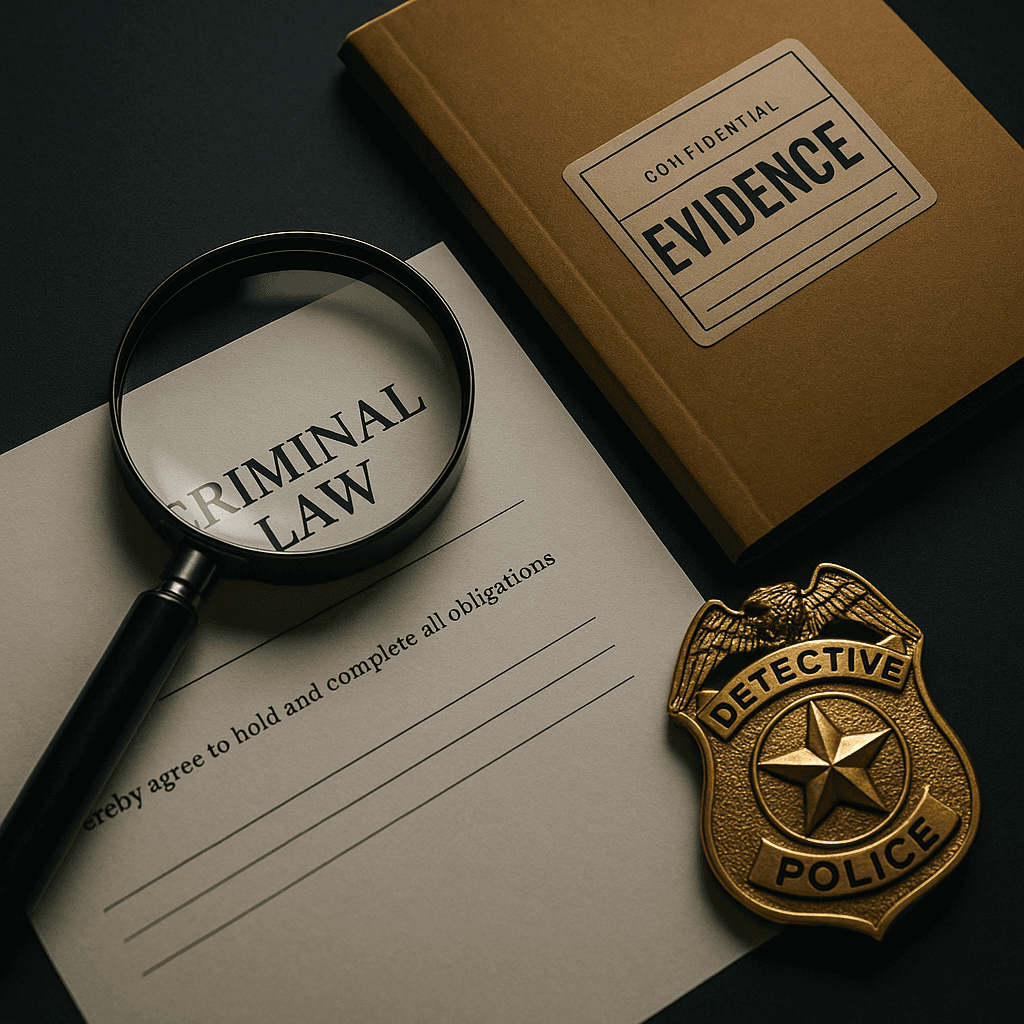
How Hpd Lawyers NYC Secure Your Property Possession Rights
Strategic Pillars for New York Housing Compliance:Regulatory Enforcement: The Housing Preservation Department (HPD) enforces the Housing Maintenance Code, which directly affects property possession claims.Procedural Precision: Legal actions for possession must strictly follow the Real Property Actions and Proceedings Law (RPAPL) regarding notice and filing deadlines.Habitability Defense: Tenants can challenge possession actions if a landlord fails to maintain HPD standards, such as heat, hot water, or structural integrity. Experienced hpd lawyers NYC are essential for navigating the complex intersection of housing code enforcement and property possession disputes. In New York City, a landlord's right to recover a unit often depends on their compliance with HPD regulations, as outstanding violations can serve as a potent defense against eviction. Whether addressing unlawful detainer actions or lease violations, professional legal counsel ensures that all statutory notices are valid and that litigation proceeds according to the specialized rules of the NYC Housing Court system.
続きを読む