法律情報

How Does an Uncontested Divorce Case Proceed in New York?
An uncontested divorce case is a civil proceeding in which both spouses agree on all material terms, including property division, custody, support, and grounds for dissolution. The core requirement is full marital settlement agreement execution and sworn verification before filing; courts will not process uncontested divorces without this foundational document. What typically determines speed and enforceability is whether both parties have disclosed assets completely, signed the agreement without duress, and filed all supporting affidavits on time. This article examines the procedural requirements, filing steps, and strategic considerations that govern uncontested divorce practice in New York.
続きを読む

Legal Standards for Determining Liability in Wrongful Death Case
A wrongful death case seeks to hold a defendant accountable for conduct that caused someone's death and to recover damages on behalf of the deceased's estate and surviving family members.Liability hinges on proving that the defendant owed a duty to the deceased, breached that duty, and that breach directly caused the death. Wrongful death claims require establishing four essential elements: duty, breach, causation, and damages. This article examines how to build each element and navigate the procedural and evidentiary challenges that arise in wrongful death litigation.
続きを読む

How to Maintain F1 Visa Status Throughout Your Studies
Learn how to maintain F1 visa status by meeting enrollment requirements, following SEVIS rules, understanding CPT and OPT, and avoiding common status violations. Maintaining F1 visa status requires more than receiving visa approval. Students must continue meeting enrollment requirements, comply with SEVIS reporting obligations, and follow employment restrictions throughout their studies. Maintaining F1 visa status also means understanding how changes in academic programs, transfers, or authorized practical training may affect immigration compliance. From my experience, students who understand these responsibilities early are better prepared to avoid preventable status issues while studying in the United States.
続きを読む

Types of Inheritance and Inheritance Rights in NYC
Inheritance refers to the legal transfer of a deceased person's property and assets to their heirs or beneficiaries under applicable state law. The method and scope of inheritance depend on whether the deceased left a valid will, the jurisdiction's intestacy laws, and the nature of the assets involved. Understanding these distinctions matters because they affect which heirs receive property, the timing of distribution, potential tax consequences, and whether creditors may have claims against the estate. This article examines the primary categories of inheritance, how each operates under law, and what heirs should consider when evaluating their position.
続きを読む
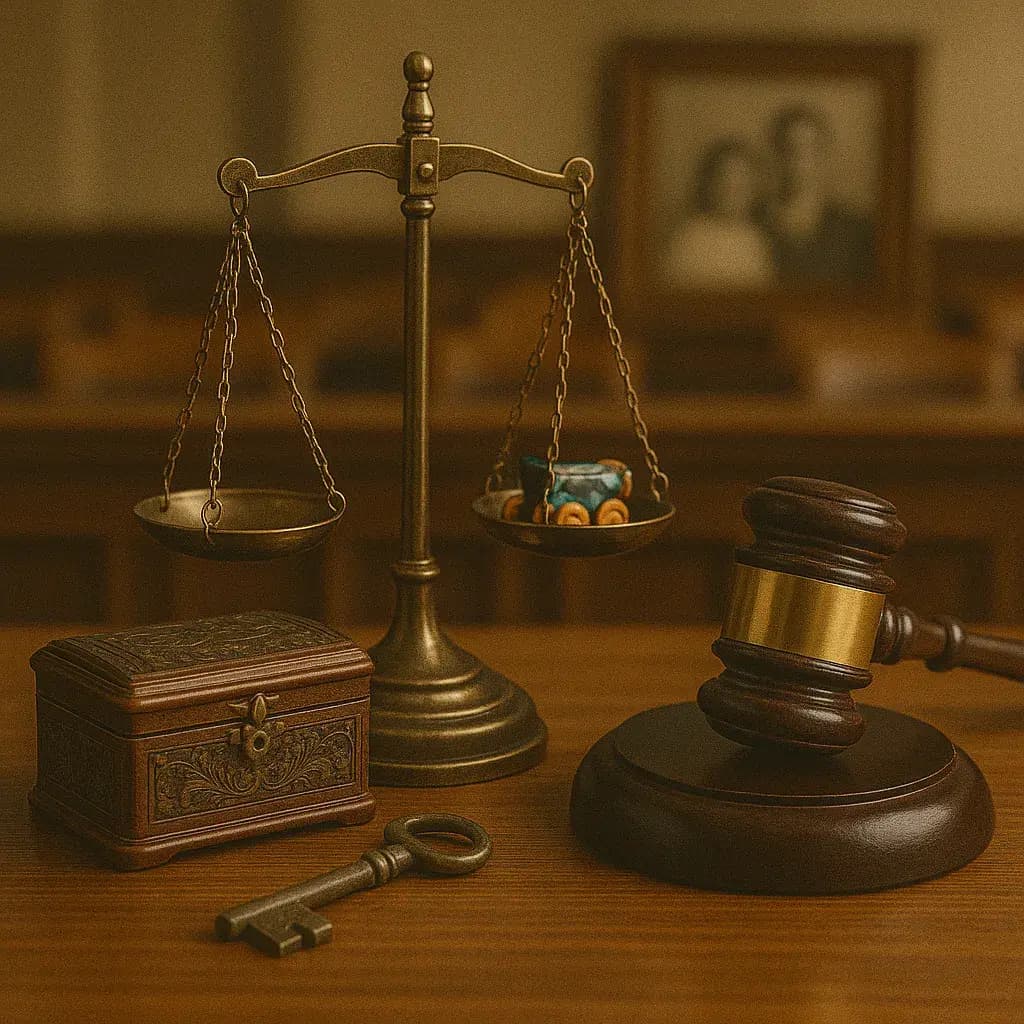
International Contract Breach Damages Litigation Attorney in Manhattan
An international contract breach damages litigation attorney in Manhattan can assess damages, interest, enforcement, and recovery options. Contract exposure can exceed an unpaid balance when consequential loss, interest, or enforcement enters the dispute. Early review may also reveal asset, award, insurance, and compliance issues that affect strategy.
続きを読む

Defend Cross Border IP Claims with Manhattan Patent Dispute Lawyer
Global technology patent dispute attorney in Manhattan services protect corporate IP assets, navigate USPTO proceedings, and manage global claims. When technology companies face complex multi-jurisdictional litigation, coordinated legal action is essential. Skilled legal representation aligns USPTO inter partes review proceedings with foreign enforcement actions, secures freedom-to-operate clearance, and resolves licensing disputes to preserve enterprise growth.
続きを読む