法律情報

Car Accident Laws, Liability, Compensation, and Legal Procedures
Car accident cases involve liability, comparative negligence, insurance coverage, compensation, and legal procedures. Understand the legal framework. A car accident can involve liability disputes, comparative negligence, insurance coverage, compensation claims, and legal procedures. Understanding car accident laws helps determine fault, protect legal rights, and evaluate available remedies after a collision. Whether a car accident involves multiple parties, property damage, or personal injury, applying the correct legal principles is essential for resolving liability and compensation issues.
続きを読む

Business Acquisition Process, Due Diligence, and Closing Strategies
Business acquisition transactions involve due diligence, deal structure, financing, and closing requirements under New York law. Understand the key process and legal considerations. A business acquisition begins with selecting the appropriate transaction structure and completing thorough due diligence. A successful business acquisition also depends on financing, regulatory compliance, and carefully negotiated purchase terms. Throughout a business acquisition, proper documentation, closing procedures, and post-closing obligations help reduce legal and commercial risk.
続きを読む

How Do Private Equity Lawsuits Affect Investor Returns?
Private equity disputes often turn on whether fund managers breached fiduciary duties, misrepresented fund performance, or failed to disclose material conflicts of interest. As an investor in private equity funds, you face distinct legal risks that differ from public market investments, including limited liquidity, reliance on manager disclosures, and complex fund structures that can obscure conflicts. Understanding the framework for identifying potential claims and the procedural pathways available under New York law and federal securities regulations can help you evaluate whether your interests have been compromised. Early documentation and legal review of fund agreements, offering materials, and manager communications are often critical to preserving claims and establishing a factual record.
続きを読む

What Should Campaign Finance Petitioners Know about Disclosure Requirements and Legal Risk?
Campaign finance law imposes strict disclosure obligations on petitioners and committees, with civil and criminal enforcement pathways running in parallel and creating distinct compliance and litigation risks. Federal and New York State campaign finance statutes require detailed reporting of contributions, expenditures, and in-kind support, often with tight filing deadlines and public accessibility requirements. Violations can trigger administrative investigations by the Federal Election Commission or New York State Board of Elections, separate from potential criminal prosecution. Understanding the structural separation between these tracks, the burden of proof standards, and the types of records regulators scrutinize is essential for petitioners evaluating their exposure and preparing defensible documentation early.
続きを読む

Dissect the Criminal Complaint Form with a Law Firm New York
Three Key Criminal Complaint Form Points From a Lawyer New York Attorney: Filed with district attorney, triggers arraignment within 72 hours, requires probable cause standard A criminal complaint form is the charging document that initiates prosecution in New York. Understanding how this form works, what triggers its filing, and how to defend against it is critical for anyone facing criminal charges in New York. As counsel, I work with clients from the moment a complaint is filed to challenge its legal sufficiency and protect their rights during the early stages of prosecution.
続きを読む
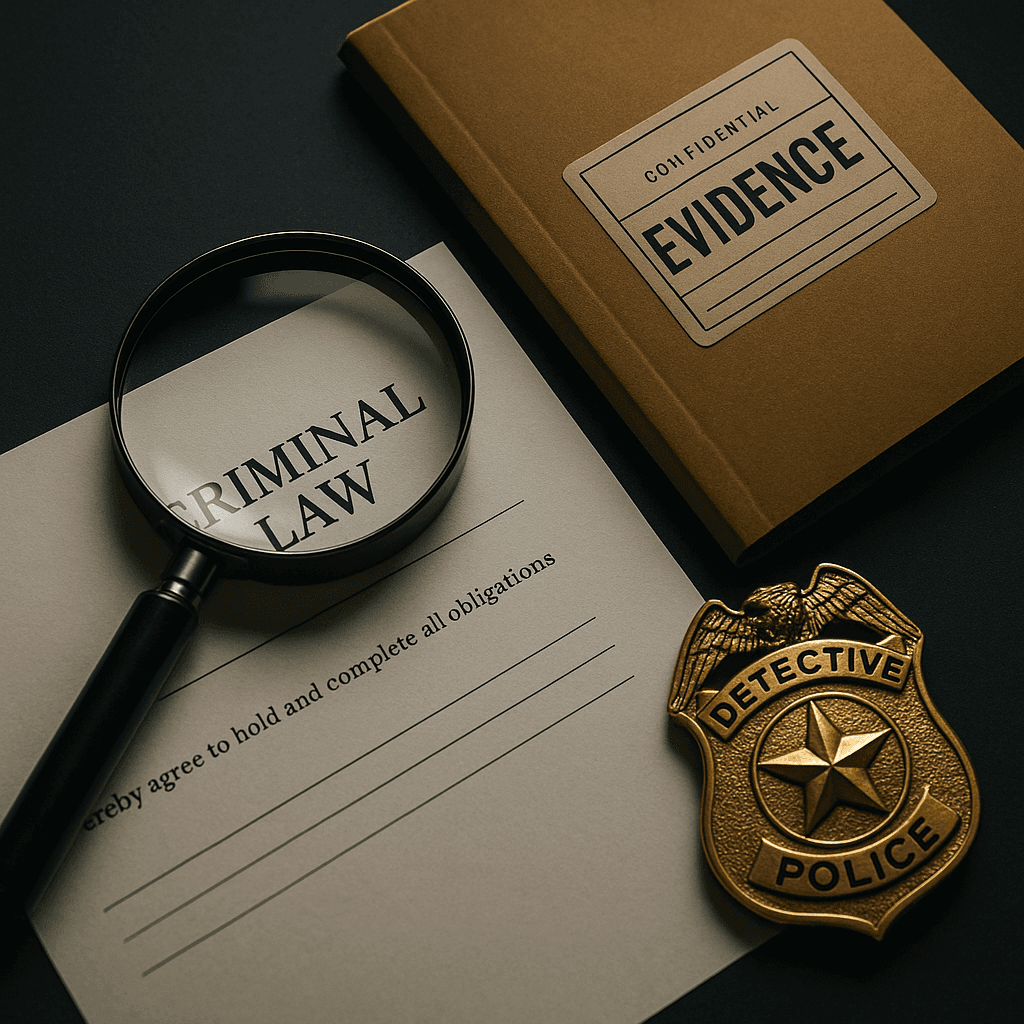
Trade Secret Misappropriation and Legal Defense Strategies
Three Key Trade Secret Misappropriation Points From Lawyer Attorney: Uniform Trade Secrets Act (UTSA) governs protection, injunctive relief available, damages include profits and attorney fees.Trade secret misappropriation occurs when a competitor or former employee improperly acquires, uses, or discloses confidential business information that derives independent economic value from not being generally known. The harm can be swift and irreversible. Understanding your legal options, the burden of proof, and the strategic decisions available early in a dispute can mean the difference between recovering damages and losing competitive advantage. This guide examines the legal framework, common vulnerabilities, and how courts evaluate misappropriation claims in practice.
続きを読む