
CONTENTS
- 1. Rights Offering to Existing Shareholders | Explanation of the Concept

- - A Case of a Control Dispute Following the Death of a Controlling Shareholder
- 2. Rights Offering to Existing Shareholders | The Lawfulness of the Inherited Shares, the Transfer of Title, and the Rights Offering to Existing Shareholders
- - Issue (1): Whether a Notice of the General Meeting of Shareholders Need Not Be Given Where an Heir Has Not Effected a Transfer of Title
- - Issue (2): Whether a Request for a Sole Transfer of Title Is Possible Where the Inherited Shares Are in a State of Quasi-Co-Ownership
- - Issue (3): Whether a Rights Offering to Existing Shareholders Carried Out in a Situation of a Control Dispute Is Unlawful
- 3. Rights Offering to Existing Shareholders | The Refusal of the Transfer of Title and the Rights Offering to Existing Shareholders Were Lawful
- - The Meaning of the Transfer of Title and Quasi-Co-Ownership
- 4. Rights Offering to Existing Shareholders | Response Strategy Following the Death of a Controlling Shareholder
- - Integrated Response to Inheritance, Management Control, and the Rights Offering to Existing Shareholders

1. Rights Offering to Existing Shareholders | Explanation of the Concept
A rights offering to existing shareholders refers to a paid-in capital increase in which a company, in issuing new shares, grants existing shareholders a priority opportunity to subscribe for the new shares in proportion to their respective shareholdings.
Because it is a structure that minimizes the dilution of existing shareholders' holdings, maintains the principle of equal treatment of shareholders, and enables the raising of funds, it is a method whose lawfulness is relatively easy to recognize even in situations of a control dispute.
However, where the issue price is markedly unfair or the method is in substance misused as a means to strengthen the control of a particular faction, grounds for nullity or revocation may be at issue.
 A Case of a Control Dispute Following the Death of a Controlling Shareholder
In this case, inheritance commenced when the controlling shareholder who held a majority of the shares died.
The heirs obtained an adjudication on the division of inherited property under which the inherited shares were held in quasi-co-ownership, and the heir holding the largest share among them (the creditor) requested a transfer of title on the premise that he solely owned the shares corresponding to his statutory inheritance share.
However, the company did not respond to that request for a transfer of title, and it held a general meeting of shareholders to appoint a new director and then resolved on a rights offering to existing shareholders.
In response, the creditor, while filing an injunction to suspend the performance of the director's duties and an injunction to prohibit the issuance of new shares, argued that (1) because the transfer of title had been improperly refused, the current directors were not lawful directors; (2) the resolution on the rights offering to existing shareholders made by those directors was therefore also unlawful; and (3) the issuance of new shares was a markedly unfair issuance intended to defend management control.
In a control dispute, such measures carry great strategic significance because they have an immediate effect on the company's management by suspending a director's status or halting the issuance of new shares.
2. Rights Offering to Existing Shareholders | The Lawfulness of the Inherited Shares, the Transfer of Title, and the Rights Offering to Existing Shareholders
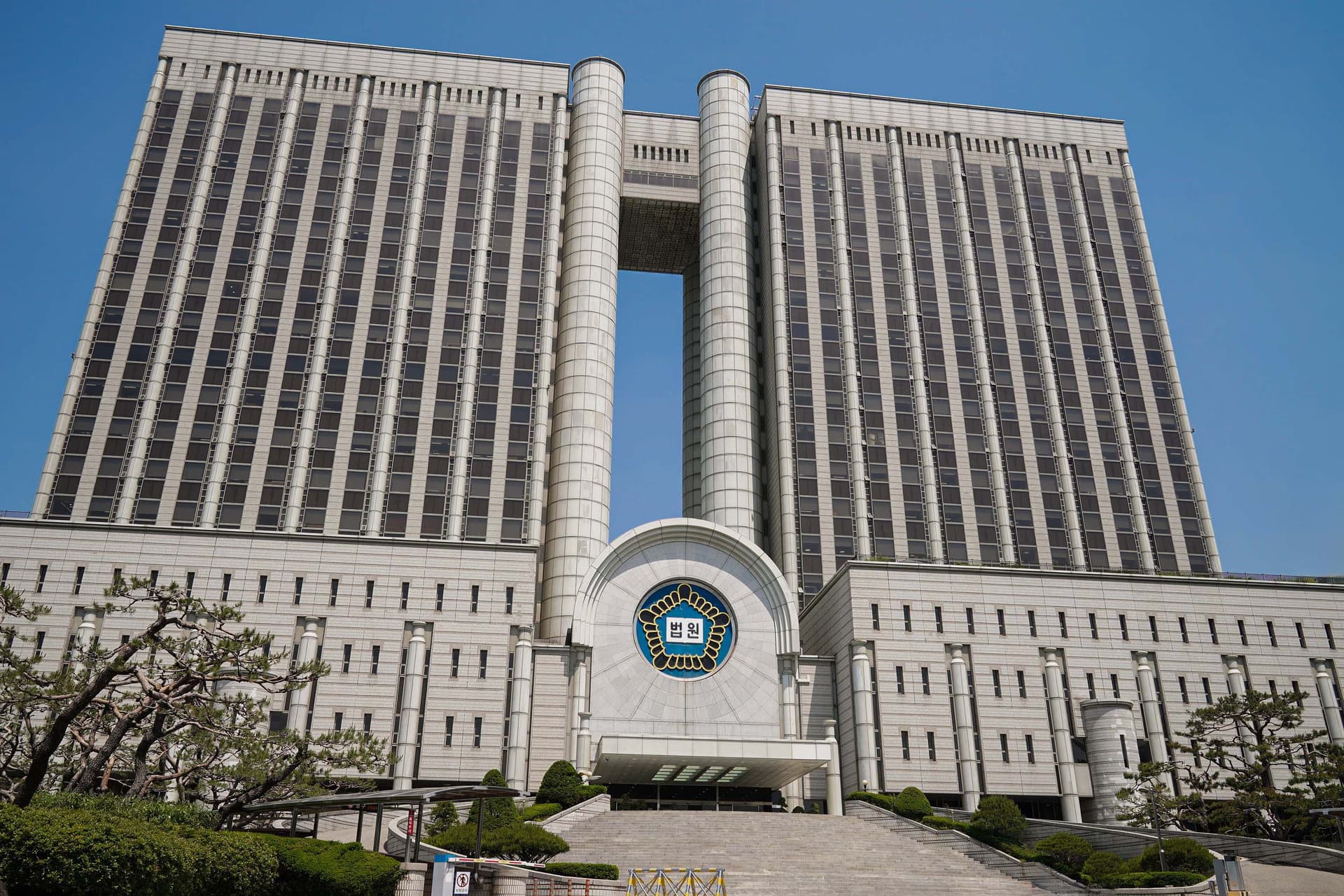
The issues identified in this case were as follows.
Issue (1): Whether a Notice of the General Meeting of Shareholders Need Not Be Given Where an Heir Has Not Effected a Transfer of Title
The company argued that no procedural defect arises from the fact that it did not give notice convening the general meeting of shareholders, given that the heir was not entered in the register of shareholders.
The key point was that, in light of the Supreme Court precedent that places weight on the formal entry in the register of shareholders, an heir who has not effected a transfer of title can hardly be regarded as the holder of shareholder rights in relation to the company.


Issue (2): Whether a Request for a Sole Transfer of Title Is Possible Where the Inherited Shares Are in a State of Quasi-Co-Ownership
The adjudication on the division of inherited property was decided in a structure under which the inherited shares were held in quasi-co-ownership.
Nonetheless, the creditor requested a transfer of title on the premise that he solely owned the shares corresponding to his statutory inheritance share.
In response, the company argued that a request for a transfer of title premised on sole ownership in a state of quasi-co-ownership is improper, and that even if it were construed favorably as a request for a transfer of title of a co-ownership interest, a transfer of title cannot be requested on the intention of only some co-owners unless the intentions of all of the co-owners are aligned
Issue (3): Whether a Rights Offering to Existing Shareholders Carried Out in a Situation of a Control Dispute Is Unlawful
The creditor argued that the issuance of new shares in this case was intended to strengthen the control of the representative director's side and that its terms were markedly unfair.
The company, however, countered that the issuance was based on a need to raise funds, that it was a rights offering to existing shareholders rather than an allotment to a third party, and that it was not a structure that infringed the principle of equal treatment of shareholders.
3. Rights Offering to Existing Shareholders | The Refusal of the Transfer of Title and the Rights Offering to Existing Shareholders Were Lawful
The court determined as follows.
(2) Accordingly, the creditor's argument that the current directors are not lawful is without merit.
(3) It is difficult to conclude that the rights offering to existing shareholders in this case was carried out by a markedly unfair method.
In the end, the creditor's applications for provisional injunctions were all dismissed.
This decision set straight the following standards.
- Even where shares have been acquired through inheritance, in relation to the company a transfer of title must come first before shareholder rights can be exercised
- A request for a transfer of title premised on sole ownership in a state of quasi-co-ownership is not lawful
- A request for a transfer of title of a co-owned interest cannot be made on the intention of only some co-owners
- Even a rights offering to existing shareholders carried out in a situation of a control dispute is not unlawful where a need to raise funds and procedural lawfulness are recognized
The Meaning of the Transfer of Title and Quasi-Co-Ownership
A transfer of title refers to the procedure of entering in the company's register of shareholders the fact that the owner of shares has changed.
Even where shares have been acquired through inheritance, sale, or gift, the principle is that shareholder rights can be exercised in relation to the company only once the holder is entered in the register of shareholders.
Accordingly, where a transfer of title has not been effected, the exercise of voting rights at the general meeting of shareholders, the claim for dividends, and the assertion of rights relating to the appointment of directors, among others, may be restricted.
In this case as well, the central issue was that an heir applied for provisional injunctions on the premise of shareholder rights while a transfer of title had not been effected.
In addition, quasi-co-ownership refers to the state in which, as a result of inheritance, several heirs jointly own a single block of shares.
When a controlling shareholder dies, the shares he held belong, in principle, to the quasi-co-ownership of the heirs.
In this case, an individual heir does not solely own particular shares; rather, a state of joint ownership in proportion to the respective interests is formed.
In a state of quasi-co-ownership, it is difficult for some of the heirs to exercise rights over the entire block of shares on their own, the intentions of all of the co-owners carry important meaning, and a request for a transfer of title premised on sole ownership may be at issue.
4. Rights Offering to Existing Shareholders | Response Strategy Following the Death of a Controlling Shareholder
Category | Key Practical Point |
Inherited shares | In principle, a quasi-co-ownership structure is formed |
Exercise of shareholder rights | A transfer of title must come first |
Co-ownership interest | A sole request by some co-owners is restricted |
Issuance of new shares | A rights-offering method can be used as a means of defending management control |
Where the inheritance, reserved-portion, and property-division procedures following the death of a controlling shareholder are approached as a family-law matter, it is easy to overlook corporate-law risks such as the rights offering to existing shareholders, the appointment of directors, and the strategy for defending management control.
Integrated Response to Inheritance, Management Control, and the Rights Offering to Existing Shareholders
Through the collaboration of legal professionals, including attorneys handling corporate matters and attorneys handling inheritance matters, Daeryun Law Firm LLP designs, in an integrated manner, the division of inherited property and reserved-portion disputes that arise following the death of a controlling shareholder together with the appointment of directors, the rights offering to existing shareholders, and the strategy for defending management control.
In addition, by providing a consistent response from the stage of a transfer-of-title dispute through to the handling of provisional injunctions, the review of the lawfulness of the new-share-issuance procedure, and the strategy for operating the general meeting of shareholders, it can guard against a vacuum in management control and governance risks.
The point at which inheritance and management control are shaken at the same time is the critical early stage for response.
If you are facing a similar situation, it is important to obtain the assistance of professionals from the strategy-formulation stage.
See More