



1. DUI Breathalyzer Refusal Washington, D.C. – Incident Overview
Police responded to a report from a local taxi driver who observed what appeared to be erratic driving behavior.
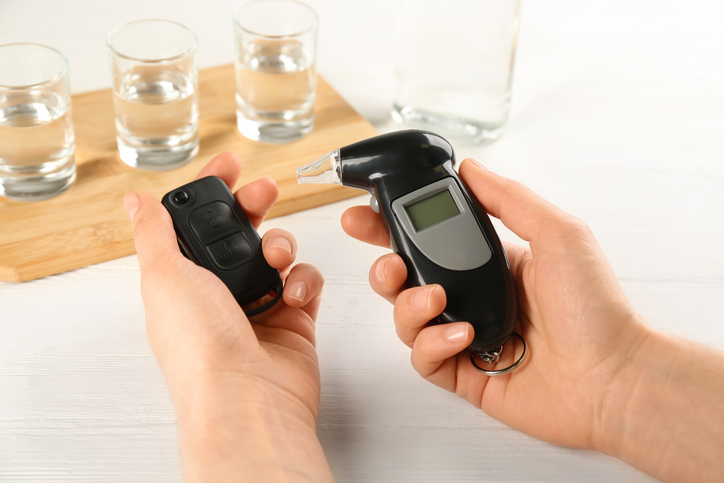
When officers attempted to administer a roadside chemical breath test, the client declined to comply, triggering a formal dui breathalyzer refusal allegation.
Recognizing the seriousness of the situation, the client and their family reached out to our firm for immediate representation.
Traffic Stop and Refusal Circumstances
Police officers noted signs consistent with potential intoxication before requesting a breath test.
Our attorneys promptly advised the client regarding the implications of refusal and began preparing a defense strategy.
We ensured that police reports were carefully reviewed to identify procedural weaknesses and potential overreach.
Early intervention positioned us to guide the case toward mitigation rather than escalation.
How the Client Reached Out for Counsel
Following release from the initial police encounter, the client contacted our office expressing significant fear about the consequences.
A refusal charge in Washington, D.C. .arries mandatory administrative penalties and often leads prosecutors to request jail time.
Our team conducted an immediate case review, gathered factual details, and set up a plan for early mitigation.
The client expressed genuine remorse and demonstrated full willingness to cooperate with all legal guidance.
This allowed us to begin preparing materials that would later play a key role during sentencing.
2. DUI Breathalyzer Refusal Washington, D.C. – Legal Exposure and Statutory Penalties
Washington, D.C. .aw imposes strict obligations on drivers suspected of impaired driving, including compliance with chemical testing.
A dui breathalyzer refusal Washington, D.C. – Legal Exposure and Statutory Penalties analysis shows that refusal can result in penalties equal to or more severe than DUI itself.
Our client faced the prospect of incarceration because of both the refusal and prior alcohol-related history.
Statutory Consequences Explained
The statutory consequences for dui breathalyzer refusal include mandatory license revocation, enhanced fines, and potential jail sentences.
Refusal also allows prosecutors to argue that the driver attempted to avoid producing incriminating evidence.
This often leads courts to view refusal as an aggravating factor, not a neutral act.
For individuals with prior offenses, these consequences can increase sharply.
Our attorneys thoroughly explained these risks to the client and crafted a plan to counterbalance them.
Impact of Prior Conduct on Sentencing
Because the client had a previous alcohol-related incident, the government signaled its intent to seek a stronger penalty.
A history of prior conduct significantly elevates exposure in dui breathalyzer refusal cases.
Our defense team responded by emphasizing the time lapse since the client’s earlier incident.
We also highlighted their steady employment and parental responsibilities.
This information was essential in building a compelling case for leniency.
3. DUI Breathalyzer Refusal Washington, D.C. – Defense Strategy and Mitigation Work
A DUI breathalyzer refusal Washington, D.C. – Defense Strategy and Mitigation Work section highlights the core of our representation.
Our attorneys organized a multi-lawyer team with extensive experience in DUI refusal cases to ensure comprehensive preparation.
We aimed to demonstrate rehabilitation, accountability, and strong personal circumstances.
Demonstrating Responsibility and Remorse
After consulting with our attorneys, the client acknowledged the conduct and expressed sincere remorse.
We advised the client to prepare a written apology addressing the seriousness of the dui breathalyzer refusal.
This document became part of our sentencing submission.
Courts in Washington, D.C. .onsistently consider acceptance of responsibility as a meaningful mitigating factor.
Our approach helped position the client as someone committed to reform rather than avoidance.
Documenting Positive Personal Factors
Our team compiled documentation reflecting the client’s role as a single parent caring for two children.
We included employment verification, letters of support, and evidence of financial responsibility.
These materials counterbalanced the negative aspects of the dui breathalyzer refusal allegation.
They also established that incarceration would harm innocent dependents disproportionately.
These arguments resonated strongly with the court.
4. DUI Breathalyzer Refusal Washington, D.C. – Final Case Outcome
The outcome of this DUI breathalyzer refusal Washington, D.C. case demonstrates the effectiveness of strategic mitigation and experienced legal counsel.
After reviewing the evidence and sentencing memorandum, the judge accepted our defense arguments in full.
The client ultimately avoided jail time and received a probationary sentence.
Final Outcome
The court acknowledged the strength of our mitigation packet and agreed that a rehabilitative response was appropriate.
The client was sentenced to probation rather than incarceration, which is a significant success in a dui breathalyzer refusal case involving prior history.
The court commended the client’s remorse, stability, and commitment to corrective action.
The client expressed deep appreciation for the representation and relief at avoiding imprisonment.
This resolution preserved the client’s employment, parental responsibilities, and long-term opportunities.
24 Nov, 2025
