المعلومات القانونية

What Does a Bodily Injury Lawyer Do to Protect Your Rights in New York?
A bodily injury lawyer in New York investigates liability, negotiates with insurers, and fights to maximize your compensation. Learn how legal representation actively protects your rights after a serious injury. A bodily injury lawyer does far more than file paperwork, they stand between you and an insurance system that is designed to pay as little as possible. From the moment you retain a bodily injury lawyer, they begin preserving evidence, calculating the full value of your damages (including future medical costs and lost earning capacity), and handling all communication with the opposing party on your behalf. In my experience, clients who engage a bodily injury lawyer early in the process almost always recover significantly more than those who attempt to negotiate alone, and the difference is rarely small.
اقرأ المزيد

How Does a Master Service Agreement Lawyer Evaluate Contract Risks?
A master service agreement (MSA) establishes the foundational terms governing an ongoing business relationship. Disputes over scope, payment, liability, and termination can expose your company to operational disruption and unplanned costs. Legal review before execution is critical because the agreement typically controls how disputes are resolved, what remedies are available, and which party bears risk for performance failure or service interruption. An attorney experienced in service agreements can identify gaps in liability caps, ambiguous performance standards, and unfavorable dispute resolution clauses that may constrain your options later.This article walks through the key protective strategies a master service agreement lawyer uses to negotiate stronger terms, spot enforcement vulnerabilities, and position your company for smoother contract administration.
اقرأ المزيد

Why Should Investors Understand Ipo Defense Risks?
IPO defense strategies protect investor interests during the critical pre-offering phase when regulatory scrutiny, disclosure accuracy, and corporate governance vulnerabilities can derail a public offering or expose shareholders to litigation risk. The IPO process exposes companies and their investors to overlapping federal and state regulatory frameworks, securities law standards, and potential shareholder claims. From a practitioner's perspective, the most consequential risks emerge during due diligence when undisclosed liabilities, accounting irregularities, or governance gaps surface. Investors benefit from understanding how these vulnerabilities create exposure and what defensive measures can mitigate them before registration statements are filed or trading begins.
اقرأ المزيد

What Should You Know about Government Fraud Attorney Services and Contract Disputes?
Government fraud allegations and contract disputes demand specialized legal expertise because the enforcement landscape combines criminal prosecution, civil recovery, administrative debarment, and regulatory sanction in parallel tracks. When a petitioner faces allegations of fraud in a government contracting context, the stakes extend beyond a single courtroom. Federal and state agencies may investigate simultaneously, and a single set of facts can trigger criminal charges, civil False Claims Act liability, contract termination, and exclusion from future government work. Understanding how these mechanisms interact, what evidence triggers each pathway, and how to preserve your rights across multiple forums is fundamental to navigating the process.
اقرأ المزيد
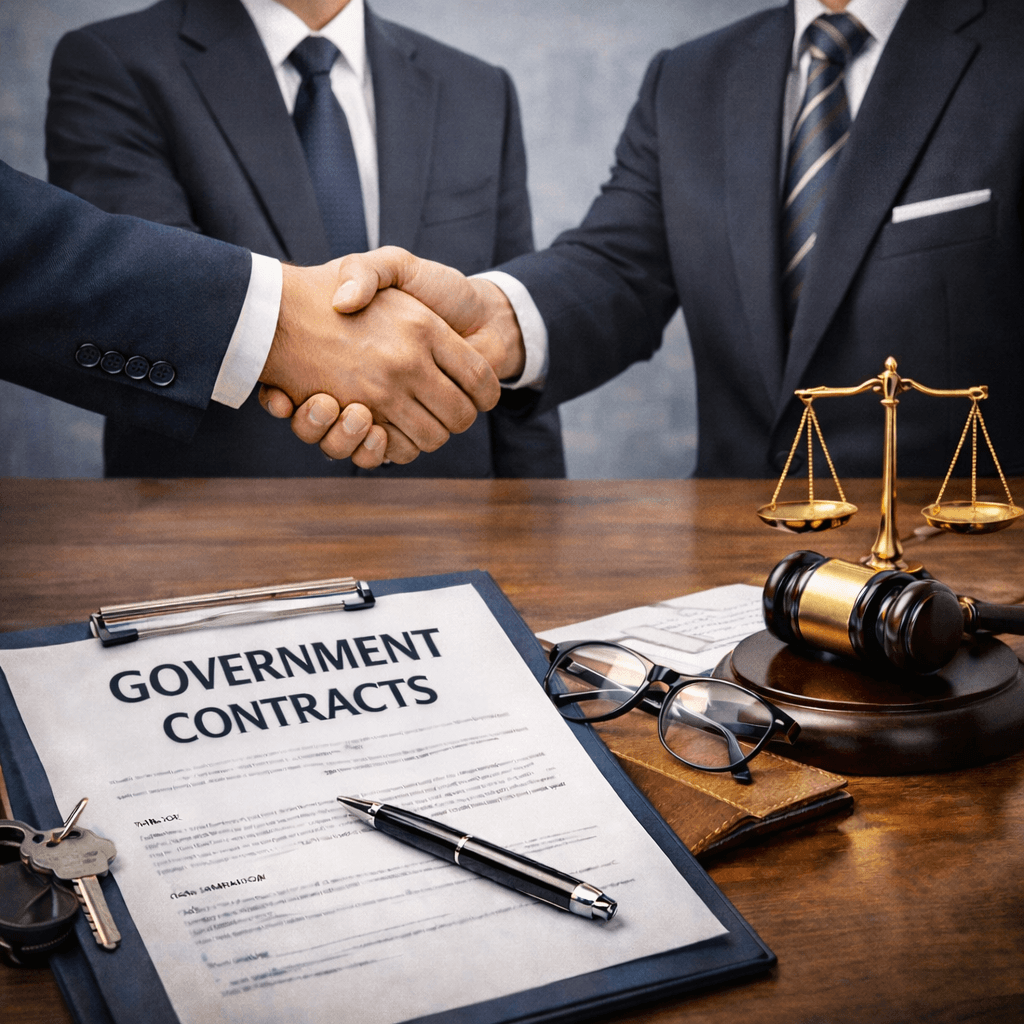
Computer Fraud: What Happens during Fraud Investigations?
Facing a computer fraud investigation? Learn how investigations begin, what evidence authorities review, and key legal considerations in New York. Computer fraud investigations often begin after reports of unauthorized access, financial loss, or suspicious digital activity. From my experience reviewing these matters, understanding how computer fraud investigations develop helps individuals and businesses respond before charges are filed. This article explains how computer fraud cases are investigated, what evidence authorities examine, and why early action during a computer fraud investigation may influence the legal process.
اقرأ المزيد

Which Type of Real Estate Litigation Applies to Your Case?
Which claim you bring determines how long you have, and the periods are not close to one another. Breach of contract runs six years. Negligence runs three. For a defect arising from a failed closing, the difference decides whether the claim exists at all. Fraud has its own rule — six years, or two years from discovery, whichever is later. Where a seller concealed a condition, that discovery rule is often the only route still open. Construction defects accrue at completion, not at discovery. A problem that surfaces five years after the work was finished may already be time-barred, and New York provides no statute of repose for design professionals — which means there is no outer date, only the accrual rule. Title claims operate separately, and adverse possession has its own period and its own elements.The date to identify first is not when you noticed the problem. It is when the claim accrued.
اقرأ المزيد