المعلومات القانونية

The Human Resources Committee
The Human Resources (HR) Committee serves as a key governance body within New York-based corporations, responsible for overseeing employment-related decisions, managing legal and regulatory risk, and ensuring compliance with applicable labor laws. Its role extends beyond administrative oversight to include the establishment and enforcement of fair and consistent workplace policies. This guide examines the core functions of the HR Committee, including policy development, compensation governance, and the administration of disciplinary actions. It further addresses how these responsibilities must be carried out in alignment with New York’s regulatory framework, emphasizing the importance of structured oversight and legally compliant decision-making.
اقرأ المزيد

Transactional Due Diligence: Legal Process, Risk Review, and M&A Strategy
Transactional due diligence reviews legal, financial, tax, and regulatory matters before M&A to identify transaction risks, verify disclosures, and support informed deal decisions. Transactional due diligence is the process of reviewing corporate records, financial statements, material contracts, litigation exposure, regulatory compliance, and tax obligations before an M&A transaction. Transactional due diligence helps identify hidden liabilities, verify disclosure accuracy, and evaluate risks affecting valuation and closing terms. Effective transactional due diligence also supports stronger deal negotiations, contractual protections, and post-closing liability management.
اقرأ المزيد

Structured Finance Litigation: 5 Legal Standards Investors Must Know Now
Structured finance litigation involves disputes over complex financial instruments and the disclosure obligations, valuation methodologies, and contractual terms that govern them. Investors in structured products face distinct legal challenges: the need to establish reliance on specific representations, the difficulty of isolating causation in multi-factor market movements, and the burden of proving scienter (intent or recklessness) in securities fraud claims. Understanding these legal standards helps investors assess the strength of potential claims and the procedural hurdles that shape litigation strategy from inception.
اقرأ المزيد

Why You Need an Experienced Class Actions Lawyer
A Class Actions Lawyer helps individuals collectively sue a defendant for shared injuries, ensuring legal compliance and structured settlement recovery. Class action lawsuits provide a critical legal mechanism for a large group of plaintiffs who have suffered similar harms from corporate wrongdoing, consumer fraud, or defective products. In these complex proceedings, a qualified Class Actions Lawyer guides the named representatives through the rigorous court certification process, which requires demonstrating commonality of injury and questions of law. Once the class is certified, navigating the intricate stages of litigation, fairness hearings, and eventual claims administration demands extensive legal expertise. Engaging an experienced Class Actions Lawyer is essential to evaluating settlement fairness, managing strict documentation requirements, and effectively protecting the collective rights of all affected class members throughout the legal process.
اقرأ المزيد
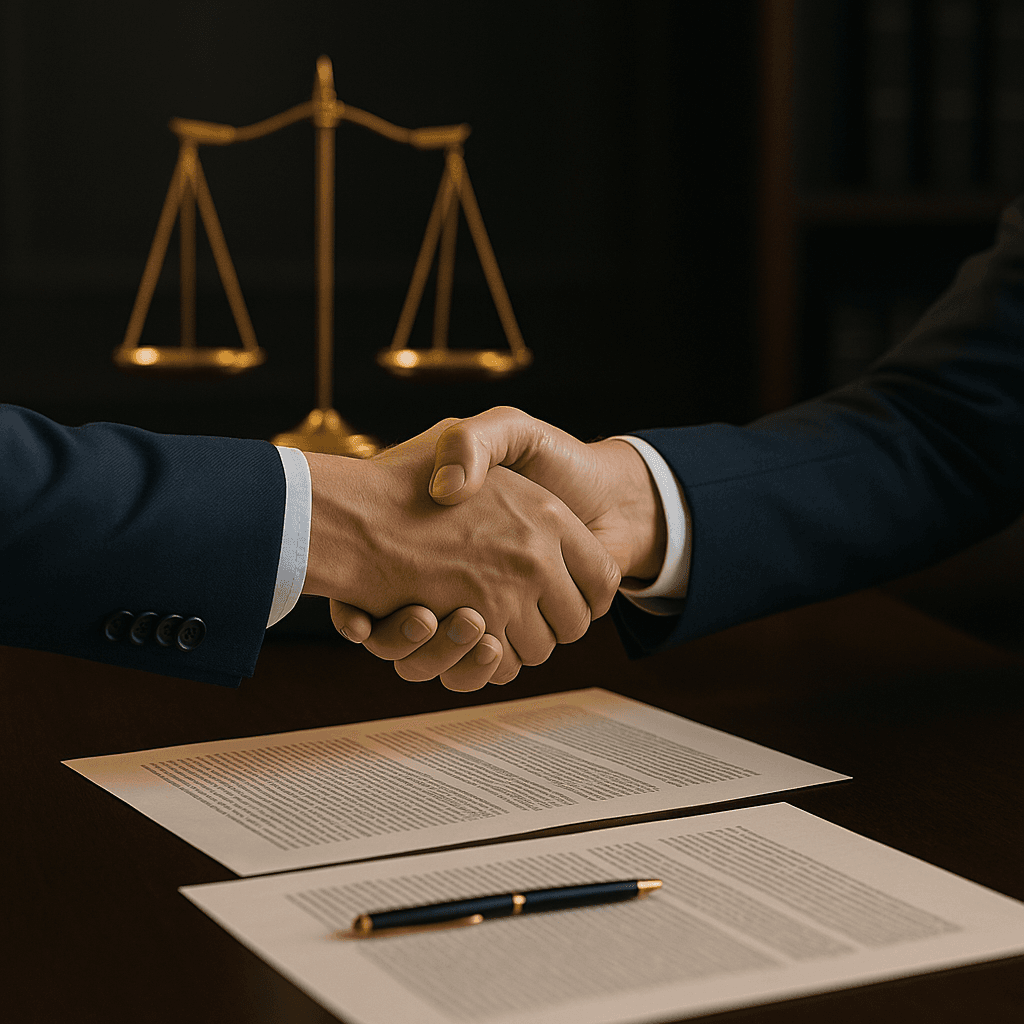
How Can a Criminal Defense Attorney in Staten Island Help with a Defamation Complaint Form?
3 Questions Clients Ask About Defamation Complaint Form: truth as a defense, burden of proof standards, written documentation requirementsIndividuals accused of defamation often face significant legal exposure, yet many do not understand the distinction between opinion, fact, and actionable statements under New York law. A criminal defense attorney in Staten Island can clarify whether a defamation complaint form presents genuine criminal jeopardy or a civil dispute that has been mislabeled. From a practitioner's perspective, the threshold question is whether the alleged statement is even subject to criminal prosecution, which depends on specific statutory language and judicial interpretation that varies substantially from civil defamation claims.
اقرأ المزيد
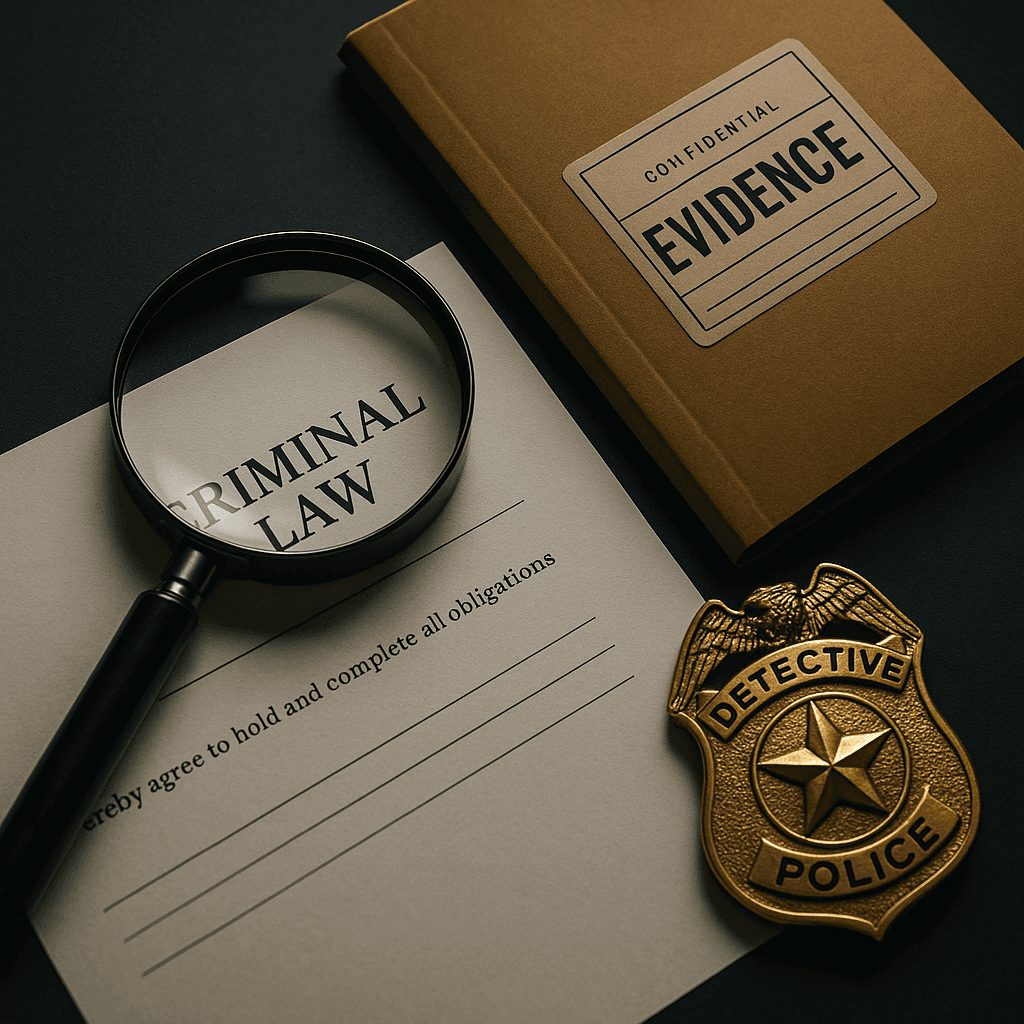
Real Estate Law Corporation: Formation, Governance, and Compliance
A real estate law corporation must satisfy formation, ownership, governance, licensing, and compliance requirements to provide legal services properly. A real estate law corporation is a professional legal entity formed under laws governing attorney ownership, licensing, governance, and ethical obligations. A properly organized real estate law corporation supports compliant real estate transactions, regulatory oversight, client fund protection, and professional accountability. Understanding how a real estate law corporation is formed and operated helps law firms reduce compliance risks while meeting ongoing legal and professional responsibilities.
اقرأ المزيد