




المعلومات القانونية

Sports Law Attorney: Legal Guidance for Athletes and Organizations
New York sports law attorney key strategies:• Legal guidance for athlete contracts, endorsement agreements, and licensing arrangements helps protect compensation rights and intellectual property interests.• Professional representation in disputes, arbitration, or litigation ensures athletes and sports organizations can resolve conflicts with teams, sponsors, and governing bodies.• Preventive legal planning and regulatory compliance advice help athletes and organizations avoid costly disputes and protect long-term career or business interests. A sports law attorney specializes in representing athletes, teams, organizations, and businesses within the sports industry. Whether you face contract disputes, endorsement negotiations, intellectual property issues, or regulatory compliance matters, a sports law attorney provides essential legal guidance. This comprehensive guide explains when you need sports law representation, what services are available, and how to navigate complex legal issues in the sports world.
اقرأ المزيد

Chapter 9 Lawyer: Municipal Bankruptcy Process and Requirements
Chapter 9 lawyer guidance explains municipal bankruptcy, debt restructuring, creditor negotiations, and legal requirements for public entities. A chapter 9 lawyer helps municipalities evaluate restructuring options before financial distress becomes unmanageable. From my experience, early planning often strengthens negotiations and supports sustainable public operations. This guide explains how a chapter 9 lawyer navigates municipal bankruptcy requirements and what municipalities should expect when working with a chapter 9 lawyer.
اقرأ المزيد

What Is Aggravated Property Damage under New York Law?
Aggravated property damage is not the name of a crime in New York, even though many people search for it expecting one. The term usually surfaces after a serious act of destruction, when someone accused of the conduct, or hurt by it, wants to know how the law treats it. New York files this conduct as criminal mischief under Penal Law Article 145. The charge starts as a misdemeanor and climbs to a felony as the damage becomes more costly or more dangerous. What follows explains why the "aggravated" label sticks, how the state actually classifies the offense, and the point at which a case turns into a felony.
اقرأ المزيد

How Do International Business Transactions Work for U.S. Corporations?
Cross-border deals are transactions in which a U.S. .orporation acquires, sells, or invests in assets, entities, or operations located outside the United States, or foreign parties transact with U.S. .ntities across national boundaries.Success hinges on managing regulatory compliance, tax treatment, and enforceability across multiple jurisdictions. This article covers the procedural and strategic considerations corporations face when structuring cross-border transactions, managing regulatory hurdles, and protecting their interests through dispute resolution frameworks. The analysis addresses regulatory compliance, due diligence, dispute resolution, data protection, and strategic planning in cross-border transactions.
اقرأ المزيد
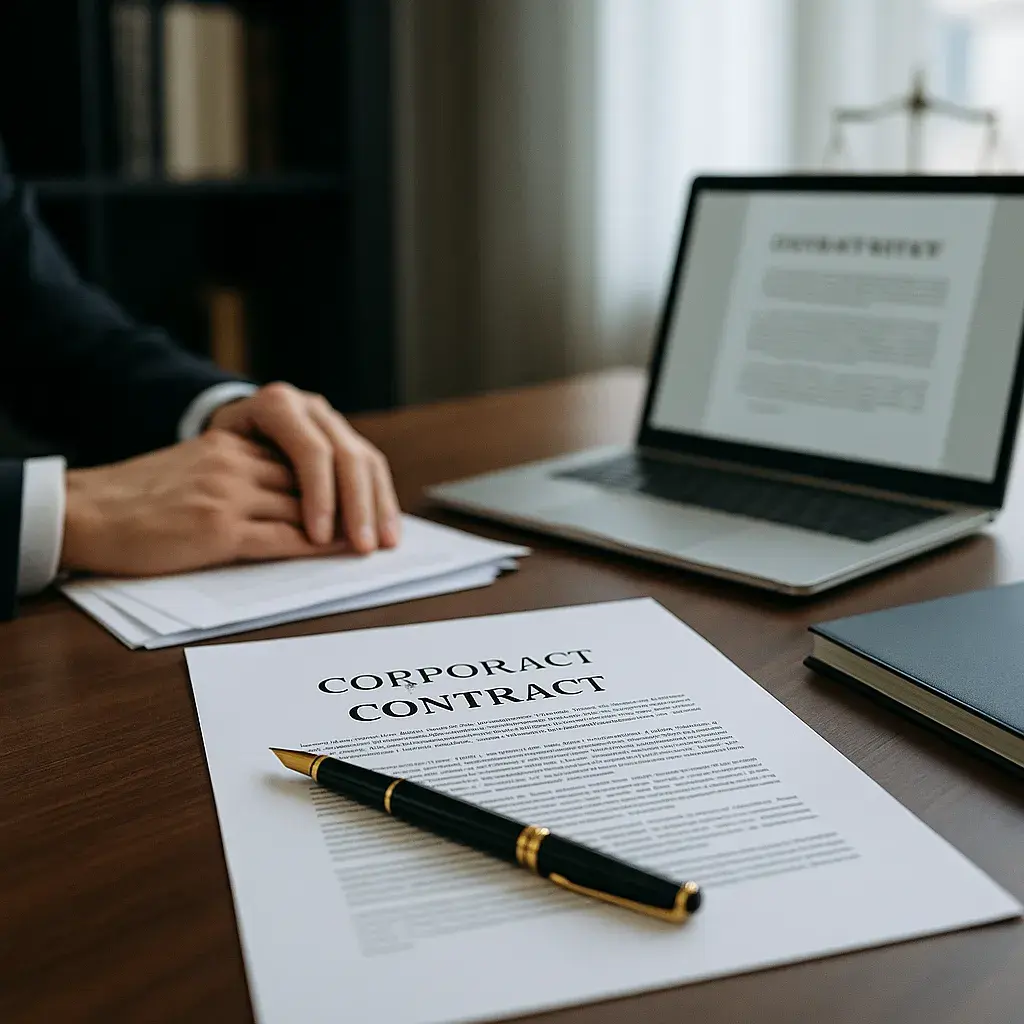
Corporate Closure in New York: Key Legal Steps Business Owners Should Know
New York corporate closure process explained by a business attorney:• Corporate closure in New York requires formal approval from the board of directors and shareholders, followed by filing a Certificate of Dissolution with the New York Department of State.• Businesses must settle outstanding debts, notify creditors, liquidate assets, and distribute remaining funds to shareholders according to legal priority rules.• Companies must also complete final federal and state tax filings and obtain a tax clearance certificate before the dissolution process can be finalized.Corporate closure represents a significant legal and financial undertaking that requires careful planning and strict compliance with New York state regulations. Whether your business is dissolving voluntarily or facing involuntary termination, understanding the corporate closure process is essential to protect your interests and fulfill your legal obligations. This guide explains the key steps involved in corporate closure, the relevant New York statutes that govern the process, and the important considerations business owners must address to ensure a smooth and legally compliant dissolution.
اقرأ المزيد

Prepare to Litigation for Institutional Change
Litigation for Institutional Change 3 Keys: Establishing comprehensive legal theories for systemic failure, securing equitable and injunctive relief for operational reform, and implementing long-term monitoring mechanisms to ensure organizational accountability.Litigation for institutional change represents a powerful legal mechanism through which plaintiffs seek not only monetary compensation but also systemic reforms that reshape corporate governance, workplace practices, and organizational accountability. This form of litigation combines traditional damage claims with equitable relief, injunctive relief, and declaratory relief to create lasting transformations within institutions. Class actions and complex civil disputes increasingly serve as vehicles for institutional change, compelling organizations to adopt best practices, enhance transparency, and implement safeguards that protect consumers, employees, and the public interest.
اقرأ المزيد
