المعلومات القانونية

How Can You File a Criminal Case in New York and What Steps Matter?
3 Questions Clients Ask About Filing a Criminal Case: Arrest procedures and initial appearance requirements, prosecutor discretion in felony charges, timing of arraignment and bail decisions.Understanding how to file a criminal case in New York is essential for anyone facing charges or navigating the criminal justice system. Whether you are the accused or a family member seeking to understand the process, a criminal defense law firm in New York can clarify the procedural steps, your rights at each stage, and the strategic decisions that emerge from the moment of arrest through arraignment. This article examines the filing process, the role of prosecutors, and the critical junctures where early legal counsel shapes outcomes.
اقرأ المزيد

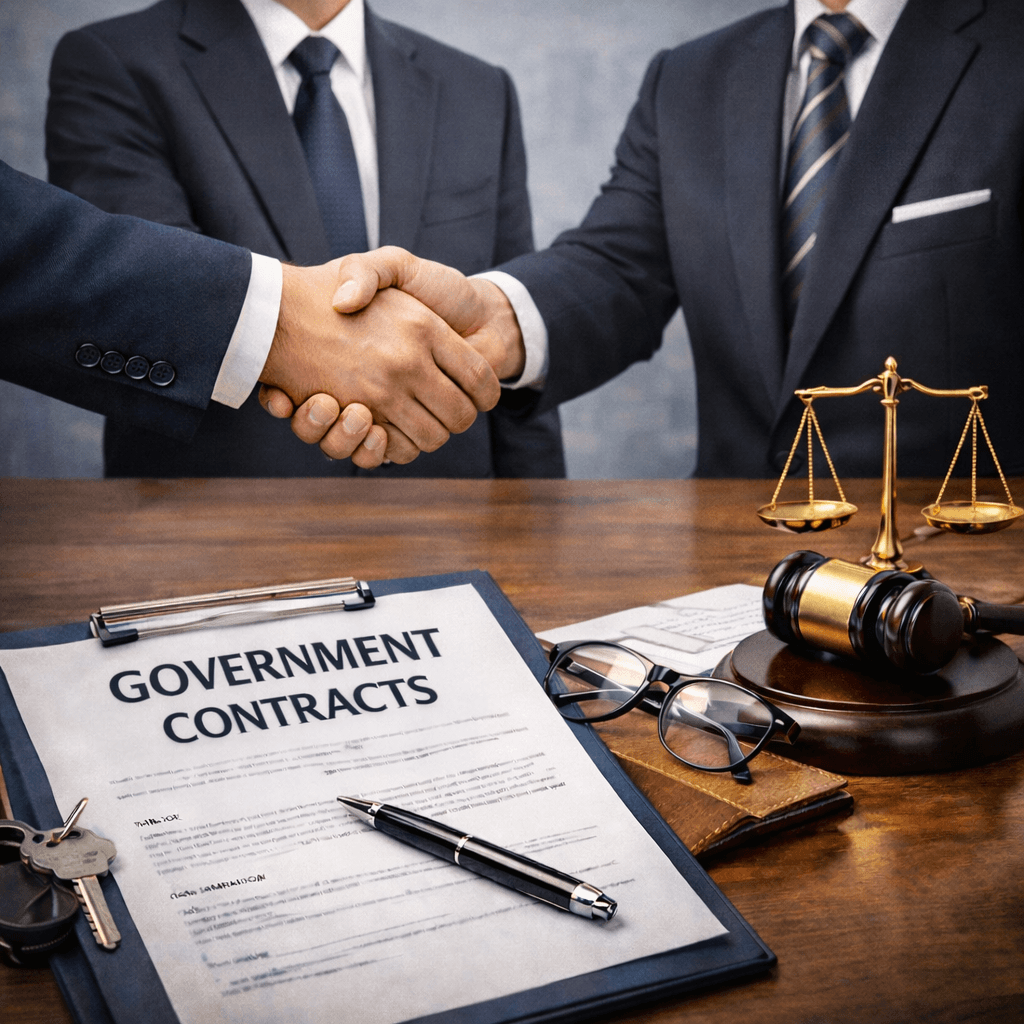
Key Legal Risks in Federal Programs and Government Contracts That Demand Immediate Attention
3 Questions Decision-Makers Raise About Federal Programs and Government Contracts: Compliance audits and defective pricing claims, bid protest procedures and contract termination exposure, False Claims Act liability, and suspension risk.Organizations that pursue federal programs and government contracts face a distinct regulatory ecosystem. Unlike commercial contracting, federal procurement is governed by statutes, regulations, and case law that impose strict compliance obligations on contractors and grant recipients. The stakes are high: a single compliance failure can trigger audit findings, contract suspension, debarment, or False Claims Act liability. As counsel, I often advise clients that federal contracting is not simply commercial law with government as the buyer. The rules are different, the enforcement mechanisms are more aggressive, and the remedies available to the government are broader. Understanding these legal risks early is essential to protecting your organization's ability to compete and perform.
اقرأ المزيد
How to Choose the Right Real Estate Law Firm for Complex Property Matters
Key Considerations When Choosing the Best Real Estate Law Firm:property transaction expertise, legal risk management strategies, client-focused real estate representation Finding the best real estate law firm requires understanding what distinguishes exceptional legal representation in property matters. A best real estate law firm combines deep expertise in New York property law, proven track record with complex transactions, and client centered service. This guide explains how to identify top tier real estate legal services and what qualities matter most when selecting representation for your property needs.
اقرأ المزيد

Trademark Violation with a Lawyer
In Washington D.C., trademark violation is a serious offense with potential criminal and civil consequences. This article explains how trademark violations are defined under local and federal law, the essential elements required to establish an infringement, the specific behaviors that constitute unlawful use, and how both the accused and the victim can legally respond. Understanding these nuances is vital for businesses and individuals operating within the District to protect their brand and avoid costly litigation.
اقرأ المزيد

Proxy Contest Response Strategies for Corporations
A proxy contest is a mechanism by which shareholders seek to gain control of a corporation's board of directors by soliciting votes from other shareholders to replace existing directors or approve alternative proposals.Proxy contests operate under a detailed regulatory framework established by the Securities and Exchange Commission and state corporate law, with the burden on the insurgent group to build majority support through disclosure and persuasion. This article examines the procedural requirements, defensive strategies, and disclosure obligations that govern proxy contests under federal and state law. Understanding these rules is essential for corporate boards, management teams, and shareholders seeking to navigate contested elections effectively.
اقرأ المزيد

Protecting Your Rights in a Capital Markets Transaction
Capital markets transactions involve the issuance and trading of securities, and investors navigating these markets face distinct legal and regulatory frameworks that shape both opportunity and risk. Understanding the legal architecture of capital markets transactions helps investors evaluate the structural protections available to them, recognize disclosure obligations that issuers and intermediaries owe, and identify procedural safeguards that apply when disputes arise. Securities regulation in the United States operates across federal law (primarily the Securities Act of 1933 and Securities Exchange Act of 1934), state blue sky laws, and rules administered by the Securities and Exchange Commission (SEC) and self-regulatory organizations, such as the Financial Industry Regulatory Authority (FINRA). From an investor's perspective, these overlapping regimes create multiple layers of protection, though the interplay between them can create complexity when evaluating claims or remedies.
اقرأ المزيد