




المعلومات القانونية

Unjust Enrichment Claims: Key Legal Elements under New York Law
Learn how Unjust Enrichment Claims work under New York law and what legal elements you must prove in court to recover wrongfully retained benefits. Plaintiffs must establish direct enrichment.
اقرأ المزيد

Debt Recovery Process in New York without a Promissory Note
Debt recovery process in New York may rely on oral agreements, payment records, and credible evidence when no promissory note exists. The debt recovery process can still move forward without a signed promissory note if the creditor proves the loan, repayment terms, and default through reliable evidence. In New York, the debt recovery process often depends on bank transfers, emails, text messages, witness testimony, and partial payments. Understanding the debt recovery process helps creditors evaluate available evidence before pursuing legal action.
اقرأ المزيد

Evidence Safeguard Motion
In New York, an evidence safeguard motion allows a party to proactively secure evidence before a lawsuit formally begins, ensuring that critical materials are preserved and available for future proceedings. This guide provides a detailed explanation of what this motion entails, outlines the specific legal conditions under which it can be granted, and details the precise steps required to file it in strict accordance with New York law. By understanding this crucial procedural tool, potential litigants can prevent the irreversible loss of key evidence, thereby protecting the integrity of their case.
اقرأ المزيد

How Can a Partnership Lawyer Near Me Help Resolve Corporate Structure Issues?
Partnership formation and governance involve statutory requirements, fiduciary duties, and operational frameworks that require careful legal structuring to protect shareholder interests and limit liability exposure. Corporations enter into partnerships, joint ventures, and multi-entity arrangements to expand operations, share capital, or access specialized expertise. Each structure carries distinct tax consequences, liability allocation, and governance obligations that vary significantly depending on the entity type, state of formation, and the rights and responsibilities assigned to each party. Misalignment between the formal agreement and actual operational practice creates legal risk and can trigger disputes over control, distributions, and exit rights.
اقرأ المزيد
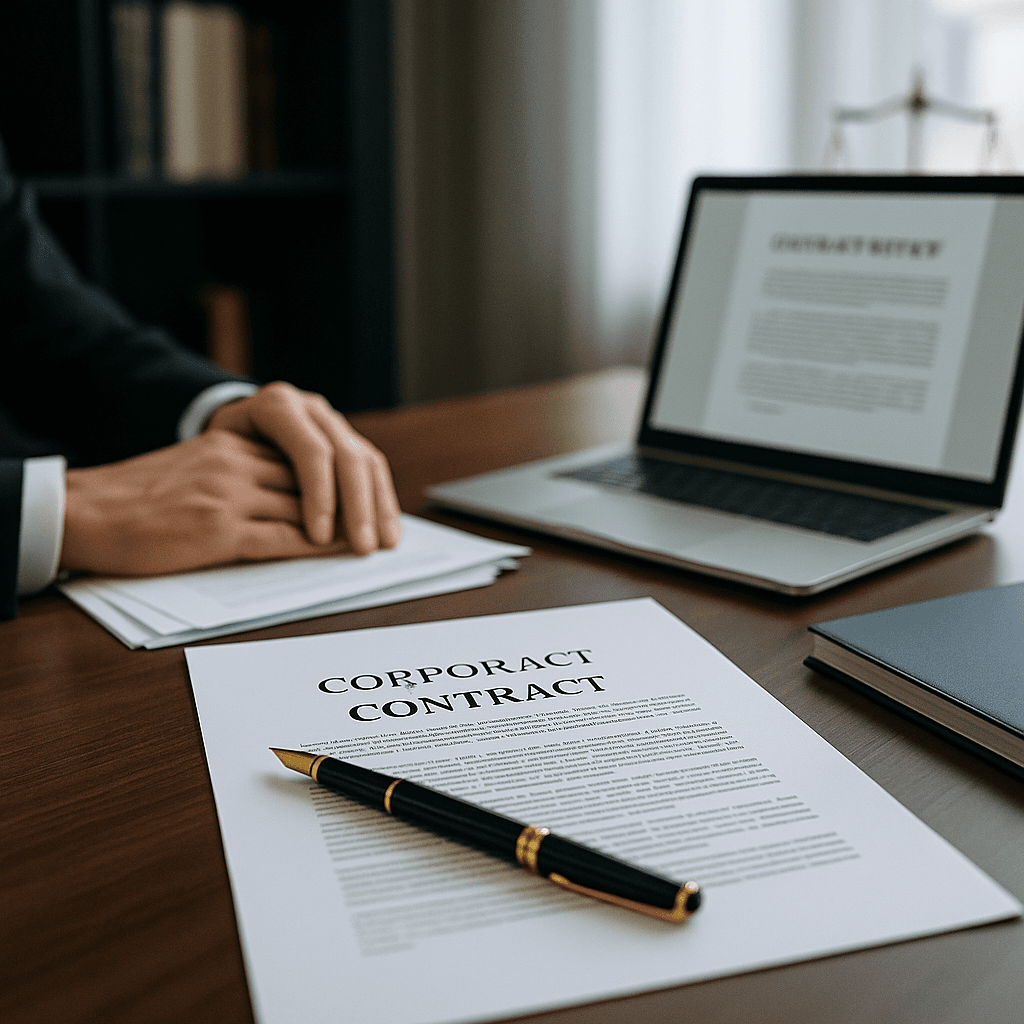
Damages Award Rights and How to Manage Your Compensation
Termination of legal rights, contracts, or claims often requires analysis of statutory requirements, notice procedures, available remedies, and litigation risks. Termination of legal rights, contractual obligations, or claims can significantly affect compensation, liability, and dispute outcomes. Understanding termination of agreements or legal claims requires careful review of governing statutes, notice requirements, procedural rules, and available defenses. In disputes involving compensation, courts evaluate whether termination of duties, contracts, or legal relationships was lawful, how damages are calculated, and what evidence supports recovery. Parties should assess documentation, mitigation obligations, and legal strategies before pursuing or challenging compensation claims.
اقرأ المزيد

Debt Collection Defense Strategies: Bankruptcy Options and Debtor Rights
Debt collection defense strategies explain debtor rights, FDCPA protections, bankruptcy options, statute of limitations defenses, and tax debt considerations. Debt collection defense strategies in New York begin with evaluating debtor rights, FDCPA protections, and statute of limitations defenses. Debt collection defense strategies may include Chapter 7 or Chapter 13 when collection lawsuits, garnishment, or tax debt create significant financial pressure. Before choosing debt collection defense strategies, I recommend reviewing income, assets, and legal risks to determine the most appropriate response.
اقرأ المزيد
