




المعلومات القانونية

How Can a Corporation Defend against Arbitration?
A corporation facing an arbitration claim must evaluate whether the arbitration agreement is enforceable, whether the dispute falls within its scope, and what defenses may apply under New York law and the Federal Arbitration Act. Arbitration defense is not a single strategy but a layered assessment of procedural and substantive grounds that may prevent or reshape the arbitration process. Corporations often encounter arbitration clauses in contracts with employees, customers, vendors, and partners, and the enforceability of those clauses depends on contract formation, scope interpretation, and whether the parties agreed to arbitrate the specific dispute at hand. Understanding the timing and mechanics of raising defenses matters significantly, as courts may dismiss defenses raised too late or outside the proper procedural context.
اقرأ المزيد

Forgery of Official Documents under New York Law
Forgery of official documents involves falsified government records, criminal intent, penalties, and legal defenses under New York law. Forgery of official documents is a crime involving the creation, alteration, possession, or use of false government-issued records. In New York, forgery of official documents may apply to licenses, permits, certificates, and court records when used with intent to deceive. Understanding forgery of official documents, including legal elements, penalties, and defenses, is essential when facing criminal allegations.
اقرأ المزيد
How to Defend Consumer Fraud Litigation Effectively?
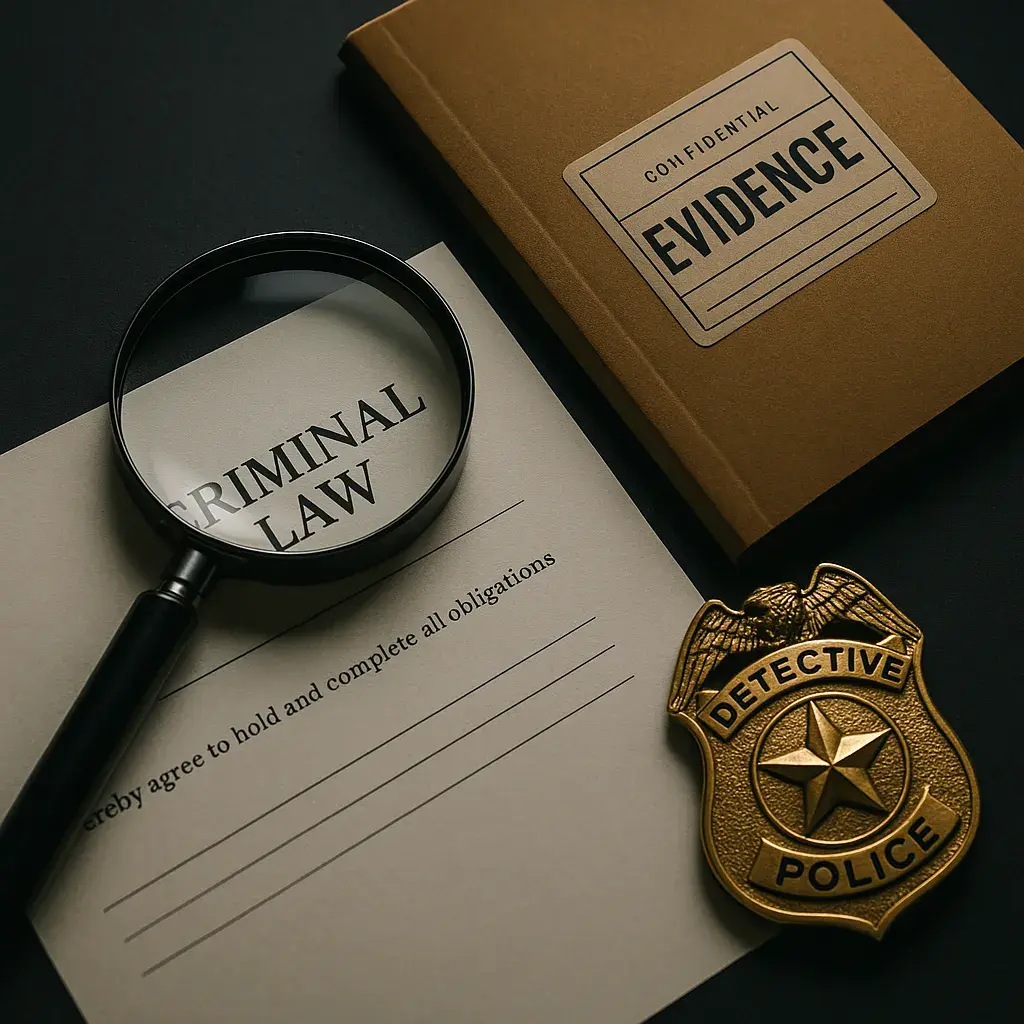
Consumer fraud litigation involves deceptive practice claims, class action exposure, evidentiary risks, and early defense strategies that shape liability outcomes. Consumer fraud litigation can expose corporations to statutory damages, class action certification, and significant reputational harm. Understanding consumer fraud litigation requires careful evaluation of deceptive practice allegations, documentation obligations, and procedural risks. Because consumer fraud litigation often relies on broad consumer protection statutes and lower burdens of proof, businesses should assess evidence preservation, class action exposure, and defense strategies as early as possible to reduce litigation risk and strengthen their position throughout the dispute.
اقرأ المزيد

How Does Title Ix Compliance Work in New York Educational Institutions?
Title IX compliance protects educational rights in New York schools through formal grievance steps and swift institutional investigations. SJKP's attorneys counsel boards to avoid federal funding risks.
اقرأ المزيد

What You Need to Know about Anti-Money Laundering Case Defense
Anti-money laundering enforcement involves distinct civil, administrative, and criminal tracks that operate simultaneously and require separate compliance strategies for organizations. Understanding how regulatory agencies, financial institutions, and law enforcement coordinate their investigations helps corporate counsel prioritize risk mitigation early. The complexity arises because a single transaction pattern may trigger reporting obligations to FinCEN, internal compliance reviews, regulatory audits, and potential criminal referrals all at once. Timing of disclosure, documentation accuracy, and cooperation decisions made during the initial regulatory contact can significantly affect outcomes across all three channels.
اقرأ المزيد

Title Ix Regulations
Title IX Regulations serve as a fundamental legal shield designed to eliminate sex based discrimination within educational environments receiving federal financial assistance. In the District of Columbia, these rules create a structured environment where students and faculty can pursue academic goals without fear of bias or harassment. By integrating federal mandates with local administrative oversight, the District ensures a high standard of equity across all levels of schooling. Understanding the specific rights and duties established under this law is essential for navigating disputes within the local educational system.
اقرأ المزيد
