




المعلومات القانونية

What Legal Frameworks Govern Aerospace Defense Contracts?
Aerospace defense contracting is a specialized legal domain involving government procurement, regulatory compliance, and complex contractual relationships between private contractors and federal agencies. Federal acquisition law, including the Federal Acquisition Regulation (FAR) and the Defense Federal Acquisition Regulation Supplement (DFARS), establishes mandatory procedural requirements for all defense contracts. Procedural defects in solicitation, bidding, or contract administration can expose contractors to bid protests, contract termination, or regulatory sanctions. This article addresses key compliance requirements, contractual risk allocation, government oversight mechanisms, and strategic documentation practices that protect contractor interests in aerospace defense procurement.
اقرأ المزيد

What Is Embezzlement of Public Funds and What Are the Consequences?
Using public money for personal gain is not only unethical, but a serious criminal offense. In Washington D.C., embezzlement of public funds from a government agency, nonprofit, or even a private company under fiduciary duty can result in severe criminal liability and long-term consequences. This article thoroughly explores the legal definition of Washington D.C. .mbezzlement of public funds, the key elements of the offense, applicable penalties, and essential defense strategies.
اقرأ المزيد
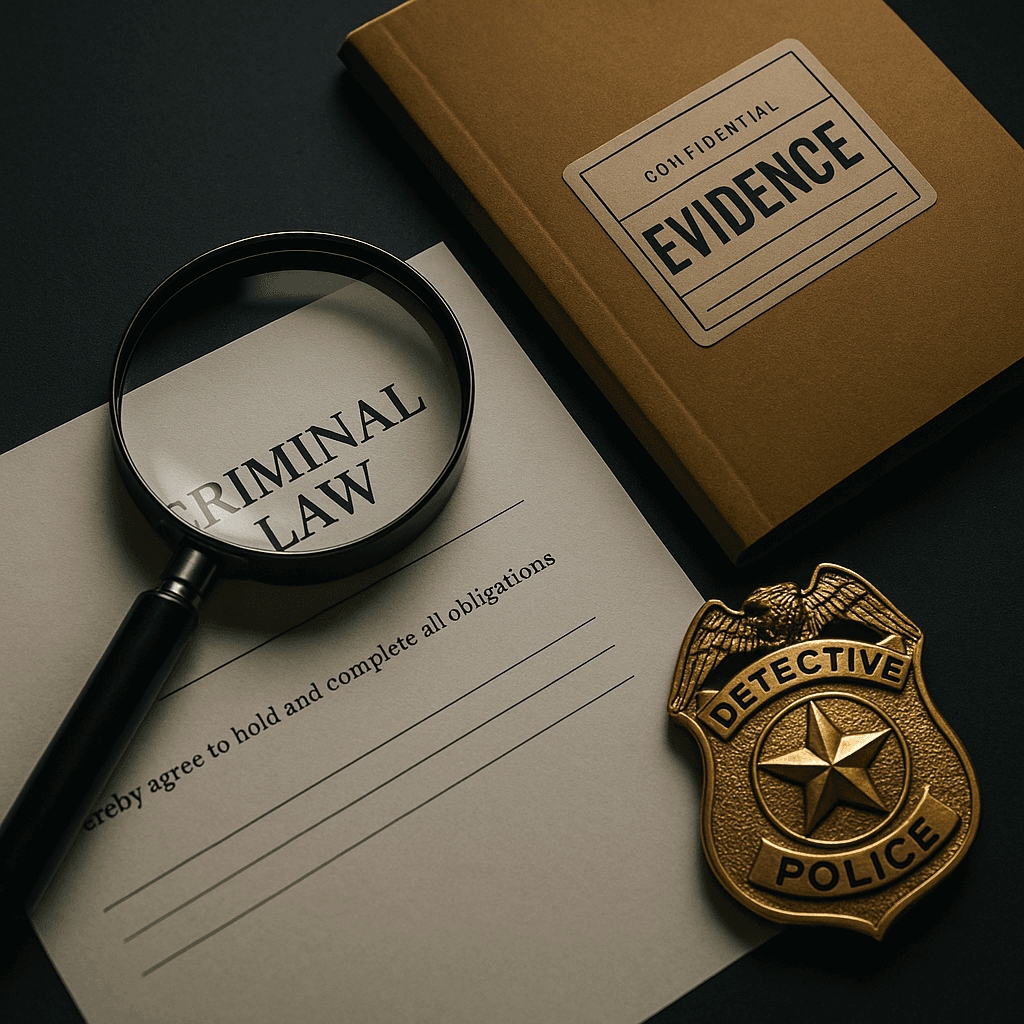
How Can Cyber Defense Protect Your Business from Digital Threats?
Cyber defense refers to the legal and operational strategies organizations deploy to prevent, detect, and respond to unauthorized digital intrusions, data breaches, and network-based attacks that may expose sensitive information or disrupt business operations. Corporate entities face statutory obligations under federal and state privacy laws to implement reasonable security measures and disclose breaches within defined timeframes. Failure to maintain adequate cyber defenses can result in regulatory fines, civil litigation, and reputational harm that may be difficult to remedy once a breach occurs. This article addresses the core legal frameworks governing cyber defense, incident response protocols, liability exposure, and the strategic considerations that help organizations protect intellectual property and customer data.
اقرأ المزيد

How to Recognize Stock Fraud and Protect Your Investment Rights
Stock fraud is the deliberate deception of investors through false statements or market manipulation, a federal offense punishable by up to 25 years in prison under 18 U.S.C. § 1348. The SEC, FINRA, and state regulators pursue these cases aggressively, and in New York the Attorney General holds additional enforcement authority under a state law with no equivalent in most other jurisdictions. This page covers the most common securities schemes, how fraudsters approach their targets, key warning signs, and the steps available to investors who lost funds or are facing a securities investigation.
اقرأ المزيد

What Is the Anti-Money Laundering Act of 2020?
The Anti-Money Laundering Act of 2020 is a federal statute that strengthens regulatory requirements for financial institutions and other entities to detect, report, and prevent money laundering and terrorist financing. The law expands reporting obligations and customer due diligence standards for banks, money services businesses, and certain other intermediaries. Failure to implement adequate anti-money laundering controls can result in civil penalties, criminal prosecution, and reputational harm. This article examines the statute's core requirements, compliance obligations, beneficial ownership reporting, and practical implications for corporate compliance programs.
اقرأ المزيد

What Is Stock Fraud and How Does the Sec Build Its Case?
Stock fraud involves deliberate deception in securities transactions, a federal violation under the Securities Exchange Act of 1934 that carries up to 25 years in prison. The SEC has primary authority to investigate stock fraud and can pursue both civil penalties and criminal referrals to the Department of Justice. The conduct includes insider trading, pump and dump schemes, Ponzi structures, and falsified financial disclosures. If you received an SEC inquiry or lost money in a fraudulent investment, knowing how stock fraud cases develop shapes what you can do next.
اقرأ المزيد
