




المعلومات القانونية

Global Marital Dissolution
Global marital dissolution, or the process of ending a marriage between spouses of different nationalities, involves a unique set of legal challenges. Navigating these complexities requires a thorough understanding of which country's laws apply and how to proceed. It is a legally intricate process that demands specialized knowledge to ensure a valid and enforceable outcome, especially when dealing with cross-border issues.
اقرأ المزيد

What Determines the Validity of a Will under New York Law?
A will is valid in New York only if it satisfies EPTL execution requirements, testamentary capacity, and witness formalities. Validity of a will under New York law depends on strict compliance with EPTL execution requirements, testamentary capacity, and proper witness procedures. Validity of a will may be challenged even after the document is signed if evidence shows fraud, undue influence, duress, or defects in execution. Because a single procedural error can prevent a will from being admitted to probate, validity of a will requires both legal formalities and reliable supporting evidence. This guide explains the statutory requirements for a valid will, the limited will types recognized in New York, common grounds for will contests, and practical steps that help preserve validity of a will during probate.
اقرأ المزيد

Wire Fraud Lawyer in Los Angeles Explains Intent and Evidence
Wire fraud under 18 U.S.C. § 1343 requires a scheme to defraud, intent to defraud, and the use of interstate wire communications in furtherance of it. The wire element is satisfied easily — an email or bank transfer suffices — so the contested elements are the scheme and the intent. A broken promise is not a scheme. Intent must exist when the representation was made, which is why contemporaneous documents matter more than the outcome: a defendant who intended to perform and failed has breached a contract, not committed fraud. The object must be money or property. Ciminelli v. United States (2023) rejected the right-to-control theory, holding that depriving a victim of information bearing on an economic decision is not a property interest, and Kelly v. United States (2020) reached the same conclusion where the object was regulatory control rather than property. The limitations period is five years, extended to ten where a financial institution is affected.
اقرأ المزيد

Proportionality Challenges in Federal Discovery in Manhattan
US federal litigation discovery defense attorney in Manhattan addresses proportionality, preservation duties, and sanctions. Rule 26(b)(1) limits discovery to nonprivileged matter that is relevant and proportional to the needs of the case. Rule 37 permits sanctions for specified discovery failures, while Rule 37(e) sets separate standards when electronically stored information is lost. Early analysis of custodians, data sources, time periods, and production burdens can help frame proportionality objections before discovery disputes escalate.
اقرأ المزيد

How a Real Estate Fraud Attorney Reviews Hidden-Defect Claims
Real estate fraud attorney guidance on seller disclosure duties, fraudulent concealment, contract defenses, and post-closing claims under New York law.Finding water damage or structural defects after closing does not automatically establish fraud. A buyer must examine what the seller knew, what was misrepresented or concealed, and whether reliance on that conduct was justified. The purchase agreement, disclosure statements, and inspection records can help determine whether a claim is viable.
اقرأ المزيد
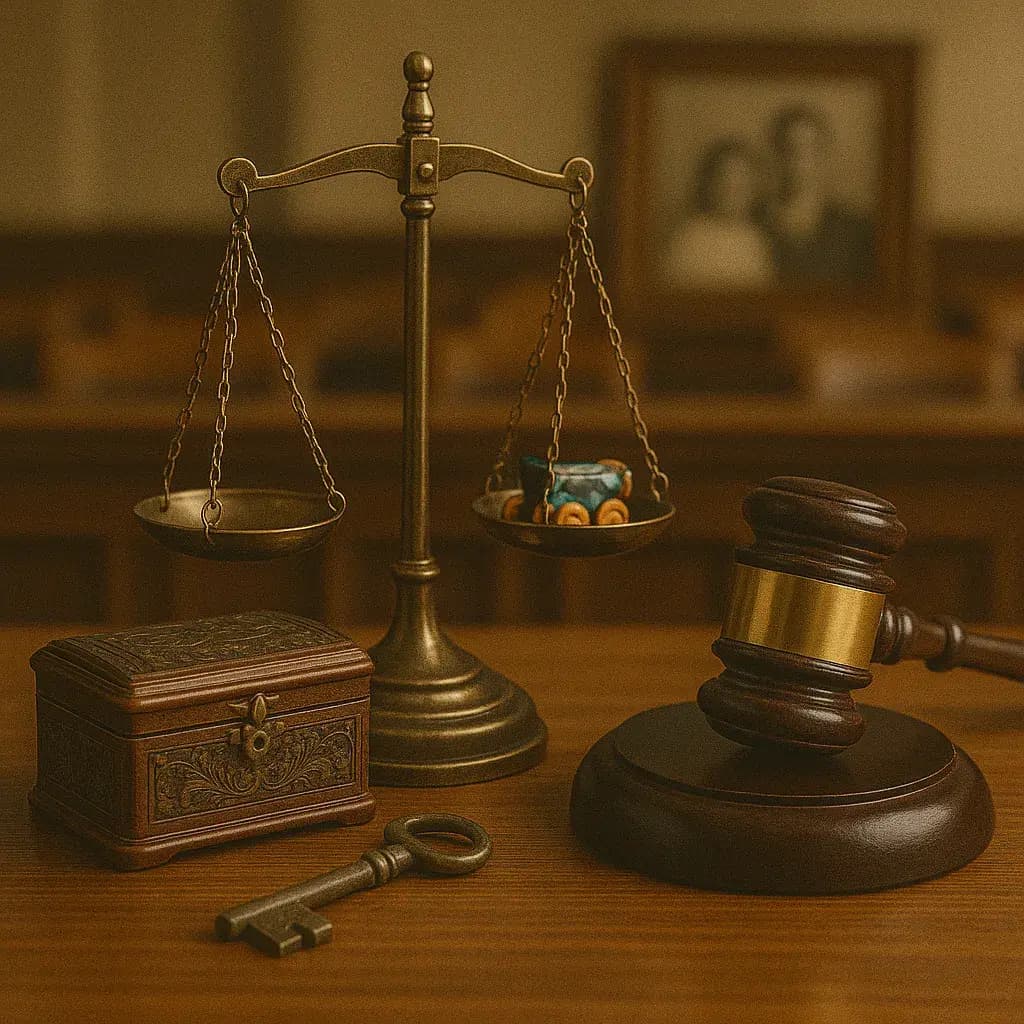
What Is a Civil Rights Agreement and How Does It Protect Petitioners?
A civil rights agreement is a formal legal instrument through which parties resolve disputes involving alleged violations of protected rights, typically arising under federal or state anti-discrimination, constitutional, or statutory protections. These agreements operate within a framework where statutory notice requirements, procedural compliance, and proof standards shape enforceability and remedial scope. Failure to document key terms, timeline provisions, and release language can undermine the agreement's validity or leave critical protections unenforceable. This article addresses what civil rights agreements entail, how they function procedurally, the role of settlement versus adjudication, and practical considerations for petitioners evaluating or negotiating such arrangements.
اقرأ المزيد
