




المعلومات القانونية

How to Choose the Right Personal Injury Attorney in NY: 3 Key Factors
Choosing the right personal injury attorney in NY determines whether you recover full compensation or settle for less. Discover three factors every New York injury victim must evaluate before hiring. The right personal injury attorney in NY is not simply the one with the loudest advertisement, it is the one who understands New York's specific procedural rules, knows how local courts operate, and communicates with you honestly from day one. I always tell clients: ask hard questions during that first consultation, because how a personal injury attorney responds in that meeting tells you everything about how they will handle your case. Your choice of attorney is, without question, one of the most consequential decisions you will make after an injury.
اقرأ المزيد

Divorce Waiting Periods: State Requirements & Timeline Guide
A divorce waiting period requires spouses to wait a mandatory period between filing and finalization. State statutes determine cooling-off durations, which range from zero days in New York to several months elsewhere.
اقرأ المزيد

Marriage-Based Visa Eligibility: Who Qualifies and What You Need
Learn who qualifies for marriage-based visa eligibility, which supporting documents strengthen an application, and how to prepare before filing for permanent residence. Marriage-based visa eligibility begins with proving that the marriage is legally valid and was entered into in good faith under U.S. .mmigration law. Marriage-based visa eligibility also requires a qualifying U.S. .itizen or lawful permanent resident petitioner together with complete civil, financial, and relationship documentation. From my experience, reviewing marriage-based visa eligibility before filing often helps applicants identify missing evidence and resolve potential legal issues before they delay the case.
اقرأ المزيد

Construction Site Osha Violation Attorney Explains Citation Costs
A citation must be contested in writing within fifteen working days of receipt. One that is not contested becomes a final order of the Review Commission not subject to review, and the abatement dates and penalties take effect as issued. An informal conference with the Area Director does not extend that period. Classification matters more than the penalty amount. For 2026 the maximum is $16,550 for a serious violation and $165,514 for a willful or repeat violation, and a serious citation left standing becomes the predicate for a repeat characterization at any of the employer’s sites for the next five years. In New York the citation has a second life. Labor Law §§ 240 and 241(6) impose liability on owners and general contractors regardless of their own fault, and an OSHA citation is admissible as evidence in that action without being dispositive, so the decision to contest is made with that case in view.
اقرأ المزيد
Understand Investor Rights and Filing Procedures in Ipo Cases
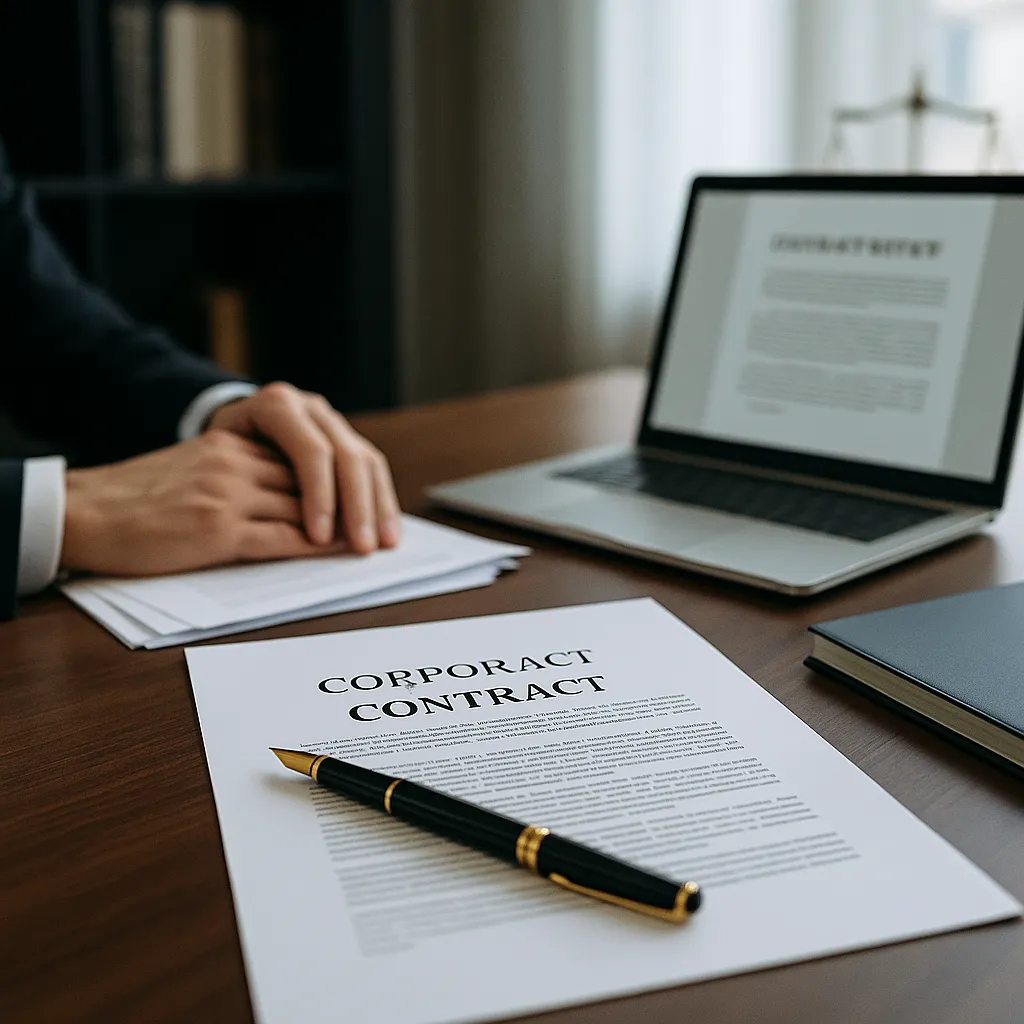
An IPO case is a civil proceeding in which investors or shareholders allege that material misstatements or omissions in a company's initial public offering registration statement caused them financial harm, typically through claims under federal securities laws. Federal securities litigation involving IPO claims requires strict compliance with pleading standards, particularly the heightened pleading requirements under the Private Securities Litigation Reform Act, which means that failure to allege facts with sufficient particularity can result in dismissal before trial. Procedural defects in how claims are framed, what evidence is presented, and whether disclosure requirements are met create significant risks that a consumer's claims may be dismissed on motion or rendered unenforceable. This article covers the legal framework governing IPO cases, the types of claims consumers may pursue, the procedural hurdles that affect case viability, and key considerations that shape litigation outcomes.
اقرأ المزيد

How Can a Pharmaceutical Patent Protect New Drug Innovation?
A pharmaceutical patent is a form of intellectual property protection that grants a patent holder exclusive rights to manufacture, use, sell, and distribute a new drug or therapeutic compound for a defined period, typically twenty years from the filing date. Patent law operates under a strict procedural framework where the United States Patent and Trademark Office (USPTO) examines applications against statutory requirements of novelty, non-obviousness, and utility. Failure to meet procedural deadlines, inadequate disclosure of the invention, or prior art references can result in patent rejection or invalidity challenges that strip away protection entirely. This article covers how pharmaceutical patents function, the examination process, enforcement mechanisms, and the strategic considerations healthcare professionals and industry stakeholders should understand when navigating patent landscapes in drug development and commercialization.
اقرأ المزيد
