




المعلومات القانونية

Construction Fraud Attorney Explains Liability and Recovery Strategies
Protecting your investment from construction fraud requires a firm grasp of both the General Business Law and the professional standards set by the New York Education Law. When contractors engage in material misrepresentation or deceptive billing, the legal system provides specific pathways for establishing liability and recovering damages for repair or remediation. By prioritizing license verification and meticulous documentation, property owners can build a strong evidentiary foundation to hold deceptive professionals accountable under the state's regulatory framework. Construction Fraud: Liability & Recovery Summary:CategoryLegal Basis & RequirementPotential Relief & ImpactLegal FrameworkGen. Business Law § 349 & Education Law.Protects consumers and mandates professional licensing.Liability ElementsMisrepresentation, reliance, and resulting damages.Establishes the basis for civil negligence and fraud claims.Damages ScopeActual repair costs and diminution in value.Includes compensatory, consequential, and punitive damages.Litigation RulesGoverned by the CPLR and expert testimony.Involves discovery and expert evaluation of industry standards.PreventionLicense verification and detailed written contracts.Minimizes risks through payment milestones and inspections.
اقرأ المزيد

Business Name Vs. Trademark: Legal Protection, Screening & Registration
Learn the difference between a New York business name, DBA, and federal trademark, including name-screening steps and practical strategies to reduce brand-protection risks. Choosing a business name in New York involves more than checking whether the name is available with the state. A name that satisfies New York Department of State filing requirements may still conflict with an existing trademark or an unregistered business using a similar mark. Understanding the difference between state filings and federal trademark protection can help you reduce legal risk before launching.
اقرأ المزيد

What Should You Do When Your Insurance Claim Is Wrongfully Handled?
Insurance claim lawsuit disputes arise when insurers deny, delay, or underpay valid claims, requiring legal review and litigation. An insurance claim lawsuit may become necessary when an insurer refuses to pay, delays payment, or disputes coverage under an insurance policy. Understanding an insurance claim lawsuit helps policyholders evaluate their rights, preserve evidence, and comply with procedural requirements before filing suit. An insurance claim lawsuit can involve breach of contract, bad faith allegations, coverage disputes, or disagreements over claim valuation. This guide explains the legal standards, common defenses, litigation procedures, and remedies available under New York law when insurance claim disputes escalate into court proceedings.
اقرأ المزيد

Does Adultery Affect Your Divorce Settlement?
Adultery can affect alimony, property, and custody in fault-based states. The outcome depends on your jurisdiction and what you can prove in court. Whether adultery changes your divorce settlement depends on where you file. Fault-based states give courts room to reduce alimony or shift property. No-fault states treat the same facts as largely irrelevant to finances. This article focuses on those practical outcomes and the filing strategy that affects them.
اقرأ المزيد

How Does an Esop Transaction Work: Steps, Valuation, and Compliance
An ESOP transaction involves valuation, trust formation, financing, and strict ERISA compliance. Learn the key steps, common pitfalls, and legal strategies to structure a defensible ESOP transaction in New York. An ESOP transaction works through a structured sequence: the company commissions an independent valuation, forms a trust, arranges financing, and transfers equity to employee participants, each phase carrying distinct compliance obligations under ERISA, the Internal Revenue Code, and New York corporate law. In my experience advising business owners through this process, the transactions that succeed are the ones where every step is documented from the outset, not as an afterthought. A defensible ESOP transaction requires coordination among qualified appraisers, ERISA counsel, and lenders before a single share changes hands. This article walks through the key steps, valuation standards, and compliance requirements you need to understand.
اقرأ المزيد
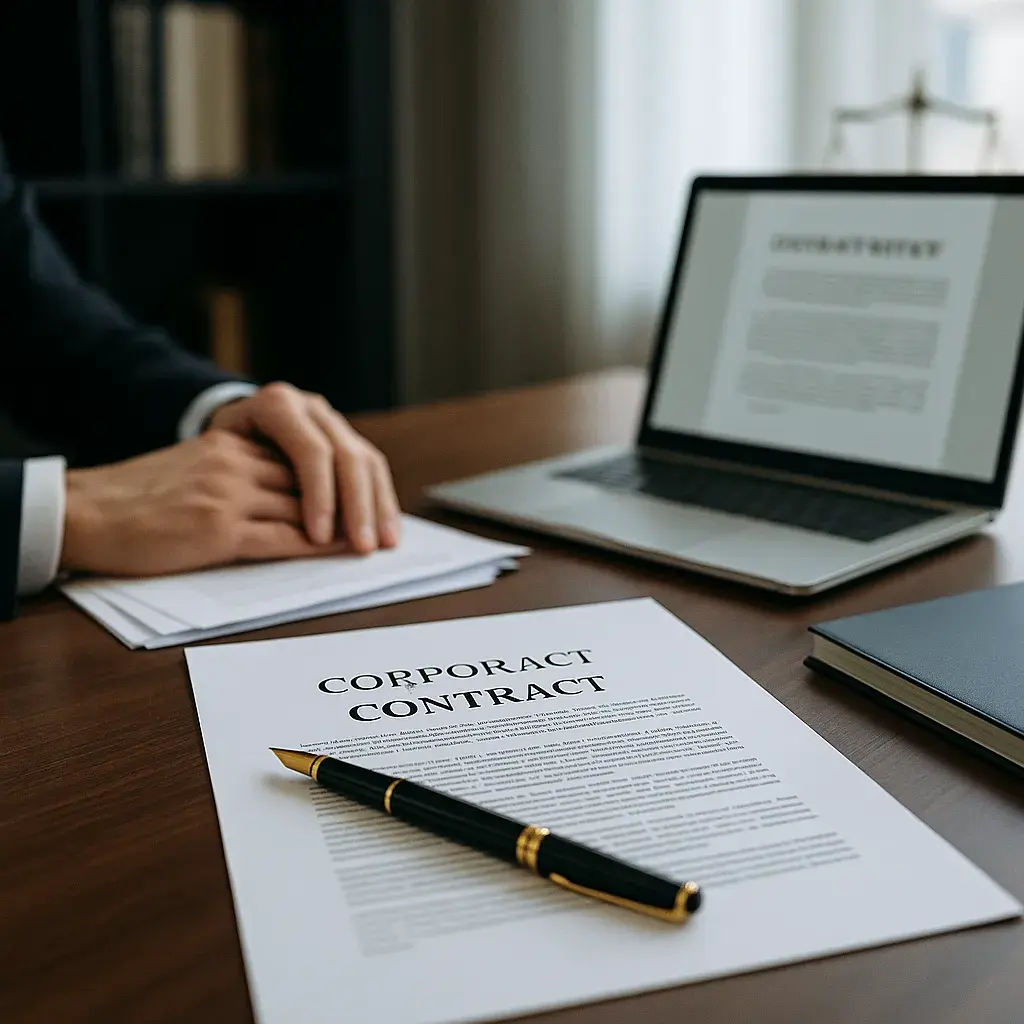
Which Legal Options Exist When Derivatives Law Is Violated?
Derivatives law governs the legal frameworks around financial instruments whose value derives from underlying assets, indices, or rates, and understanding its scope helps consumers recognize when financial products may carry hidden complexity and regulatory oversight. As a consumer, you may encounter derivatives in retirement accounts, insurance products, or investment portfolios without realizing the specialized regulatory regime that applies. Derivatives include futures, options, swaps, and structured notes, each subject to different federal and state rules. The regulatory landscape involves multiple agencies, disclosure requirements, and suitability standards that protect market participants, but also create procedural and substantive risks when disputes arise.
اقرأ المزيد
