




المعلومات القانونية

A Cross-Border Fto Attorney Assesses Global Patent Risk
A cross-border IP freedom to operate FTO legal review attorney assesses patent risks and supports safer global market entry. For companies expanding internationally, the practical question is not whether every possible patent risk can be eliminated. The goal is to identify material exposure in the markets that matter, determine how existing patent claims affect commercialization, and decide whether licensing, design changes, contractual protection, or a different market-entry strategy is appropriate.
اقرأ المزيد

Tax Debt Relief: How Can Taxpayers Reduce IRS Liabilities?
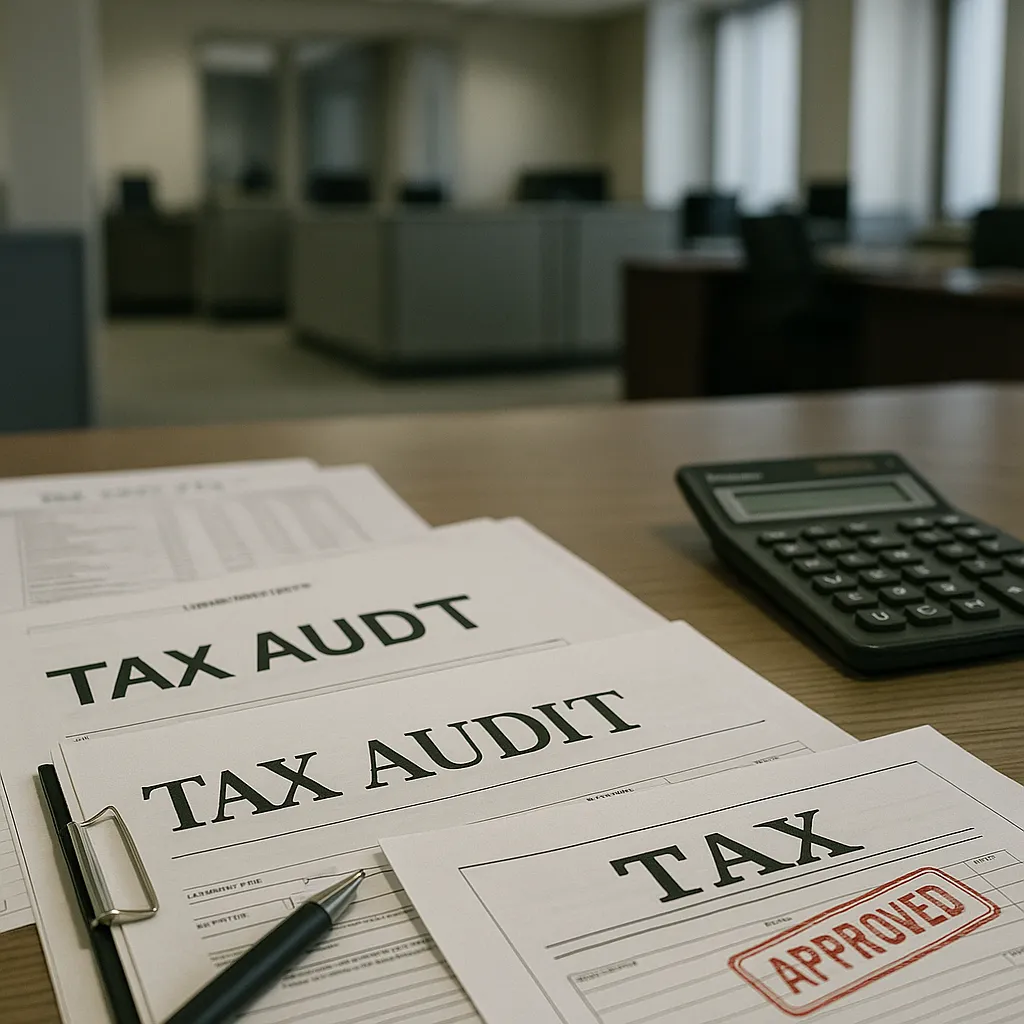
Tax debt relief refers to the legal mechanisms and programs that allow taxpayers to reduce, restructure, or discharge federal or state tax liabilities through negotiation, installment plans, or formal proceedings. The Internal Revenue Service and state tax authorities maintain statutory authority to offer relief options when a taxpayer demonstrates financial hardship or disputes the underlying tax assessment. Understanding which relief pathway applies to your situation requires knowledge of eligibility criteria, procedural deadlines, and the evidentiary standards that govern each option. This article examines the primary relief mechanisms available to individual taxpayers, the documentation required to support a relief claim, and the strategic considerations that affect timing and outcome.
اقرأ المزيد
Debt Repayment Terms: How Do They Work under New York Law?
New York credit agreements enforce debt repayment terms through legal schedules, interest limits, default penalties, and acceleration clauses. Borrowers and creditors must align with state financial regulations to maintain valid terms. Proper contract drafting prevents unexpected default enforcement and clarifies legal remedies for payment disputes.
اقرأ المزيد

How Does the Criminal Trial Process Work in New York?
A criminal trial in New York follows a strict sequence from jury selection and the burden of proof to evidence rules and the final verdict, giving defendants a clear path to protect their rights. A criminal trial in New York is a structured legal proceeding governed by strict procedural and evidentiary rules, and every phase from jury selection to the final verdict follows a defined sequence that determines what evidence is admitted and how guilt is measured. I have seen firsthand how even well-intentioned defendants are caught off guard by the complexity of the criminal trial process, particularly when it comes to the beyond-a-reasonable-doubt standard and the rights available to the defense. Understanding how the criminal trial process unfolds in New York courts is not just a legal formality; it is the foundation of an effective defense strategy. This guide walks you through each stage, so you know exactly what to expect and how to protect your rights.
اقرأ المزيد

Understanding New York Squatter Laws, Possession Rights, and Eviction
Three key possession points from New York attorney: Adverse possession requires ten years of continuous occupancy, property owner must act quickly to remove unauthorized occupants, and eviction through Housing Court is the primary legal remedy.New York squatter laws create a complex landscape where unauthorized occupants may gain legal rights if they remain on a property long enough, yet property owners retain powerful tools to reclaim their land. Understanding the distinction between a trespasser and someone claiming adverse possession, and knowing when to pursue eviction, is critical for protecting your real estate interests. This article examines how New York courts approach squatter possession claims and what strategic steps property owners should take.
اقرأ المزيد

What Is the Green Light Law? Understanding Multi-Vehicle Accident Liability
Green Light Law key points: Expanded options for non-economic damages through the new basic economic loss threshold, the application of modified comparative negligence in complex collisions, and the critical role of medical evidence in meeting litigation requirements.The Green Light Law in New York State represents a significant shift in how liability is determined in motor vehicle accidents, particularly in multi-vehicle collisions. Enacted in 2019, this law fundamentally changed New York's no-fault insurance system and established new rules for establishing fault in accidents. Understanding how the Green Light Law applies to multi-vehicle accidents is essential for anyone involved in a crash with multiple vehicles.
اقرأ المزيد
