




المعلومات القانونية

How Does an Ai Training Data Copyright Advisory Attorney Protect Model IP?
The copying happens before the model is trained. Assembling a dataset reproduces the works, so fair use is assessed on that act as well as on the output, and after Warhol v. Goldsmith (2023) the first factor turns on whether the use serves a purpose sufficiently distinct from the original’s. Early rulings have split on that question. In Thomson Reuters v. Ross Intelligence (D. Del. 2025) the court rejected fair use where the model competed with the plaintiff’s own product, while Bartz v. Anthropic and Kadrey v. Meta (N.D. Cal. 2025) found training itself transformative but treated the source of the copies separately, with pirated material falling outside the defense. That distinction is what the audit is for. A dataset record that identifies each source, the terms under which it was obtained, and whether a technical restriction was circumvented determines which defense is available, and removing a work’s copyright notice during processing raises a separate claim under 17 U.S.C. § 1202.
اقرأ المزيد

How Can an Immigration Lawyer in Brooklyn Help Navigate Your Case?
An immigration lawyer in Brooklyn assists individuals, families, and businesses facing visa denials, deportation proceedings, green card applications, naturalization, and employment authorization challenges. Immigration law combines federal statutes, agency regulations, and case precedent that shift frequently. Eligibility for relief often hinges on precise timing, complete documentation, and correct procedural posture before USCIS, the immigration court, or the Board of Immigration Appeals. Your success depends on understanding the specific burden of proof, available defenses, and filing deadlines that apply to your case type.
اقرأ المزيد

Criminal Defense in Manhattan Depends on Charges and Court Rules
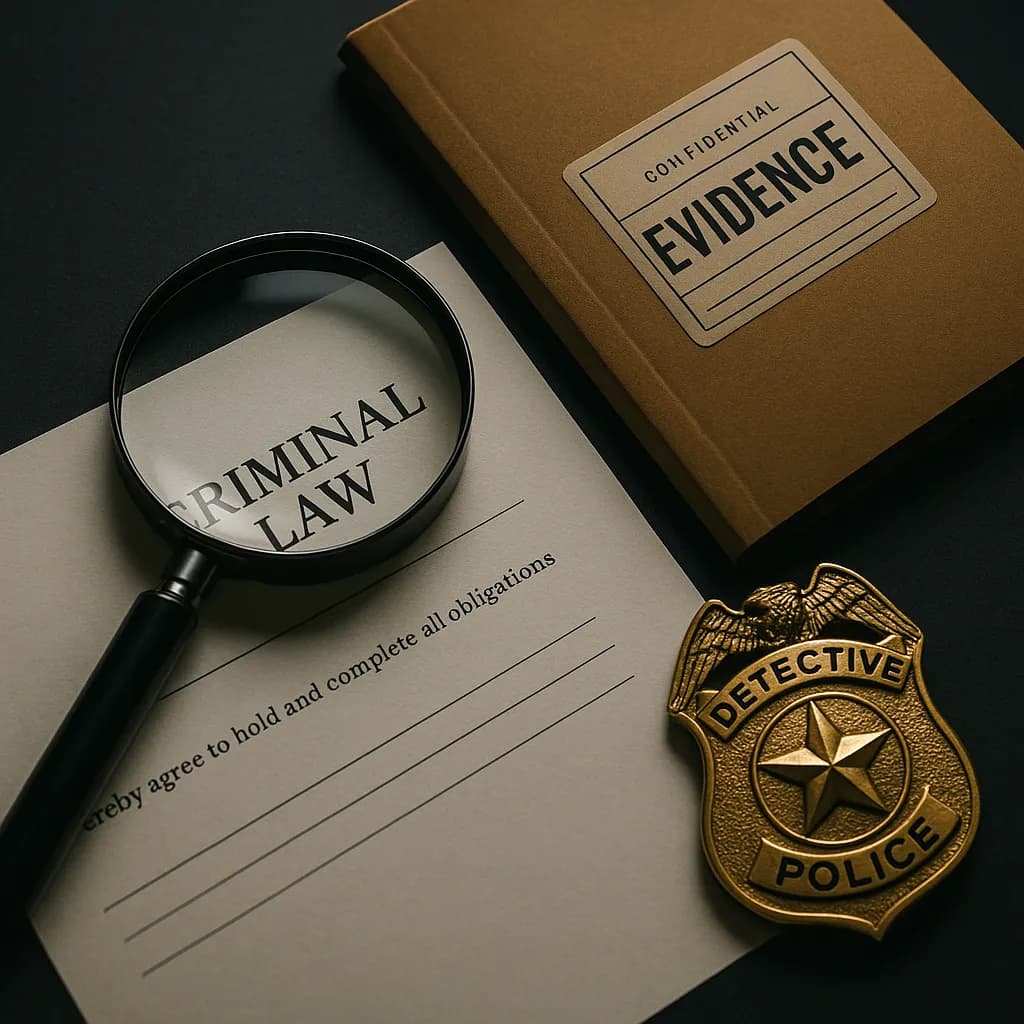
Criminal defense in Manhattan depends on whether prosecutors bring state or federal charges, which follow different laws and procedures. Misdemeanors generally proceed in Criminal Court; felony cases may begin there before moving to Supreme Court, Criminal Term. At arraignment, the court explains the charges and addresses counsel and release conditions. Charging papers, court notices, and preserved messages or video can help identify issues to review before the next appearance.
اقرأ المزيد
Eviction in Queens Follows Different Notice and Court Procedures
Eviction in Queens generally requires the proper legal notices and a Housing Court proceeding before a tenant can be removed. Nonpayment cases require a 14-day written rent demand, while holdover notices depend on the reason for ending occupancy. Landlords and tenants should review the lease, payment records, and proof of service to assess whether the notice is valid. A court filing alone does not authorize removal; an authorized officer must execute a court-issued warrant.
اقرأ المزيد

Breach of Fiduciary Duty on Long Island and Where to File
Breach of fiduciary duty on Long Island may support a civil claim when a fiduciary relationship, a breach, and resulting harm can be shown. New York law governs state-court filing, while an entity's governing law may affect who can sue. Nassau and Suffolk courts follow the same statewide procedures but differ in Commercial Division thresholds and e-filing rules. Agreements, transaction records, and dates help determine the proper claim and court.
اقرأ المزيد
Manhattan Probate Starts with a Petition and Notice to Heirs
Manhattan probate typically begins with a petition to admit a will in New York County Surrogate's Court when that county is the proper venue. Venue usually follows the decedent's domicile, with separate rules for nonresidents who left property in New York. Distributees generally must receive a citation unless they are petitioners or waive service; others may require notice. If the court admits the will, an eligible executor may receive letters testamentary to administer the estate.
اقرأ المزيد
