المعلومات القانونية

Copyright Act Rights and Remedies: What Creators Need to Know
Key 3 Things to Know About the Copyright Act:Automatic protection upon creation, Exclusive rights and enforcement remedies, Registration benefits and fair use rules The Copyright Act represents the foundation of intellectual property protection in the United States, establishing the legal framework that grants creators exclusive rights to their original works. This federal statute protects literary, musical, dramatic, choreographic, pictorial, graphic, sculptural, and audiovisual creations from unauthorized use and reproduction. Understanding the Copyright Act is essential for creators, businesses, and anyone seeking to protect their creative output or navigate licensing requirements. The law provides remedies for infringement and establishes procedures for registration, enforcement, and dispute resolution. Whether you are an artist, author, software developer, or business owner, knowledge of the Copyright Act directly impacts your ability to safeguard your intellectual property and avoid legal liability.
اقرأ المزيد

What Should You Know about the Insurance Claim Review Process and Your Rights
Insurance claim review: three key insightsunderstanding the evaluation process, responding to claim denials and disputes, protecting your compensation rights An insurance claim review is a critical process that evaluates your coverage, policy terms, and the validity of your claim before settlement. Whether you are dealing with property damage, personal injury, or liability issues, understanding how insurance claim review works in New York can help protect your interests and ensure fair compensation. This guide explains the key aspects of the review process and your rights as a policyholder.
اقرأ المزيد

Child Custody Explained What Every Parent Needs to Know
A child custody dispute in Washington D.C. .s one of the most emotionally and legally complex challenges a parent can face. These disputes often emerge during the intense atmosphere of divorce proceedings, requiring a precise and objective understanding of local welfare standards. This guide provides an in-depth look at the resolution methods and legal criteria used by the D.C. Superior Court to help parents navigate these conflicts while protecting their child's best interests. By understanding the judicial framework, parents can better prepare for a future that ensures their child's ongoing development and emotional security.
اقرأ المزيد

Sec Disclosure Compliance Legal Opinion Letter for Ipo Attorney in NYC
Two documents come out of an offering, and they do different work. The legal opinion states conclusions. That the issuer is validly existing, that the shares are duly authorized and validly issued, fully paid and non-assessable, that the underwriting agreement was properly authorized and executed. These are legal determinations, and counsel is answerable for them. The negative assurance letter states the absence of belief. It says nothing came to counsel's attention causing them to believe the registration statement contains a material misstatement or omission. It is not an opinion, and it is deliberately not one. The second document is what underwriters are buying. Section 11 imposes liability on the issuer without regard to fault, and no opinion changes that. Underwriters, directors, and signing officers have a due diligence defense — and the record supporting it consists of the diligence performed, the drafting sessions attended, and the negative assurance received. The letter is evidence that the defense exists. Which is why the diligence has to be real. Counsel giving negative assurance without having done the work is exposed personally, and the letter does not protect anyone if the process behind it was thin. The opinion also depends on facts counsel cannot verify alone. Capitalization, board authorization, and prior issuances are supported by officer certificates and secretary's certificates. Where the corporate record is incomplete, the opinion cannot be given until it is fixed — which is why cap table cleanup happens well before the closing calendar.
اقرأ المزيد
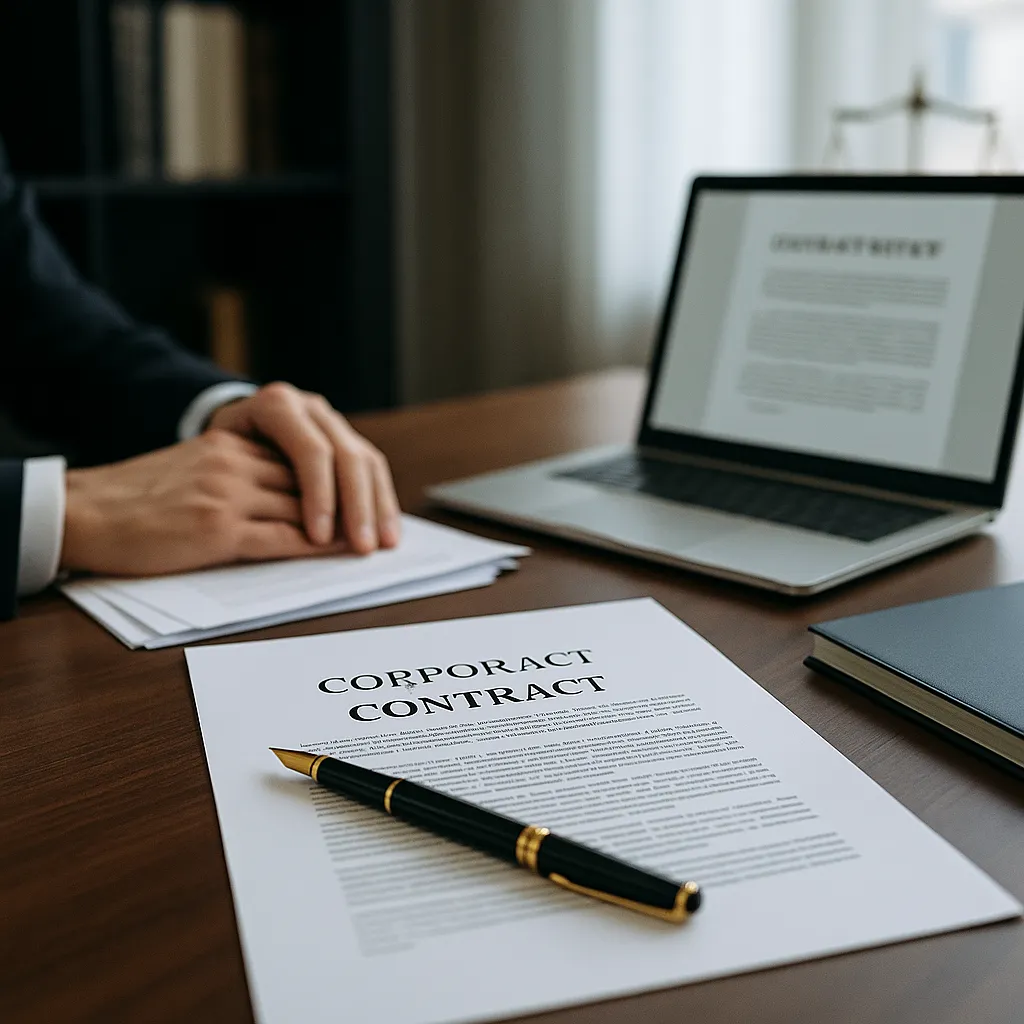
Safeguarding Your Capital Via Insurance Rights and Policy Remedies
Insurance serves as a foundational risk management tool for investors, protecting capital and operations across multiple asset classes and business structures. Understanding insurance coverage requires clarity on what types of policies address specific investment risks, how coverage gaps expose portfolio interests, and when policy terms create disputes that affect recovery. From a practitioner's perspective, investors often discover that standard commercial policies contain exclusions or limitations that do not align with their actual exposure, leaving significant gaps in protection. The interplay between policy language, claims procedures, and the insurer's duty to defend creates procedural complexity that can determine whether a loss is recoverable or left uncompensated.
اقرأ المزيد

What You Need to Know about Media Litigation : Key Principles and Strategic Defenses
Media litigation encompasses disputes over content, publication rights, defamation claims, privacy violations, and regulatory compliance that arise when news organizations, broadcasters, and digital publishers face legal challenges. These disputes often involve competing interests between First Amendment protections and the rights of individuals or entities harmed by publication. The litigation process typically requires early assessment of whether a claim can survive anti-SLAPP motions or summary judgment based on the strength of the underlying legal theory. Understanding the procedural landscape and the standards courts apply to media defendants helps parties evaluate settlement leverage, discovery scope, and the likelihood of resolution at various stages.
اقرأ المزيد