المعلومات القانونية

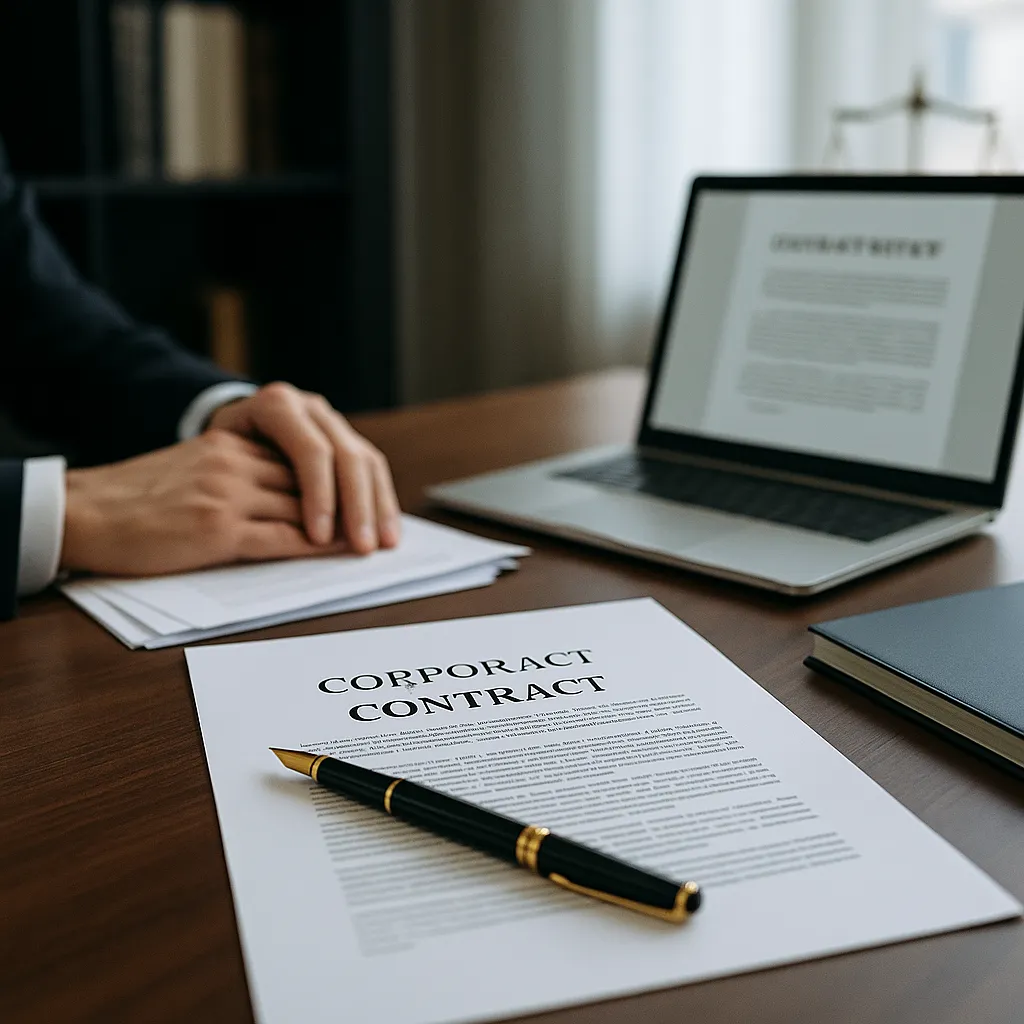
When Form 20-F Filing Is Required for Foreign Private Issuers
Form 20-F filing requirements depend on foreign private issuer status, SEC registration, annual reporting duties, and corporate changes. Foreign private issuers do not file Form 20-F simply because U.S. .nvestors own their securities. Exchange Act registration or Section 15(d) reporting obligations may require the form. Cross-listings, acquisitions, and deregistration can also affect disclosures, filing deadlines, and whether reporting continues.
اقرأ المزيد

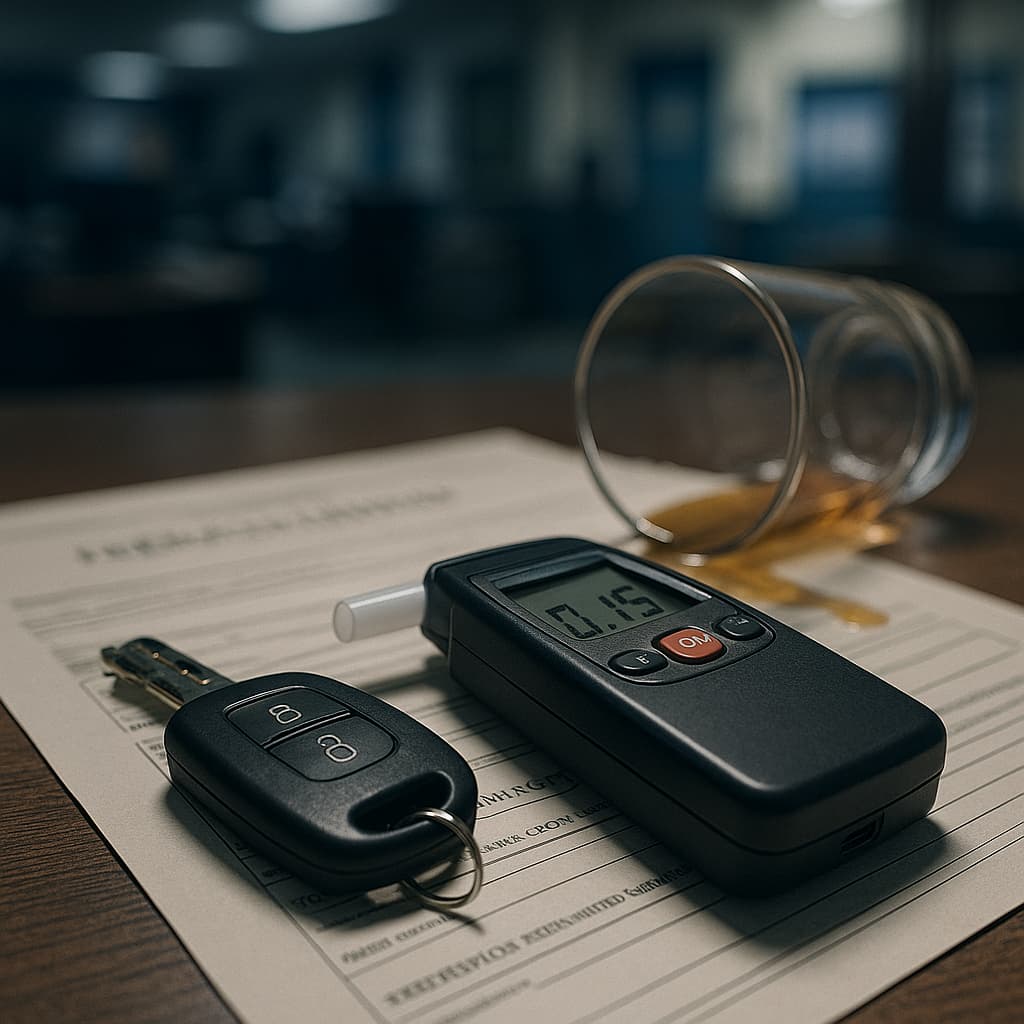
DWI Arraignment: What Will the Court Decide at Your First Hearing?
DWI arraignment addresses the charges, your right to an attorney, release, and next steps; it may also affect your driving privileges. In New York, the procedure depends on the charging document and whether the case involves a misdemeanor or felony. Being released does not mean you may drive home. Before court, confirm your representation, arrange transportation, and prepare to review any release conditions, license suspension order, and next court date.
اقرأ المزيد
Filing a Class Action Lawsuit: Requirements and Process
Filing a class action lawsuit requires meeting New York or federal certification rules on common claims and representation. Claims involving a common business practice, defective product, wage policy, or other repeated conduct may be suitable for class treatment when shared issues outweigh individual ones. The applicable requirements depend on the claims, the proposed class, and whether the case belongs in New York state or federal court.
اقرأ المزيد
How Do Lgbtq Employment Discrimination Claims Proceed?
LGBTQ employment discrimination claims in California generally require a CRD complaint and Right-to-Sue notice before a private FEHA lawsuit.CRD mediation pauses certain complaint deadlines during the mediation period. A claim may proceed through agency investigation or mediation before moving to civil litigation, depending on the procedure selected. Available remedies may include back pay, emotional distress damages, and attorney's fees where authorized.
اقرأ المزيد
How Nursing Home Abuse Lawyer California Options Differ in State Vs. Federal Court
A California nursing home abuse lawyer evaluates facility ownership and civil rights violations to select the appropriate court for an elder neglect claim. Most private facility lawsuits proceed through California Superior Court under state elder protection laws. Federal court filings generally require constitutional claims against government entities or complete diversity of citizenship. Determining the proper forum impacts litigation timelines, evidence rules, and statutory remedies for injured residents and surviving family members.
اقرأ المزيد

Hs Code Binding Ruling Appeal Attorney in Manhattan for Cbp Disputes
HS code tariff classification appeal attorney in Manhattan assists importers with customs protests and binding ruling appeals. Challenging an adverse tariff classification by U.S. Customs and Border Protection requires prompt legal action. Importers face additional duty assessments, interest, penalties, and potential trade disruptions on contested import entries. Partnering with a skilled attorney protects commercial interests, supports administrative protest compliance, and preserves judicial review rights before the U.S. Court of International Trade.
اقرأ المزيد