




Información legal

Project Finance Transaction Structure in New York: Key Legal Strategies
Understand how project finance transaction structures allocate risk through SPVs, financing arrangements, lender protections, and contractual safeguards under New York law. A well-designed project finance transaction structure separates project assets, liabilities, and cash flow from the sponsor while allocating risks among lenders, investors, contractors, and other stakeholders. In New York, every project finance transaction structure should be reviewed carefully to confirm that financing documents, security interests, and contractual obligations work together as intended. From my experience, many project finance transaction structure disputes arise because governance provisions or payment priorities were not fully addressed before closing rather than because financing itself failed.
Leer más

How a Personal Injury Attorney in Bronx NY Guides You through a Personal Injury Lawsuit
3 Key Personal Injury Lawsuit Insights from a Bronx NY Attorney:• New York’s three-year statute of limitations strictly applies, and missing the deadline can permanently bar your claim.• Comparative negligence allows recovery even if you share fault, but your compensation is reduced based on your percentage of responsibility.• Strong evidence and early investigation are critical, as most cases settle before trial based on the quality of proof presented.
Leer más

Why Entertainment Law Requires an Experienced Entertainment Attorney in New York
Three key entertainment law points from a lawyer New York attorney: Contract negotiation protects your rights, IP ownership disputes require early counsel, and New York courts favor clear written terms. Entertainment law in New York touches nearly every creative transaction, from recording contracts and publishing agreements to film production deals and talent representation. Whether you are an artist, producer, filmmaker, or production company, the stakes are high: a poorly drafted agreement can cost years of earnings, and disputes over intellectual property ownership can derail entire projects. An entertainment attorney in New York understands both the creative industry and the legal landscape that governs it. This guide explains the core issues that create legal risk, how New York courts and tribunals handle entertainment disputes, and when early counsel becomes essential.
Leer más

Copyright Litigation Defense: Key Rights and Strategies in New York
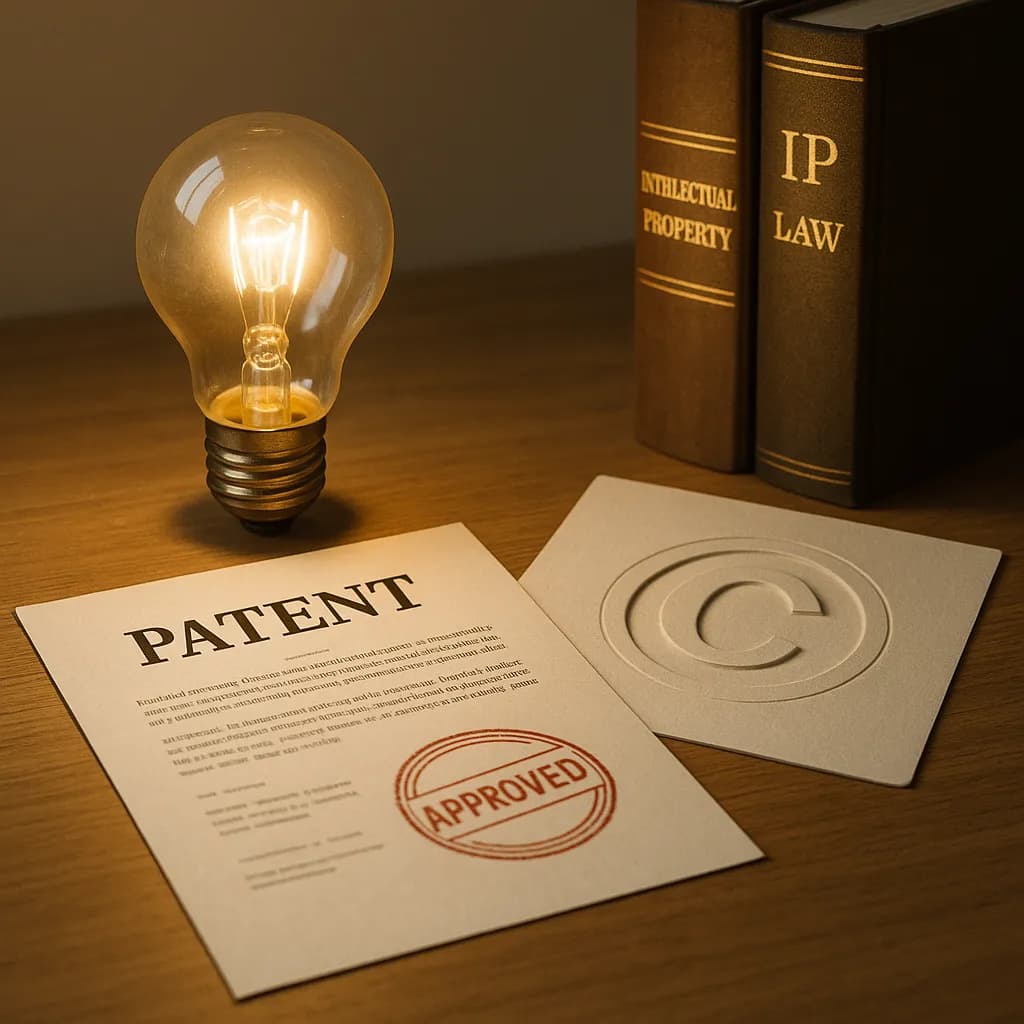
A copyright claim is heard only in federal court (28 U.S.C. § 1338), and the first questions a defendant asks are about the plaintiff's position rather than its own. Registration comes first. Under 17 U.S.C. § 411(a), an infringement action cannot be brought until the Copyright Office has acted on the application — the Supreme Court held in Fourth Estate Public Benefit Corp. .. Wall-Street.com, 586 U.S. 296 (2019), that filing alone is not enough. Then § 412: unless the work was registered before the infringement began, or within three months of publication, the plaintiff cannot recover statutory damages or attorney's fees. That single provision often determines whether the exposure is up to $150,000 per work or the actual damages the plaintiff can prove, which in turn determines whether the case is worth litigating. On the merits, the burdens differ. Independent creation is not an affirmative defense; it defeats the plaintiff's own burden to prove copying. A license or authorization is an affirmative defense, as is fair use under § 107 — and fair use analysis has narrowed. Andy Warhol Foundation v. Goldsmith, 598 U.S. 508 (2023), directed the first factor to the specific purpose of the challenged use and its commercial character, so a claim that a work is transformative carries less on its own than it did before. Claims are also subject to the three-year period in § 507(b). Counsel's role at the outset is to evaluate the registration record and the timeline, preserve the files and communications that establish when and how the work was created, and respond to the demand on that basis.
Leer más
Remove Unauthorised Construction
Removing unauthorised construction in New York involves a complex legal process mandated by local building codes and safety regulations. The act to remove unauthorised construction is necessary when structures are built without proper permits, posing risks to public safety and property values. This guide provides a comprehensive overview of the reporting, legal procedures, and penalties associated with unpermitted builds. By following these established guidelines, property owners can ensure compliance and avoid the severe financial repercussions of illegal developments.
Leer más

What Oil & Gas Compliance Rules Dictate Energy Operations?
Oil and gas companies operate under a layered compliance framework that touches exploration permits, production standards, environmental safeguards, and reporting obligations at federal, state, and local levels. Regulatory violations in this sector can trigger enforcement actions, operational shutdowns, and significant financial exposure, making it critical to understand which requirements apply to your specific asset and operational stage. Oil and Gas Law encompasses technical standards for well design, casing, and pressure control; environmental protocols for produced water and emissions; and financial reporting tied to production volumes and royalty obligations. State agencies typically hold primary jurisdiction over onshore operations, while the Bureau of Land Management oversees federal leases and the Outer Continental Shelf Lands Act governs offshore activity.
Leer más
