




Información legal

Civil Lawsuit for Sexual Assault: Rights and Action Steps
A civil case does not require a police report, a prosecution, or a conviction. The standard of proof is lower. A criminal case requires proof beyond a reasonable doubt. A civil claim requires only that your account be more likely than not. Cases that were declined by prosecutors, or that ended in acquittal, can still succeed here. And you decide how it proceeds. In a criminal case the prosecutor controls the charges, the plea, and whether the matter moves forward at all. In a civil case those decisions are yours. Claims often reach beyond the individual. Schools, employers, religious organizations, and residential facilities can be liable for negligent hiring, supervision, or retention where they knew or should have known of the risk. As a practical matter this frequently determines whether a judgment can be collected — institutions carry insurance, and individual defendants often have nothing. Privacy protections are available. Courts have permitted survivors to proceed under a pseudonym in appropriate cases, and settlement terms can address confidentiality.Whether a claim is still open depends on when the conduct occurred, and the answer is more often yes than people expect. That question can be answered without committing to anything further.
Leer más

What Do Debt Collection Attorney Services Include in Debt Recovery?
Debt collection attorney services include claim evaluation, legal representation, settlement negotiations, litigation, and judgment enforcement. Debt collection attorney services help evaluate claims, defenses, settlement options, and bankruptcy considerations. Attorneys review contracts, court filings, payment records, and enforcement issues before recommending an appropriate legal strategy. Debt collection attorney services may involve negotiation, litigation, or judgment enforcement, and debt collection attorney services support informed decisions throughout the debt recovery process.
Leer más

Call Recording Evidence
Call recordings are often essential in both civil and criminal litigation, serving as powerful evidence in disputes ranging from contract disagreements to family law matters. In Washington D.C., the law provides a specific framework for their legality, focusing on the concept of consent. Specifically, if the person making the recording is one of the parties in the call, the recording may be legally valid even without the other party's explicit consent, adhering to the "one-party consent" rule. However, a critical caveat exists: even a legally obtained recording is not guaranteed admissibility, as courts may still deem it inadmissible if the content or method of recording constitutes a serious invasion of privacy.
Leer más

M&A Near Me: Steps to Identify and Evaluate Nearby Law Firms
Mergers and acquisitions require a structured legal framework that protects your corporate interests across multiple jurisdictions and operational phases. From a practitioner's perspective, the core challenge in M&A is managing parallel legal tracks: due diligence, regulatory clearance, and deal documentation all move on different timelines. A corporation must understand how state law, federal antitrust rules, and industry-specific regulations intersect to shape deal risk. Early identification of structural issues, such as license transferability, material contract consents, or contingent liabilities, can prevent costly delays or deal collapse after signing.
Leer más
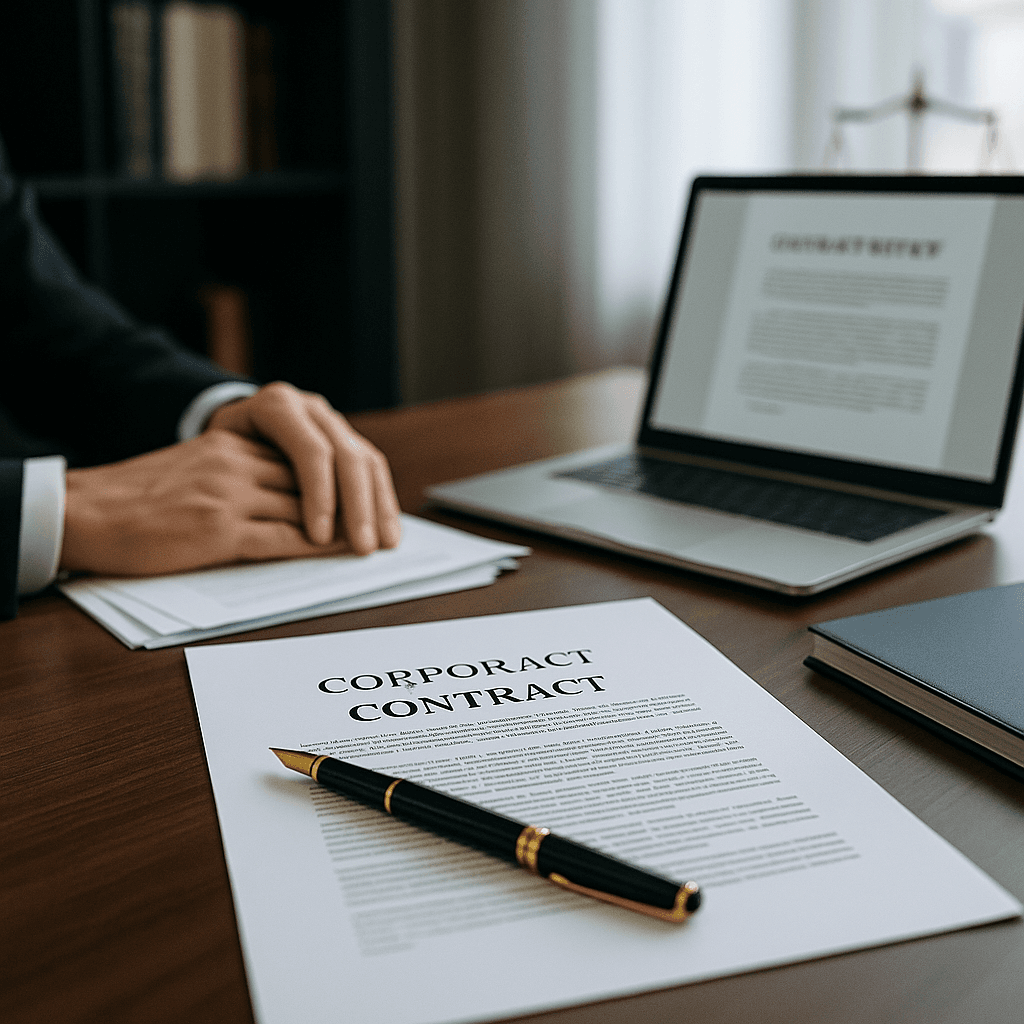
Why You Need 24 Hour Civil Lawyer?
A 24 hour civil lawyer provides immediate legal support for urgent civil disputes through emergency filings, evidence preservation, temporary restraining orders, and strategic action to protect your rights. A 24 hour civil lawyer helps protect your rights when urgent civil disputes require immediate action outside normal business hours. Whether you face emergency contract disputes, property conflicts, or court deadlines, a 24 hour civil lawyer provides prompt legal guidance, emergency filings, and evidence preservation. Consulting a 24 hour civil lawyer early helps reduce legal risks, strengthen your position, and prevent irreversible financial or procedural consequences.
Leer más

How Can Enforcement of Judgments Assist in Recovering Assets?
Judgment enforcement is a critical legal process for creditors seeking to collect debts from a debtor who has failed to comply with a court-ordered payment. This procedure is particularly vital when the debtor’s assets are unknown or hidden, as it provides a structured framework to uncover them. It allows a creditor to legally compel the disclosure of the debtor's financial and property holdings, paving the way for collection actions like levies and garnishments. Navigating this process effectively requires a deep understanding of New York's Civil Practice Law and Rules (CPLR) and the various tools available to creditors.
Leer más
