Información legal

Fabrication of Evidence with Malicious Intent
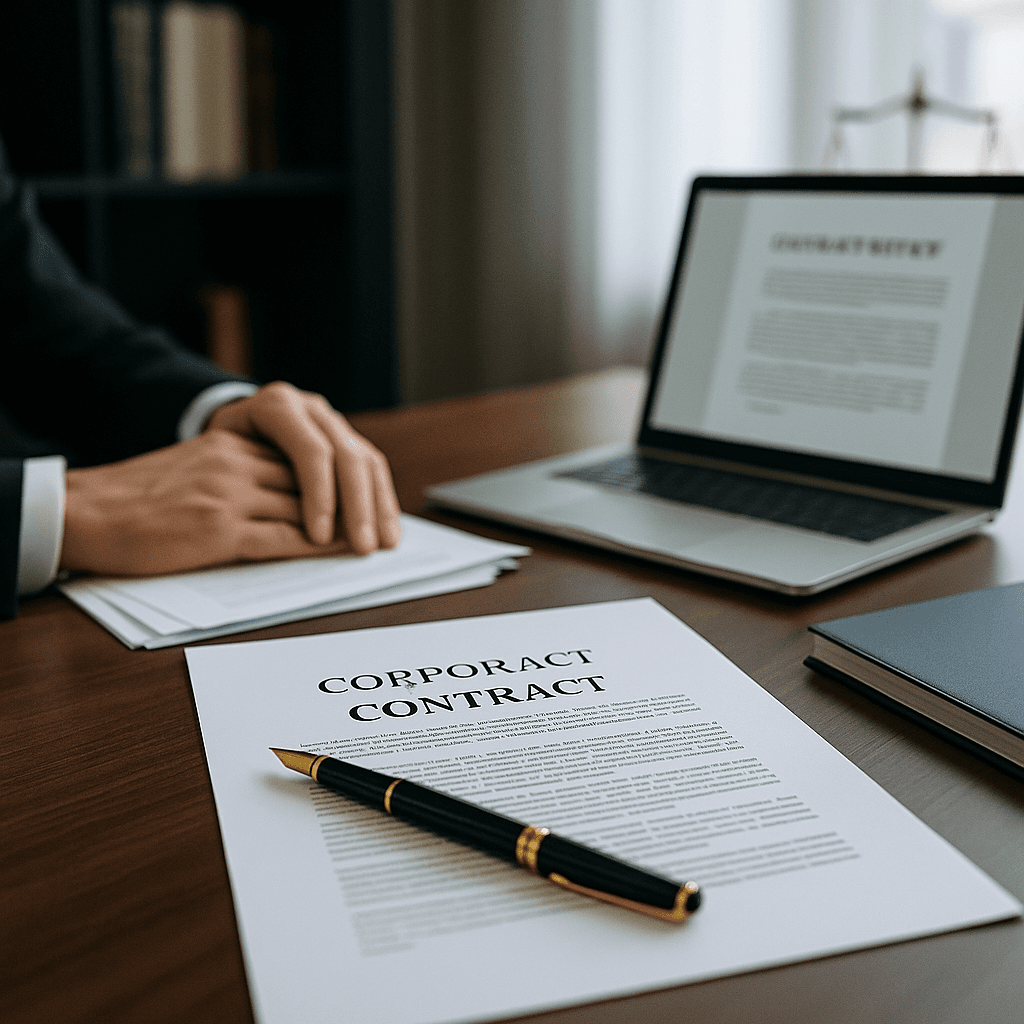
In Washington, D.C., fabricating or falsifying evidence in order to interfere with an official proceeding or wrongfully harm another individual may constitute obstruction of justice under D.C. Code § 22–722. This offense is treated as a serious felony because such conduct threatens the integrity of the judicial process. This article explains how evidence fabrication fits within the obstruction statute, the legal elements prosecutors must prove, the applicable sentencing framework, and potential defense strategies under District of Columbia law.
Leer más
Corporate Governance Litigation and Shareholder Disputes
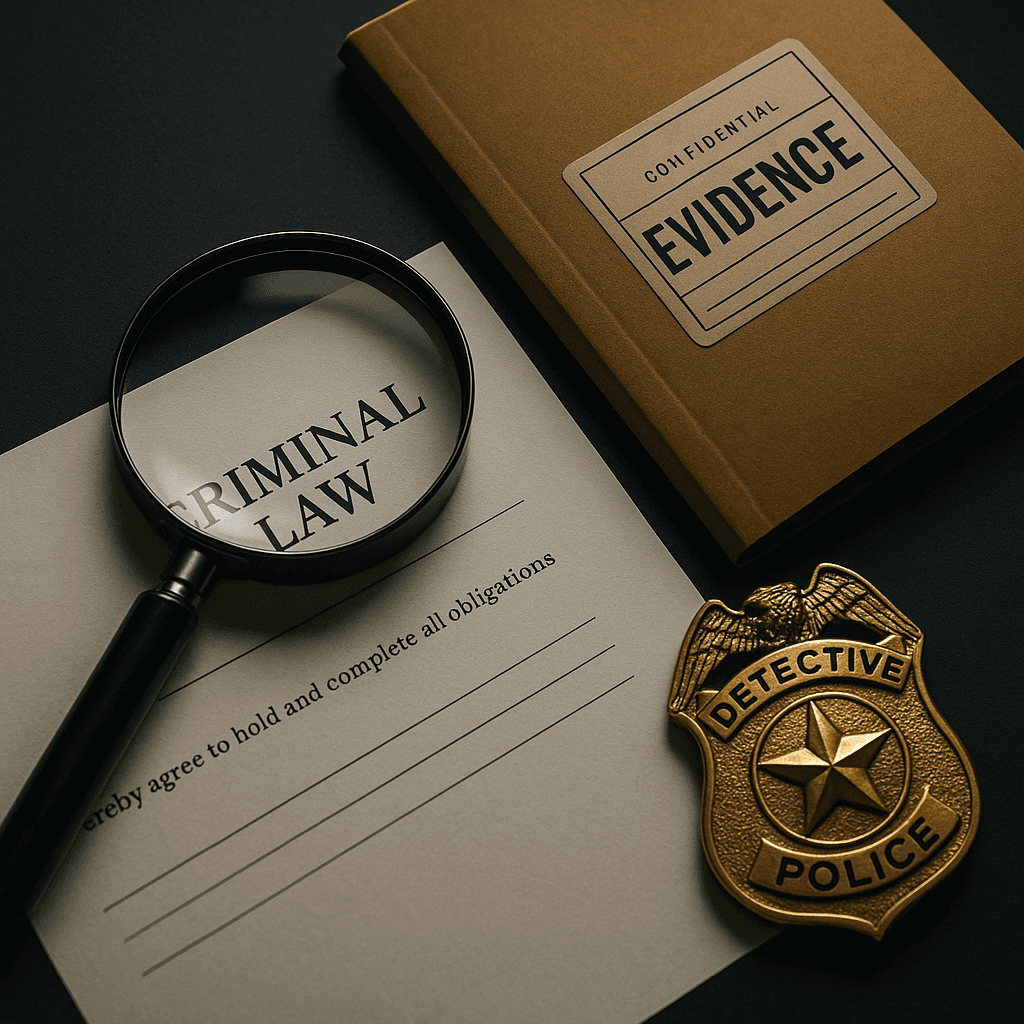
Corporate governance litigation resolves through multiple procedural pathways, each with distinct timing, evidentiary burdens, and consequences for shareholder rights and board accountability. Unlike transactional corporate law, governance disputes involve competing fiduciary duties, statutory standards of review, and judicial discretion to craft remedies that reshape corporate decision-making. The procedural framework in New York courts distinguishes between derivative claims (brought on behalf of the corporation), direct shareholder claims, and class actions, each triggering different pleading standards and discovery obligations. Understanding how courts evaluate these dispositions early in litigation determines whether claims survive summary judgment, proceed to trial, or settle within the framework of judicial oversight.
Leer más

What Are the Severe Residential Misrepresentation Penalties?
Falsifying your residential address in New York, defined as Residential Misrepresentation, is not a trivial offense. What may seem like an administrative misstep can trigger severe legal consequences under both local and state laws. This offense carries significant penalties when it involves seeking illegal advantages in areas such as housing benefits, public school assignments, or electoral fraud. The state views this act of providing false residential information as a deliberate attempt to deceive public systems for personal gain.
Leer más
What Legal Claims and Defenses Define Automotive Litigation?
Automotive litigation encompasses product liability, warranty disputes, franchise conflicts, and collision-related claims where the legal framework turns on contract interpretation, statutory consumer protections, and proof of defect or breach. For corporate participants in automotive disputes, understanding the threshold distinctions between warranty claims and tort-based product liability is critical because each carries different burdens of proof, damage caps, and procedural timelines. New York law recognizes both express warranties (manufacturer statements about vehicle performance) and implied warranties of merchantability, and courts increasingly scrutinize whether a defect existed at the time of sale or manifested afterward. The distinction between manufacturing defects, design defects, and failure-to-warn claims shapes discovery scope, expert testimony requirements, and settlement leverage.
Leer más
What Is Fraud and What Legal Consequences Can It Create?
Fraud can expose individuals and businesses to New York criminal charges, federal prosecution, civil claims, restitution, and regulatory action when intentional deception is used to obtain money, property, services, or another unlawful benefit. Fraud is not a single offense with one universal definition. In New York, deceptive conduct may be prosecuted as larceny by false pretenses, a scheme to defraud, falsifying business records, insurance fraud, health care fraud, welfare fraud, or another offense tied to the conduct and property involved. Federal law may apply when a scheme uses interstate electronic communications, the mail, federally regulated financial institutions, or federal benefit programs. Understanding which law applies often depends on the alleged misrepresentation, intent, method, loss, victims, and evidence.
Leer más
How Privacy Disputes Expose Corporations to Class Action and Regulatory Risk
Privacy disputes arise from unauthorized data collection or use, creating class action exposure and regulatory liability. Privacy disputes occur when personal data is collected or disclosed without consent, triggering statutory liability even without concrete harm under data breach notification rules, biometric statutes, HIPAA, and GLBA. Corporations face both individual-plaintiff and class action exposure, with certification multiplying discovery scope and settlement stakes.
Leer más