Información legal

Negligent Receipt of Stolen Property
Negligent receipt of stolen property refers to situations where a person unknowingly acquires stolen goods through professional negligence. In Washington D.C., this offense can still lead to criminal liability even in the absence of criminal intent, particularly when the actor should have been aware of red flags regarding the stolen property. This area of law underscores the legal expectation that businesses and professionals dealing in valuable goods must maintain a standard of diligence to avoid inadvertently participating in the trade of illicit merchandise, protecting the public from the circulation of stolen property.
Leer más

How Do Corporations Navigate Social Media Litigation?
Corporate social media disputes often hinge on the distinction between platform liability, user-generated content ownership, and the company's role as either publisher, participant, or target. When a corporation faces claims arising from social media activity, the legal framework depends on whether the company is defending against defamation, trademark infringement, privacy violations, or harassment allegations. The Communications Decency Act Section 230 may shield platforms from liability for third-party posts, but this protection does not extend to a company's own statements or actions. Understanding which legal theories apply and what evidence courts will scrutinize is essential for developing a credible defense or mitigation strategy early in the dispute.
Leer más

Understanding Perjury and Its Legal Penalties
Perjury, often referred to as false testimony, in New York is a serious criminal offense involving the intentional delivery of untruthful statements under oath or affirmation in a legal setting. This offense strikes at the core of judicial integrity and the reliability of legal proceedings, and it can result in severe penalties for perjury depending on its type and circumstances. This article explains the various classifications, statutory requirements, and possible consequences of providing false testimony in New York courts, focusing on the legal aspects of perjury.
Leer más

What Are the Defense Standards for Products Liability Litigation?
Pharmaceutical product liability claims present a distinct legal framework where manufacturing defects, design flaws, and inadequate warnings each trigger separate causation standards and require corporations to navigate parallel regulatory and tort liability exposure. Unlike consumer product cases, medicine law liability often hinges on whether a pharmaceutical manufacturer complied with FDA approval standards and post-market surveillance obligations. Corporate defendants must understand that regulatory compliance does not automatically shield them from tort liability, and conversely, a product's FDA approval does not eliminate the risk of design defect or failure-to-warn claims. The interplay between regulatory defense and common law negligence creates a layered litigation strategy that demands early attention to both the administrative record and the clinical evidence.
Leer más

What Is a Perjury Offense and What Are the Consequences?
In Washington D.C., perjury is considered a serious felony offense that fundamentally undermines the integrity and fairness of the judicial process. This comprehensive article explores the specific types of perjury-related offenses under local law, details their essential legal requirements, and outlines the significant potential consequences facing those accused in the District of Columbia.
Leer más
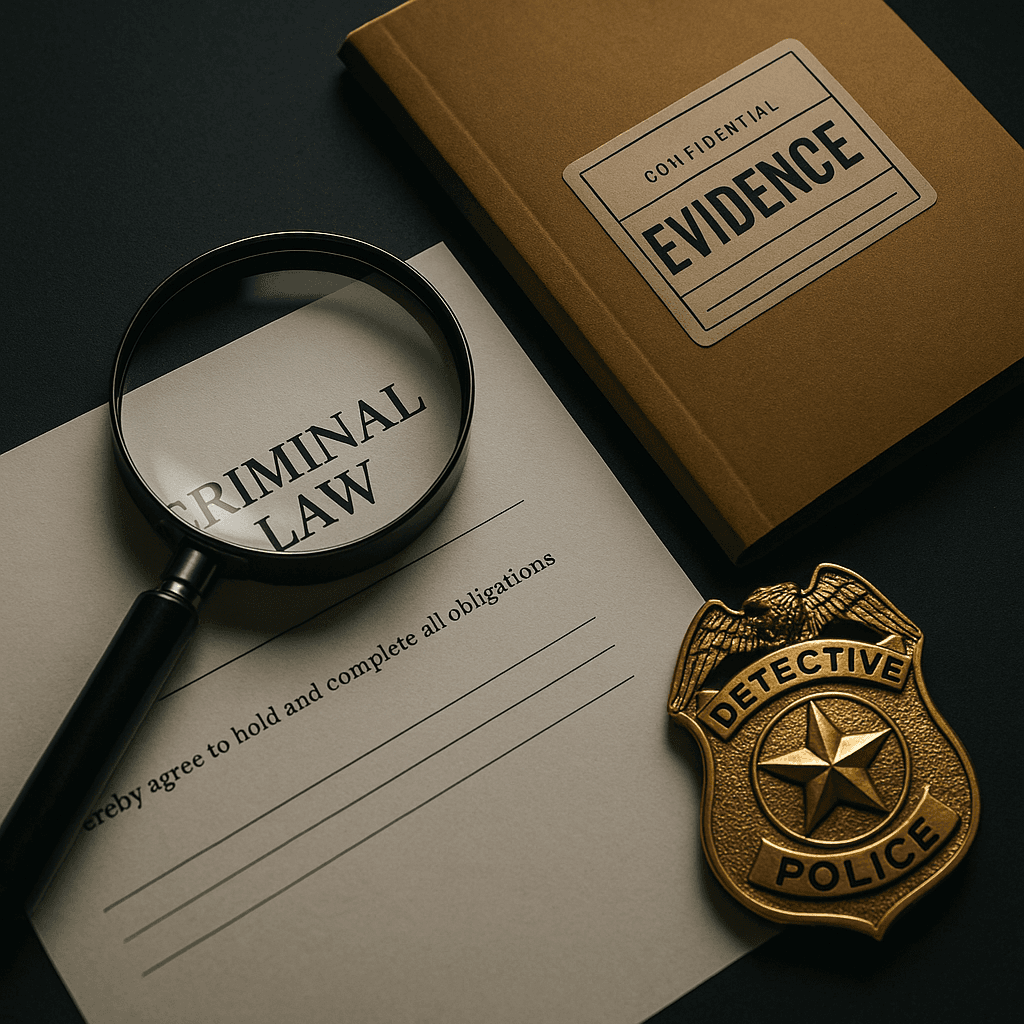
What Specific Actions Constitute Political Corruption As a Federal Crime?
Political corruption prosecuted as a federal crime involves the abuse of public office or the solicitation and receipt of bribes, kickbacks, or other illicit payments in connection with official duties, and carries penalties that extend far beyond incarceration to include asset forfeiture, restitution, and permanent loss of professional licensure. Federal corruption statutes cast a wide net, targeting not only elected officials but also appointed government employees, contractors, and private parties who participate in schemes to defraud the government or deprive citizens of honest services. The federal government pursues these cases through multiple statutes, each with distinct elements and proof requirements that prosecutors must establish beyond a reasonable doubt. Understanding the scope and mechanics of federal corruption law is critical for organizations, officers, and employees who operate in regulated industries or interact with government agencies, as the line between permissible business practice and criminal conduct can be subtle and fact-specific.
Leer más