




Información legal

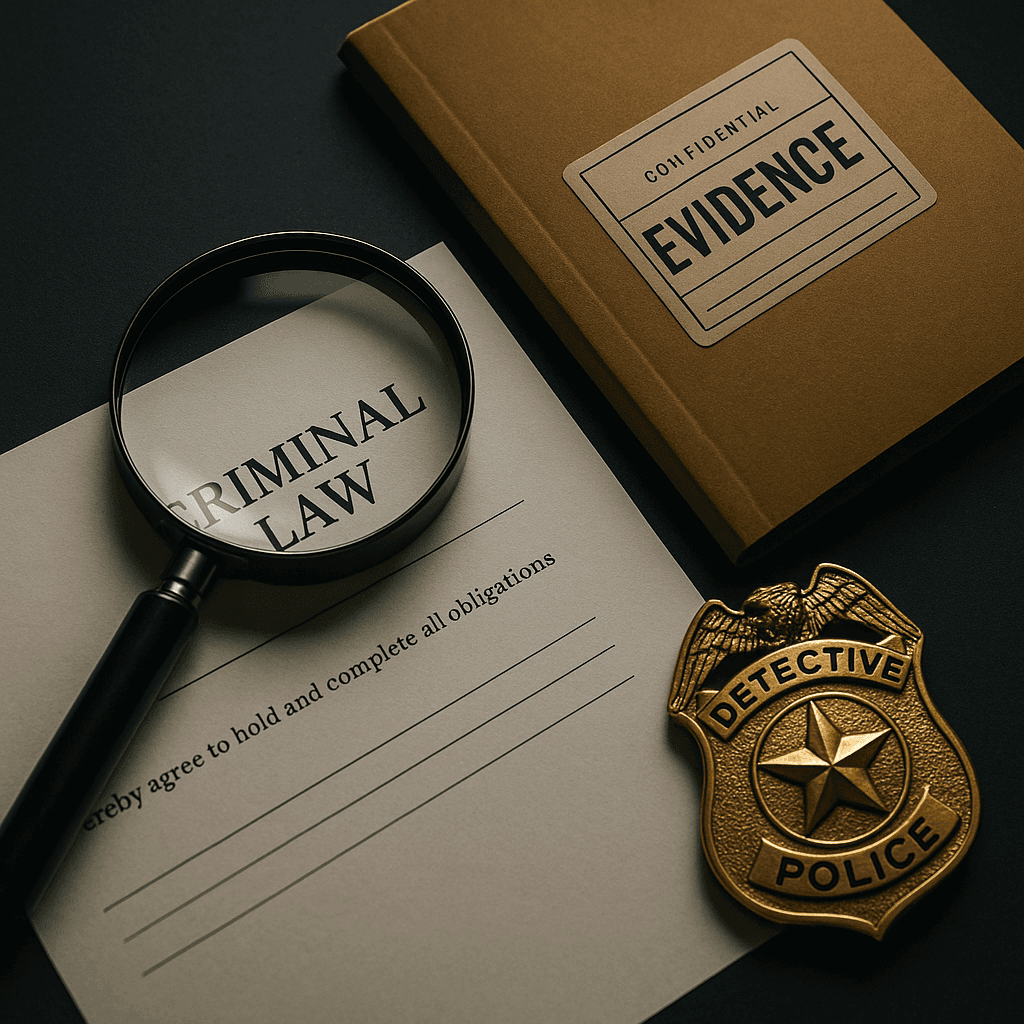
Hindering Prosecution
Assisting someone in evading law enforcement after they have committed a crime is a punishable offense under the state's criminal code in New York. Known legally as "hindering prosecution" rather than "harboring a criminal," this law penalizes individuals who aid fugitives, aiming to maintain the integrity of the justice system. This article explores the definition of the New York law regarding hindering prosecution, legal exceptions for family members, sentencing ranges, and relevant judicial interpretations.
Leer más
What Legal Claims and Defenses Define Automotive Litigation?
Automotive litigation encompasses product liability, warranty disputes, franchise conflicts, and collision-related claims where the legal framework turns on contract interpretation, statutory consumer protections, and proof of defect or breach. For corporate participants in automotive disputes, understanding the threshold distinctions between warranty claims and tort-based product liability is critical because each carries different burdens of proof, damage caps, and procedural timelines. New York law recognizes both express warranties (manufacturer statements about vehicle performance) and implied warranties of merchantability, and courts increasingly scrutinize whether a defect existed at the time of sale or manifested afterward. The distinction between manufacturing defects, design defects, and failure-to-warn claims shapes discovery scope, expert testimony requirements, and settlement leverage.
Leer más

Concealment of Offenders
In Washington D.C., the act of concealing or harboring a person accused or convicted of a crime is a criminal offense governed by D.C. .aw. While offering protection to a loved one may seem natural, the law draws clear boundaries between personal loyalty and obstruction of justice. This article outlines the core legal principles, applicable statutes, sentencing framework, and recognized family-based exemptions under Washington D.C. .aw concerning the concealment of offenders. Concealment of offenders is a serious charge that reflects the city's commitment to upholding the legal process and ensuring judicial integrity.
Leer más
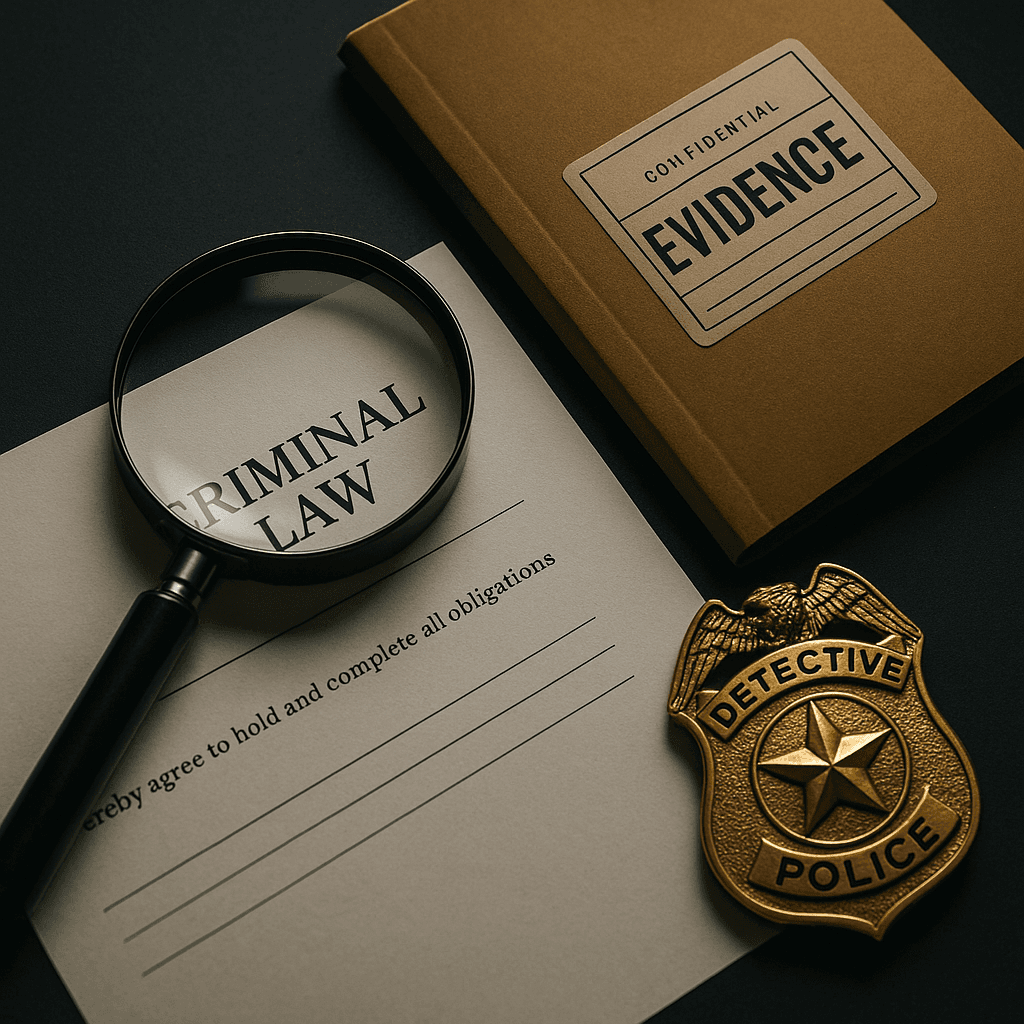
How Privacy Disputes Expose Corporations to Class Action and Regulatory Risk
Privacy disputes arise from unauthorized data collection or use, creating class action exposure and regulatory liability. Privacy disputes occur when personal data is collected or disclosed without consent, triggering statutory liability even without concrete harm under data breach notification rules, biometric statutes, HIPAA, and GLBA. Corporations face both individual-plaintiff and class action exposure, with certification multiplying discovery scope and settlement stakes.
Leer más

When Does Breach of Trust Become a Crime in New York?
Criminal breach of trust in New York arises when a fiduciary intentionally misappropriates property, triggering felony charges and prison time. Unlike a civil breach, a criminal charge requires proof of fraudulent intent and can result in incarceration, restitution orders, and a permanent criminal record. Our attorneys represent both the accused and those harmed by deliberate misconduct, guiding clients through New York's criminal process from investigation to sentencing.
Leer más
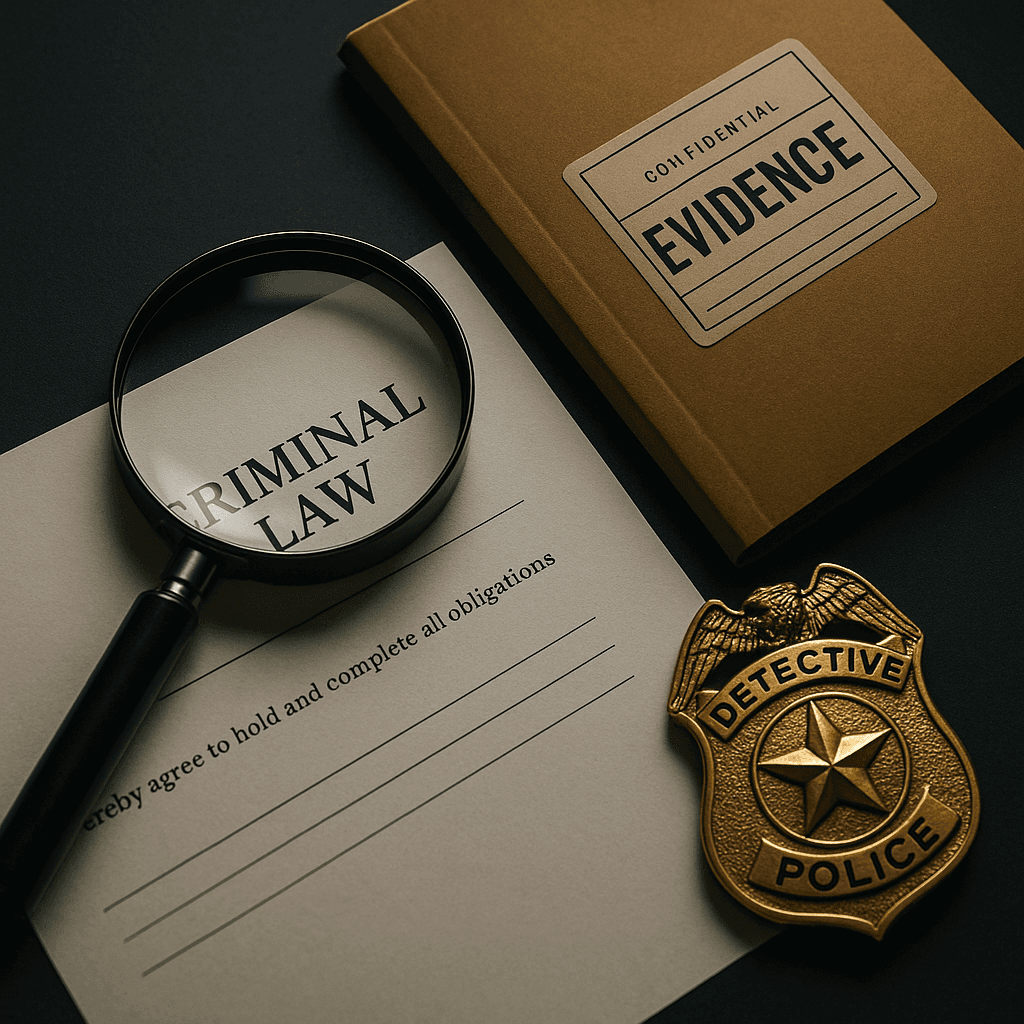
What Are the Core Legal Standards in Food-Related Consumer Protection Litigation?
Food-related consumer protection claims involve distinct statutory frameworks, burden-of-proof standards, and procedural requirements that corporations must navigate carefully to understand liability exposure and defense strategies. Consumer protection statutes at the federal and state level establish specific standards for food labeling, marketing, and safety that differ from general contract or tort law. Corporations face liability under statutes such as the Federal Trade Commission Act, state deceptive practices acts, and food-specific regulations when product representations do not match actual composition or safety. The burden typically falls on the plaintiff to demonstrate that a representation was material, false, or misleading, though some statutes impose strict liability for certain violations independent of intent.
Leer más
