




Información legal

How Is the Anti-Stalking Act Defined and Penalized?
Understanding the Anti-Stalking Act is essential for individuals involved in allegations of Anti-Stalking, whether as victims or accused. This law is enforced to protect individuals from patterns of behavior that cause fear or distress by imposing criminal penalties on offenders. Due to its layered legal definitions and broad applicability, a precise understanding of the Anti-Stalking Act is critical for both prevention and defense in the District of Columbia.
Leer más
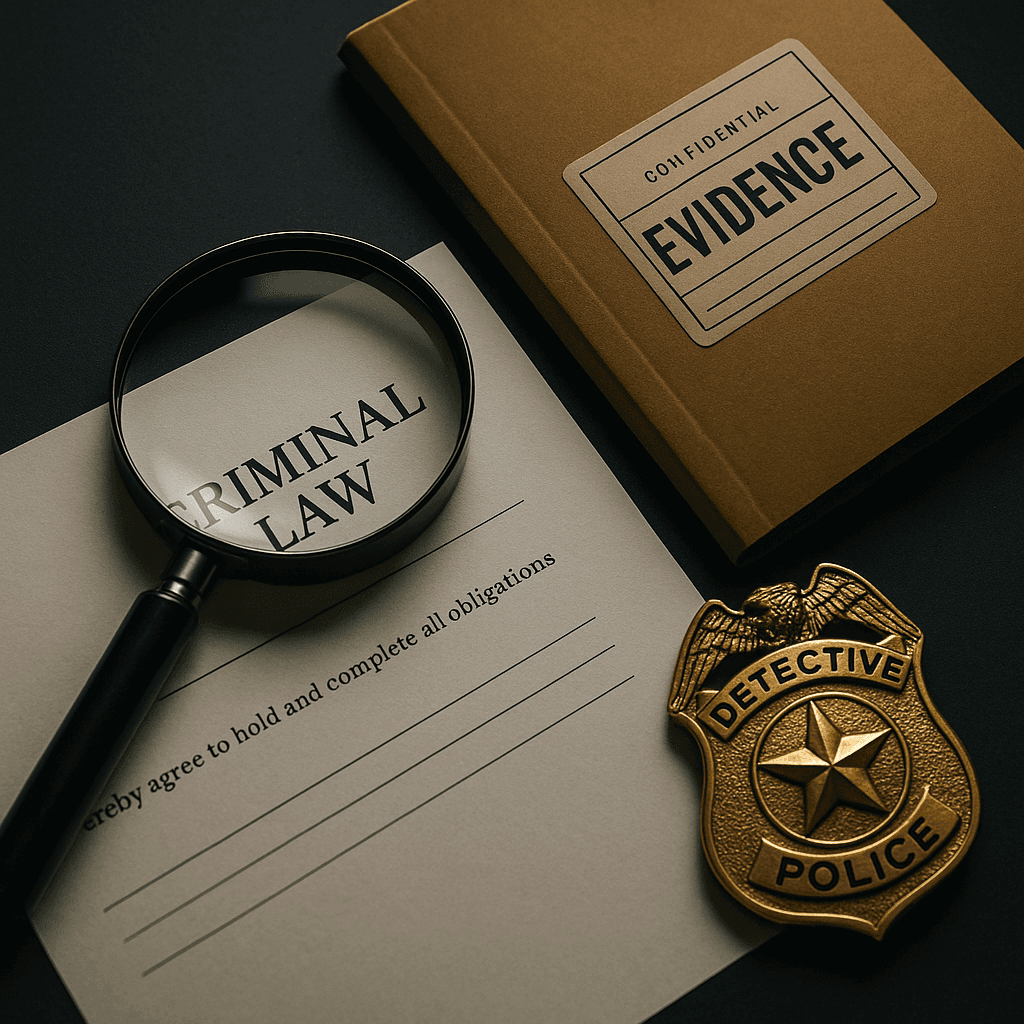
How Can a False Claims Act Defense Attorney Reduce Corporate Risk?
The False Claims Act (FCA) is a federal statute that imposes civil liability on entities and individuals who submit false or fraudulent claims for payment to the government, with potential damages that can reach three times the actual loss plus civil penalties per violation. Corporate defendants face heightened exposure because FCA liability attaches to any knowing submission of false information, whether intentional or reckless, and the statute permits qui tam relators (private whistleblowers) to file suit on behalf of the United States. Understanding the statutory framework, the distinction between scienter standards, and available affirmative defenses is critical to evaluating corporate risk and response strategy. This article covers the elements of FCA liability, common corporate exposure patterns, procedural defenses, and strategic considerations for entities facing or anticipating FCA allegations.
Leer más

What Is Disability Abuse?
Defining and understanding Disability Abuse Violations is the essential starting point for protecting the rights and ensuring justice for vulnerable individuals across New York State. These violations encompass a wide array of harmful actions, ranging from physical assault and neglect to financial exploitation, all of which specifically target individuals with legally defined disabilities. The core legal concern in any case of Disability Abuse Violations often revolves around the heightened vulnerability of the victim and the betrayal of trust by a caregiver or authority figure.
Leer más

What Does an Esg Attorney Do for Your Corporate Strategy?
An ESG attorney advises corporations on legal compliance and risk management across environmental, social, and governance domains that increasingly shape corporate liability, stakeholder relations, and regulatory exposure. Environmental statutes, anti-discrimination laws, board governance standards, and disclosure requirements create overlapping legal obligations that demand specialized counsel. Failure to integrate ESG legal frameworks into corporate decision-making can expose companies to regulatory sanctions, shareholder litigation, and reputational damage. This article covers the scope of ESG legal practice, key regulatory pressures, governance compliance mechanics, and how corporate counsel can evaluate ESG attorney expertise.
Leer más

Disability Rights Violations
Understanding what constitutes a Disability Rights Violation in Washington D.C. .s essential, as these offenses can result in criminal charges, civil liabilities, and administrative sanctions. This article outlines the legal definition of disability, the types of violations, enforcement standards, and real-life case examples relevant to D.C. .aw regarding Disability Rights Violations.
Leer más

Esg Legal Services and Corporate Compliance Risk Management
Environmental, Social, and Governance (ESG) legal services address the intersection of corporate strategy, regulatory obligation, and stakeholder accountability in how a business operates and reports on non-financial performance. ESG frameworks now shape disclosure requirements, investor expectations, and operational risk across multiple legal regimes. Procedural missteps in ESG governance, reporting, or policy implementation can expose a company to shareholder litigation, regulatory enforcement, and reputational harm. This article covers the core legal domains within ESG compliance, the regulatory landscape driving corporate ESG obligations, and practical governance considerations that protect your organization's posture.
Leer más
