




Información legal

Customs Investigation with Lawyer
Customs Investigation in Washington D.C. .lays a central role in addressing trade fraud, particularly when importers disguise goods to avoid anti-dumping duties. Enforcement measures in the District focus on detecting fraudulent imports, assessing penalties, and safeguarding fair competition for local industries. This article explains the meaning of a customs investigation, the risks of disguised imports, enforcement practices, and compliance strategies for businesses.
Leer más

Due Diligence Review in Mergers and Acquisitions Lawyer in NYC
Mergers and acquisitions due diligence review in NYC helps corporate buyers and sellers evaluate financial risks and liabilities. Navigating corporate transactions requires thorough legal scrutiny. Investors and corporate leaders must evaluate asset liabilities, verify historical agreements, and assess compliance risks prior to closing. Working with an experienced lawyer helps mitigate post-transaction liabilities and protect commercial interests.
Leer más

Reviewing the 3 Most Critical Aspects of Lobbying Law
Lobbying law comprises federal and state statutes that govern how individuals and organizations communicate with elected officials and government agencies to influence legislative or regulatory outcomes. The Lobbying Disclosure Act of 1995 and state-level registration requirements create a mandatory framework for transparency, requiring most paid advocates to register and file periodic reports about their clients, spending, and legislative targets. Failure to register or disclose lobbying activity can result in civil penalties, criminal prosecution, and loss of credibility in advocacy efforts. This article covers the statutory definition of lobbying, registration thresholds, disclosure obligations, compliance timing, and the practical distinctions between lobbying and other forms of lawful advocacy that fall outside regulatory scope.
Leer más
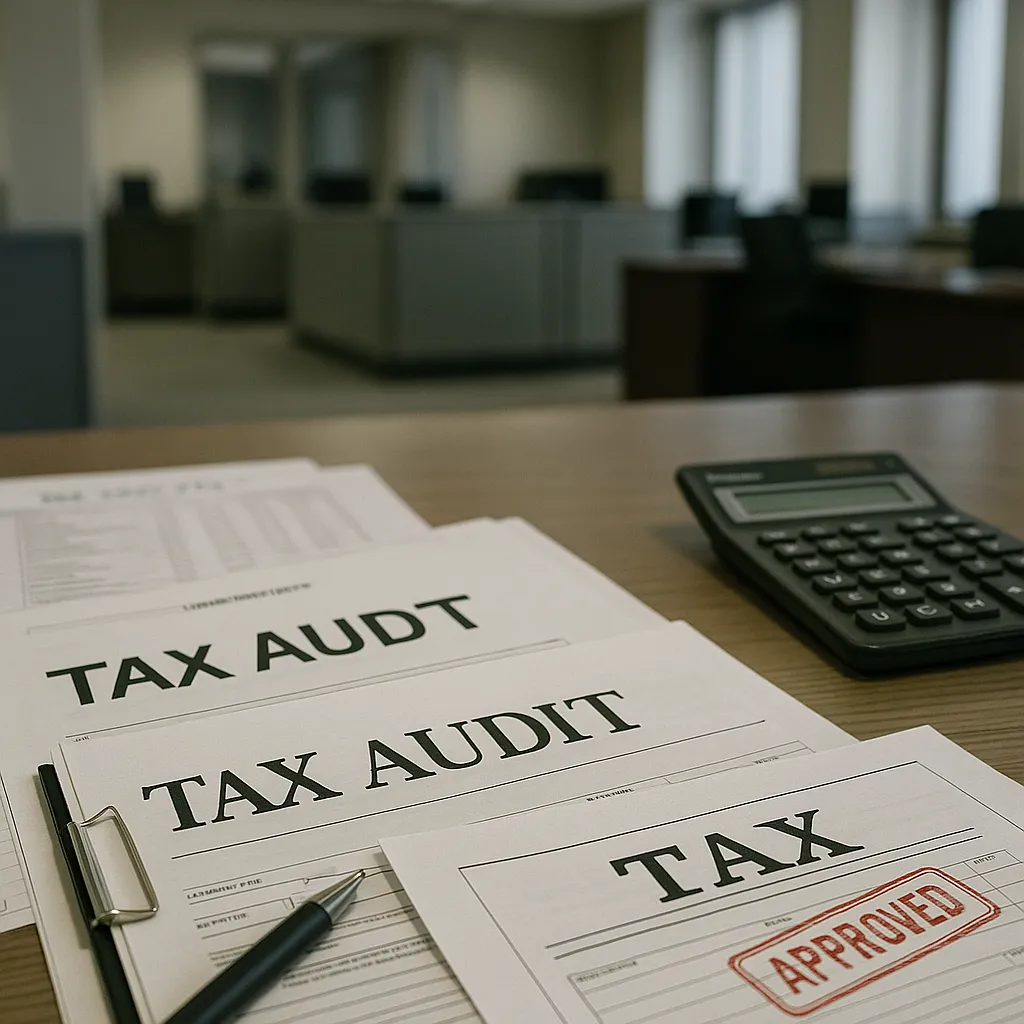
What Are the Key Tax Issues Affecting Taxpayers in New York?
Tax issues encompass a broad range of legal and financial challenges that arise when a taxpayer's reporting, payment, or substantiation of income, deductions, or credits does not align with Internal Revenue Code requirements or state law. The Internal Revenue Service and New York State Department of Taxation and Finance apply statutory standards to assess compliance, and procedural defects in notice, filing, or record-keeping can result in assessment validity disputes, penalty exposure, or loss of claimed benefits. Understanding the legal framework governing tax reporting obligations, the burden of proof standards that apply to different types of disputes, and the procedural avenues available to contest assessments is essential for any taxpayer facing examination, audit, or collection action. This article will address the primary categories of tax issues, the statutory and regulatory landscape that shapes taxpayer liability, and the procedural mechanisms through which disputes are resolved.
Leer más
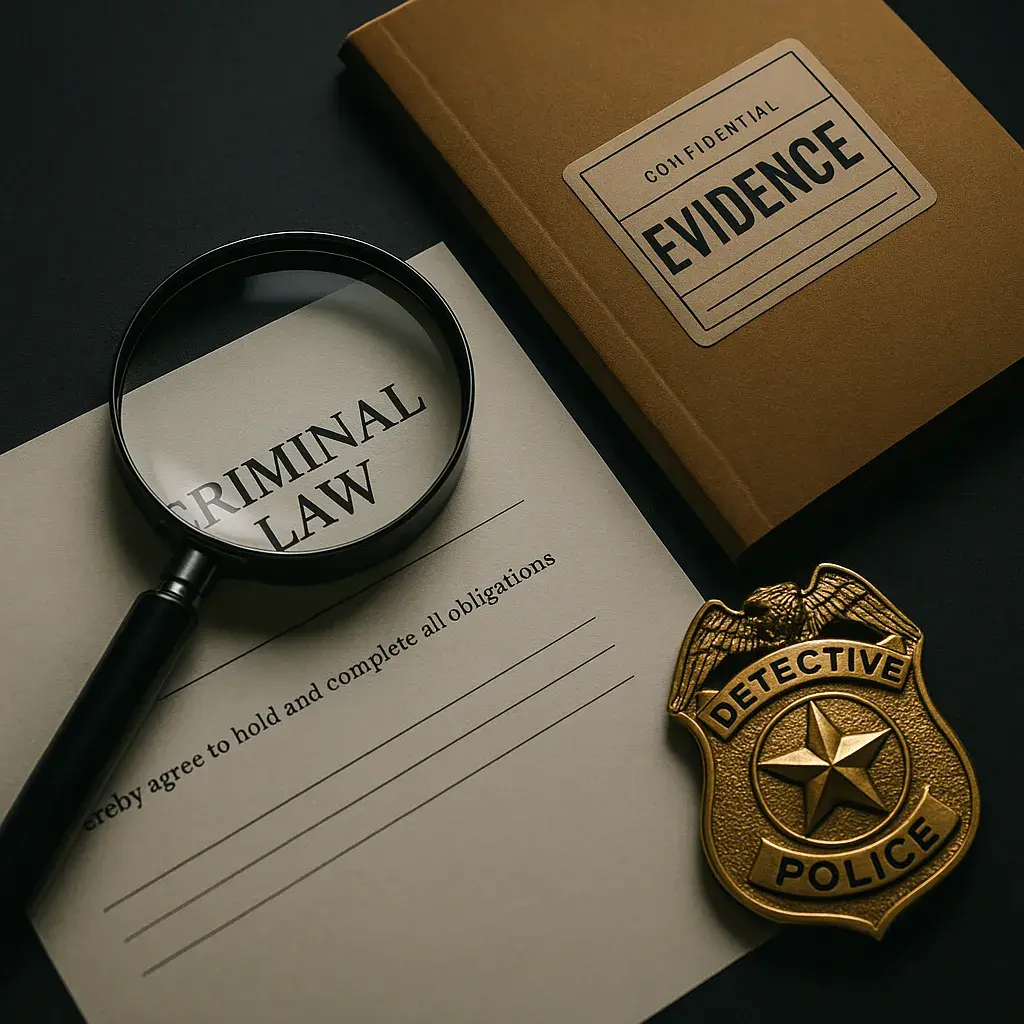
What Are Extortion Penalties under New York Law?
Extortion penalties depend on the type of threat, offense level, sentencing factors, restitution, and other legal standards under New York law. Extortion penalties vary according to the nature of the threat, the value of the property or benefit sought, the offense classification, and the evidence supporting coercion under New York law. Understanding extortion penalties requires examining felony and misdemeanor classifications, imprisonment, fines, restitution, victim rights, attempted extortion, and the factors courts consider during sentencing. This guide explains extortion penalties, prosecution standards, criminal consequences, and practical considerations for evaluating extortion allegations.
Leer más
Commonly Asked Legal Matters Regarding the Industrials Sector
3 Questions Decision-Makers Raise About Industrials: Supply chain disruption exposure, regulatory compliance deadlines, and liability in manufacturing operations.Decision-makers in the industrials sector face a constellation of legal exposures that often emerge quietly until they become urgent. Industrials companies, whether in manufacturing, transportation, or logistics, operate across multiple jurisdictions with overlapping regulatory frameworks, complex contractual relationships, and significant operational risk. The legal landscape for industrials has shifted in recent years: environmental compliance has tightened, supply chain transparency is increasingly mandated, and liability for product defects or workplace incidents can cascade through multiple parties. From a practitioner's perspective, the companies that manage these risks most effectively tend to identify vulnerabilities early, before they ripen into disputes or regulatory action. This article addresses the core legal questions that industrials decision-makers should be evaluating now, and where counsel can add the most value.
Leer más
