




Informations juridiques

Construction Labor Management: Legal Requirements and Compliance
Construction labor management focuses on workforce oversight, regulatory compliance, documentation, and risk control. Construction labor management is a critical function for construction professionals responsible for workforce coordination, supervision, and legal compliance in New York. Effective construction labor management helps ensure proper documentation, regulatory adherence, workforce accountability, and contractual clarity throughout a project. By implementing strong construction labor management practices, organizations can reduce compliance risks, improve operational efficiency, and support professional standards across construction operations.
Lire la suite

Electric Scooter Accidents Guide for Legal Response Strategies
3 Key Electric Scooter Accident Points From a New York Attorney: Operator and manufacturer liability, premises liability for defects, and 30-day notice requirement to city.Electric scooter accidents in New York create complex liability questions because multiple parties, including riders, manufacturers, and property owners, may share fault. Understanding your legal position after a scooter collision or injury is critical to protecting your rights and avoiding costly mistakes in the settlement or litigation process.
Lire la suite

Motion for Preliminary Injunction Process
A preliminary injunction is an extraordinary remedy used to preserve the status quo or prevent imminent harm while a case is pending. In both New York state and federal courts, judges apply a rigorous legal standard, and these motions are not granted lightly. At the core of any application is the four-factor test, which requires the moving party to demonstrate: a likelihood of success on the merits, irreparable harm absent the injunction, a balance of equities in their favor, and that the injunction serves the public interest. Failure to satisfy any one of these elements can result in denial of the motion. Among these factors, irreparable harm is often the most heavily scrutinized. The applicant must show that monetary damages alone would be insufficient to remedy the injury. Courts routinely reject claims where the alleged harm can be compensated financially, emphasizing that injunctions are reserved for situations involving unique or non-quantifiable injury, such as loss of business goodwill, disclosure of confidential information, or ongoing legal violations. Additionally, courts may require the moving party to post a bond or undertaking as a condition of relief. This serves as a safeguard to compensate the opposing party for damages if it is later determined that the injunction was improperly granted. The amount of the bond is typically set at the court’s discretion based on the potential harm to the restrained party. Because of these strict requirements, a motion for preliminary injunction must be carefully prepared with strong evidentiary support and a clear legal theory. When used appropriately, it can provide immediate and meaningful protection during litigation, but improper or premature use may weaken a party’s overall position.
Lire la suite

What Does Mergers and Acquisitions Due Diligence Involve in Transactions?
Mergers and acquisitions due diligence is the systematic investigation and verification of a target company's financial, legal, operational, and commercial condition before closing a transaction.Due diligence determines whether your assumptions about the target hold up under scrutiny, identifies material risks and liabilities that may affect valuation, and establishes the factual foundation for representations and warranties in the purchase agreement. The scope and depth of your due diligence process directly influence deal pricing, risk allocation, and your ability to enforce indemnification claims if undisclosed liabilities emerge later. This article addresses the core components of due diligence investigation, legal and contractual risk identification, financial verification, operational planning, and practical closing procedures to protect your interests through closing and beyond.
Lire la suite
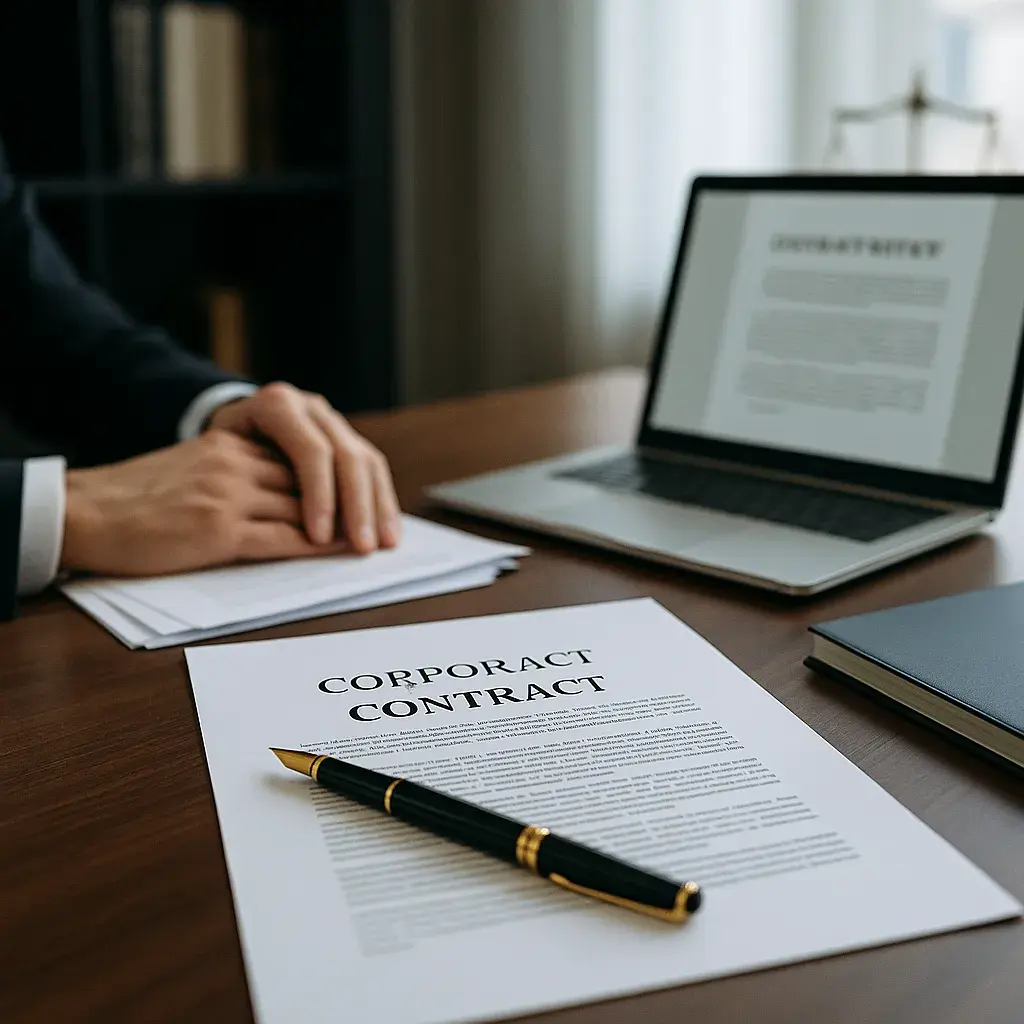
A Higher Education Attorney Guides You through Education Litigation
Higher education litigation involves disputes that arise between institutions, students, faculty, and third parties over contractual rights, regulatory compliance, employment terms, and institutional governance. These disputes often span multiple legal domains, from Title IX investigations to employment contracts to accreditation challenges, each carrying distinct procedural requirements and remedial frameworks. The stakes extend beyond immediate financial exposure to include reputational harm, operational disruption, and regulatory scrutiny. Understanding the structural complexity of higher education disputes helps stakeholders assess risk early and position themselves strategically before disputes escalate.
Lire la suite

How a Gaming Lawyer Reviews Your Gaming Agreement
Gaming agreements govern the rights, obligations, and dispute resolution between operators, players, and third-party service providers, and understanding their core terms is essential to protecting your interests in a rapidly evolving industry. These contracts establish the legal framework for how wagers are placed, how funds are held and disbursed, what happens when disputes arise, and what remedies are available to each party. The enforceability of gaming agreements depends heavily on compliance with federal and state law, including licensing requirements, anti-money laundering provisions, and consumer protection standards. From a practitioner's perspective, the difference between a well-drafted agreement and a poorly negotiated one often determines whether a party can recover funds, enforce exclusivity, or defend against liability claims.
Lire la suite
