




Informations juridiques

Post-Closing Integration: Legal Steps and Risk Mitigation
Post-closing integration is the operational and financial consolidation process that begins after deal closing and continues through the first 12 to 24 months, during which the buyer assumes full control of acquired assets, liabilities, and personnel, and must align systems, cultures, and reporting structures to realize the transaction's stated value. The integration process is governed by the acquisition agreement's representations, warranties, and indemnification provisions, which create contractual obligations and dispute triggers if integration reveals undisclosed liabilities or operational gaps. Success depends on rapid identification of hidden costs, personnel retention risks, and operational misalignments that can erode deal value if left unaddressed. This article examines the key operational, legal, and financial priorities that buyers must address during the post-closing integration period to protect indemnification rights and realize transaction value.
Lire la suite

Financial Record-Keeping Requirements for New York Businesses
New York businesses must keep financial records that satisfy IRS and state rules — generally for three to seven years depending on the record type, and longer for some categories, such as payroll records under New York's six-year rule and asset records you must keep until years after the asset is sold. Every invoice, receipt, and payroll entry becomes potential evidence if the IRS or a New York auditor ever asks questions. This guide breaks down which business financial records you need to keep, how long each category must survive — under both federal rules and New York's own requirements for sales tax and payroll — and how to store them so they hold up under review.
Lire la suite

Investigations and Compliance, Ethics under New York Law
3 Bottom-Line Points on Investigations and Compliance from Counsel: Regulatory exposure multiplies when investigations begin, evidence preservation is non-negotiable, and document retention policies require immediate review.Organizations and individuals facing regulatory scrutiny, internal investigations, or compliance audits operate in a high-stakes environment where procedural missteps can compound legal exposure. The intersection of investigations and compliance presents distinct challenges: regulators expect swift, transparent responses; internal fact-finding must balance candor with privilege protection; and documentation decisions made today shape litigation risk tomorrow. This article addresses the practical priorities that in-house counsel, compliance officers, and business decision-makers should evaluate immediately when investigations and compliance matters arise.
Lire la suite

Brooklyn Social Security Lawyer Explains Administrative Case Procedures
3 Key Administrative Case Points From a Brooklyn Attorney: Appeal deadline within 60 days, ALJ hearing required, medical evidence critical Social Security disability and retirement claims frequently require administrative review.when the Social Security Administration (SSA) denies initial applications. A social security lawyer in Brooklyn helps clients navigate the formal appeal process, which involves multiple stages and strict procedural rules. Understanding when and how to challenge an unfavorable decision can mean the difference between receiving benefits and exhausting time and resources on a weak claim. Many applicants do not realize that the administrative process has its own complexity, separate from the initial application.
Lire la suite
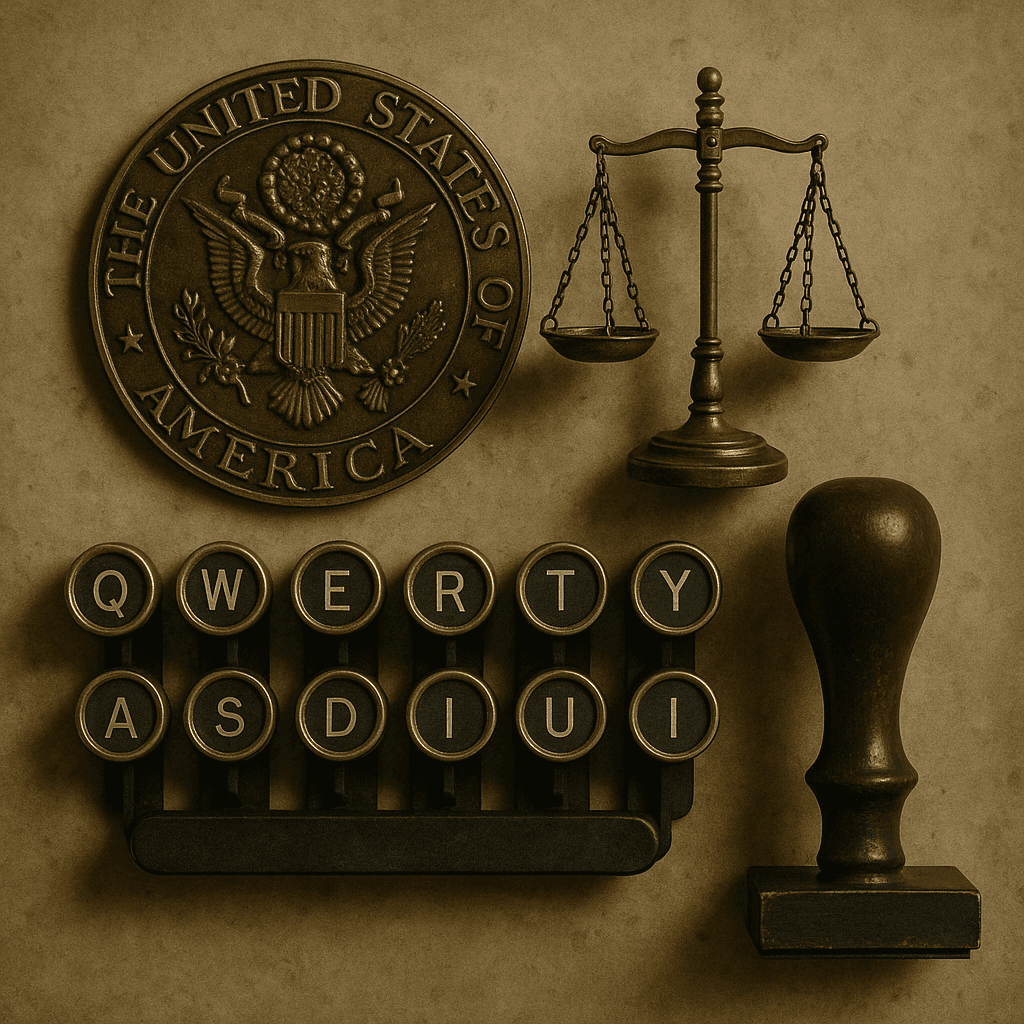
What Are Intellectual Property Rights and How Are They Enforced?
Understand intellectual property rights, who owns them, how they are enforced, and the legal remedies available to protect valuable business assets. Intellectual property rights give creators and businesses the legal authority to control how protected inventions, brands, creative works, and confidential information are used. Intellectual property rights establish ownership, define the scope of legal protection, and provide remedies when those rights are violated. Understanding intellectual property rights helps businesses protect valuable assets, support innovation, and make informed decisions about licensing, commercialization, and enforcement.
Lire la suite

Rental Fraud: Prevention and Legal Remedies for Tenants
Three Key Rental Fraud Points from a New York Attorney: False listings and fake deposits, lease document forgery, tenant rights under New York General Obligations LawRental fraud affects thousands of New York tenants annually, ranging from fake online listings to forged lease documents and unauthorized security deposit demands. Understanding how to identify fraudulent schemes, document your evidence, and pursue legal remedies can protect your housing security and financial interests. This guide explains the legal landscape, common fraud patterns, and what steps you should take if you suspect deception.
Lire la suite
