




Informations juridiques

Filing a Civil Judgment Challenge
Challenging a civil judgment in New York allows litigants to seek a review of a trial court's decision when legal or factual errors are believed to have occurred. This critical process requires strict adherence to procedural timelines and legal grounds for appeal as governed by the state’s Civil Practice Law and Rules (CPLR). A successful appeal often hinges on demonstrating that the lower court misapplied the law or made a decision clearly unsupported by the evidence presented.
Lire la suite

College Sexual Misconduct in Washington D.C.: Your Rights, Process, and Defense Strategy
College sexual misconduct allegations in Washington D.C. .rigger both federal Title IX procedures and local D.C. Code protections, each with distinct timelines, standards, and rights you must know from day one. I've worked with students and faculty who had no idea these two tracks could run simultaneously, and that gap in understanding cost them critical response time. Whether you're a complainant seeking accountability or a respondent protecting your academic future, college sexual misconduct cases in Washington D.C. .emand early, informed action. From the first notice letter to the final appeal, every step in this process carries real consequences for your education, your record, and your career.
Lire la suite

What Is an Energy Dispute?
Energy disputes arise when parties disagree over the terms, performance, or obligations related to energy supply, pricing, infrastructure, or regulatory compliance. For corporations, these disputes can involve wholesale power contracts, renewable energy procurement agreements, grid interconnection disputes, or regulatory compliance failures that disrupt operations or create financial exposure. Energy disputes often span multiple legal frameworks, state utility commissions, federal energy regulators, commercial contract law, and environmental statutes, which means the procedural path and available remedies depend heavily on the nature of the underlying disagreement. Understanding the structural distinctions between contractual claims, regulatory proceedings, and grid-related disputes is critical because each track carries different timelines, evidentiary burdens, and remedial options.
Lire la suite

What Is Civil Appellate Law and How Does It Work?
Civil appellate law provides a structured legal mechanism in New York to review lower court rulings for legal errors and protect your rights. When a trial court renders an unfavorable decision or enters a judgment based on improper legal standards, the appellate system allows an aggrieved party to seek relief before higher judicial panels. Understanding how New York appellate courts function helps litigants evaluate whether legal mistakes occurred during trial and determine the proper procedural steps to safeguard their claims.
Lire la suite

Understanding Trespass Charges
In New York, the unauthorized and unlawful entry or remaining in another person's home or protected space constitutes a criminal offense, categorized under various trespass charges. Landlords, ex-partners, or neighbors may be held criminally liable under Criminal Trespass Laws if they enter a protected dwelling without legal justification. These laws protect property rights and personal safety against unauthorized intrusion, which is why facing such charges is a serious matter. This article explores the legal definition, classifications, elements of proof, penalty standards, and defense strategies under New York's Criminal Trespass Laws.
Lire la suite
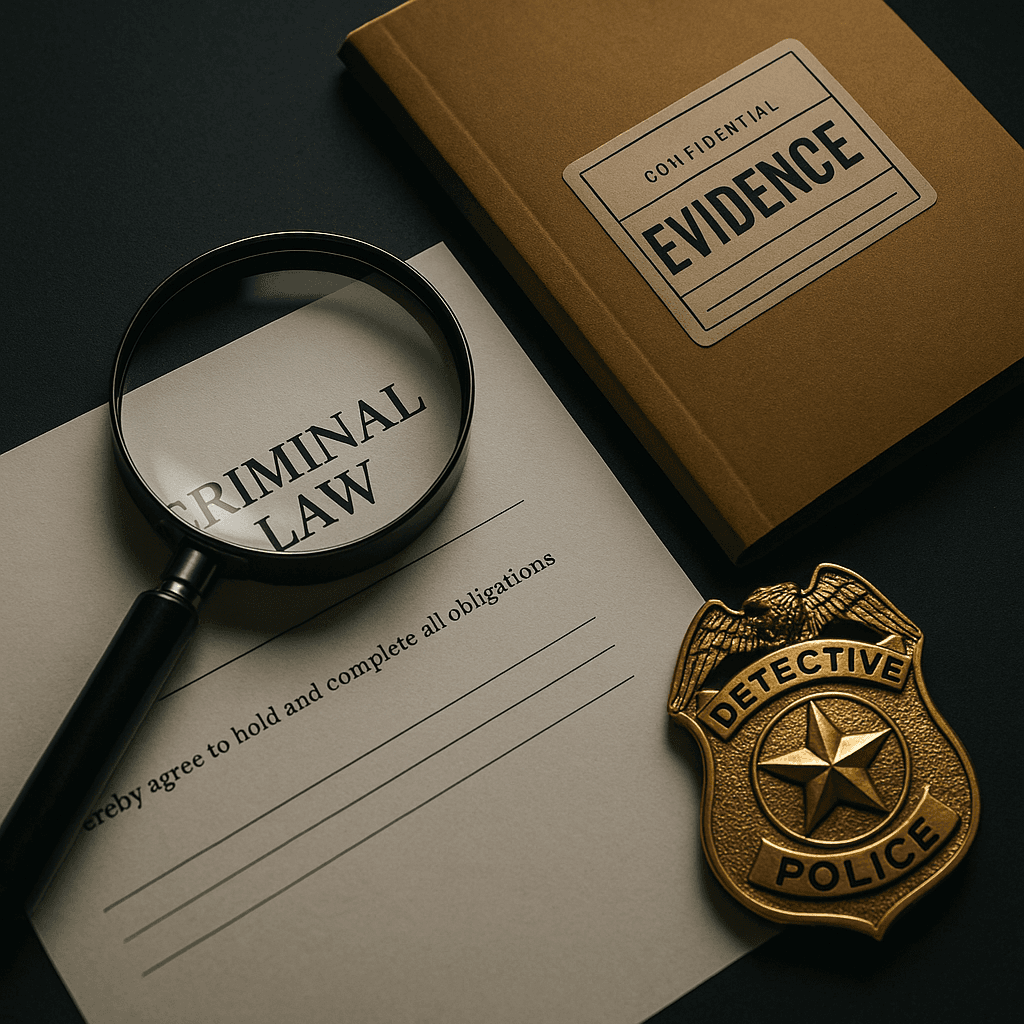
Why Criminal Defense Legal Advice Matters for Your Company?
Criminal defense legal advice guides corporations and business entities through the intersection of criminal exposure, regulatory compliance, and operational risk when officers, employees, or the organization itself faces potential criminal liability. Unlike civil disputes, criminal matters carry collateral consequences that extend beyond conviction: license revocation, debarment from government contracts, reputational damage, and mandatory reporting obligations. Understanding when and how to seek counsel before charges are filed, during investigation, or after arrest shapes a company's ability to protect assets, preserve evidence, and position itself for favorable resolution. The criminal process in New York operates on distinct procedural timelines, burden standards, and discovery rules that differ fundamentally from civil litigation.
Lire la suite
