




Informations juridiques

Cannabis Violation Penalties: What a New York Attorney Wants You to Know
In New York, cannabis violation penalties range from civil fines to 15-year felonies. Learn the exact thresholds, charge types, and defense options that protect your future. In New York, cannabis violation penalties can follow you long after the courtroom, affecting your job, immigration status, and professional license. I have seen clients blindsided not by the arrest itself, but by consequences they never expected. Understanding exactly where the line falls between a civil fine and a felony is the first step any attorney will take with you.New York's Marijuana Regulation and Taxation Act (MRTA) created a tiered system: cannabis violation penalties vary sharply by quantity, product type, and whether minors or school zones are involved. From a $125 civil fine for minor overages to a Class C felony carrying up to 15 years, the difference often comes down to a few grams or a single aggravating factor. When cannabis violation penalties reach felony level, the window to challenge evidence, contest intent, and negotiate outcomes narrows fast, which is exactly why early legal guidance matters.
Lire la suite

Unfair Dismissal Lawsuit with Lawyer
Employees in New York who believe they were terminated without just cause can pursue an unfair dismissal lawsuit to seek remedies such as reinstatement or compensation. This guide outlines when such lawsuits are appropriate, available legal actions, and strategies for both employers and employees. Successfully navigating these claims requires an understanding of New York's specific "at-will" employment doctrine and its statutory exceptions.
Lire la suite

What Is the Scope of Us Economic Sanctions for Corporate Compliance?
US economic sanctions are comprehensive restrictions imposed by the federal government on trade, investment, and financial transactions with designated countries, entities, and individuals, and corporations face substantial civil and criminal penalties for violations. The Office of Foreign Assets Control (OFAC), operating under the International Emergency Economic Powers Act (IEEPA) and the Trading with the Enemy Act (TWEA), administers multiple sanctions programs that operate simultaneously across different geographic regions and target categories. Violations can result in civil penalties up to $250,000 per violation and criminal penalties up to $1 million and 20 years of imprisonment for knowing violations. Corporate compliance requires understanding not only which transactions are prohibited, but also the legal architecture that creates liability for apparent transactions, transactions through intermediaries, and transactions involving dual-use goods or services.
Lire la suite

Marijuana Penalties
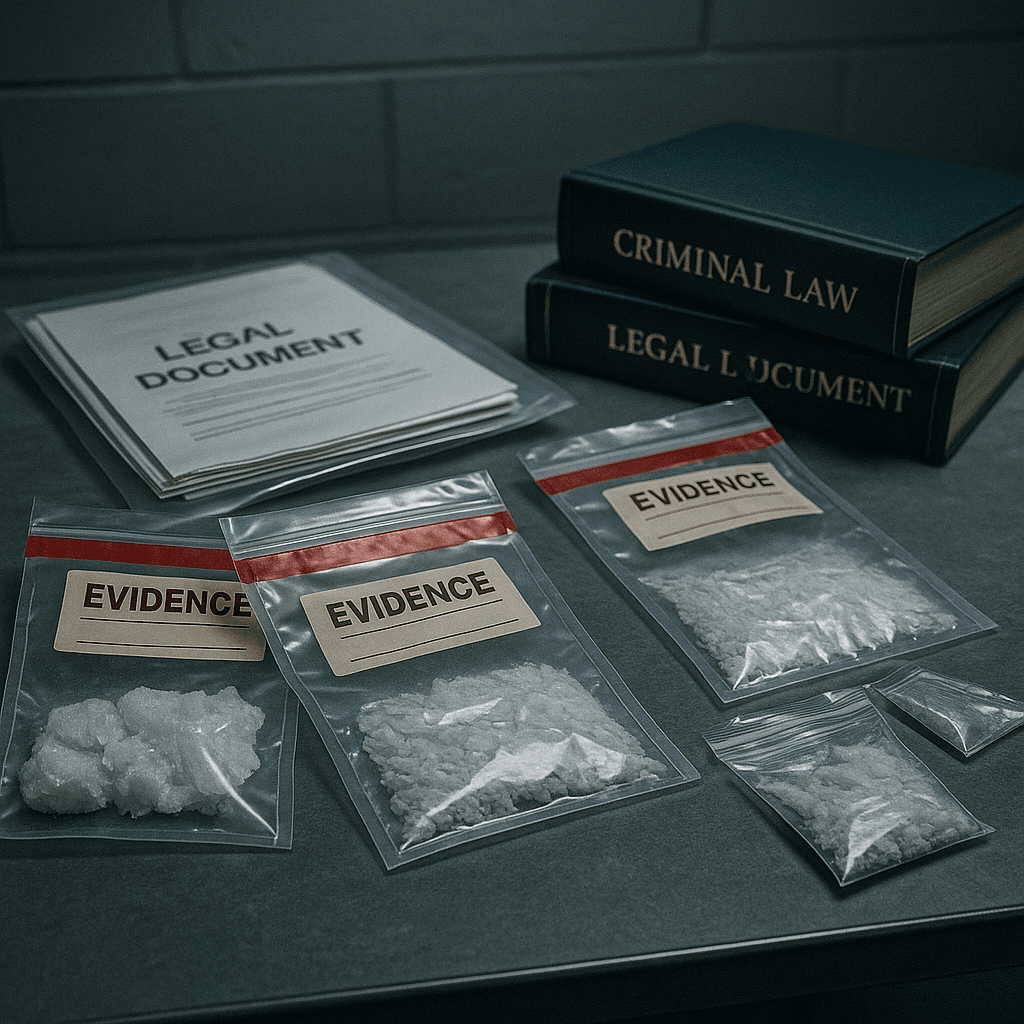
In Washington D.C., the legal landscape surrounding marijuana has shifted significantly in recent years, making it crucial for residents and visitors to understand the current regulations. While personal possession and cultivation of marijuana for recreational use is legal under specific conditions set forth by Initiative 71, violations beyond those limits, including public consumption and unauthorized sale, may result in serious criminal penalties. This comprehensive article outlines the specific marijuana laws in Washington D.C., including the distinctions between legal and illegal cannabis, the penalties for unlawful cultivation or possession, and key legal defense strategies for those facing charges.
Lire la suite
At-Will Employment: When a D.C. Firing Becomes Illegal Termination
At-will employment lets a D.C. .mployer fire you for almost any reason, but not an illegal one, and that line decides whether your firing was wrongful. If you were just let go and something about it feels off, the first question is not how to sue. It is whether your termination crossed a legal line at all. At-will employment gives D.C. .mployers wide freedom to end a job, yet that freedom stops at discrimination, retaliation, and violations of public policy. Below, I walk through the real limits of the rule, the warning signs of an illegal firing, and the evidence worth preserving before you decide on your next move.
Lire la suite

Transportation Litigation Attorney Strategies for Corporate Risk Control
Transportation litigation encompasses disputes arising from the movement of goods and people, involving carriers, shippers, logistics operators, and third parties affected by transportation operations or failures. For corporations, these disputes can involve contract enforcement, cargo loss or damage, regulatory compliance violations, and liability exposure from accidents or service failures. Understanding the legal framework helps you assess risk before incidents occur and protects your operational and financial interests. The stakes range from single shipment claims to systemic operational shutdowns, making early legal assessment critical.
Lire la suite
