




Informations juridiques

What You Need to Know about Detention and Arrest Warrants
If you are facing detention, the type of warrant issued, your charge level, and your constitutional rights all affect whether you are held or released. Detention can take many forms, from pretrial holds to emergency custodial warrants, and each type carries specific legal standards and deadlines. Our attorneys have helped clients navigate the detention process across courts nationwide and know exactly what it takes to fight for your release. We are ready to act on your behalf today.
Lire la suite
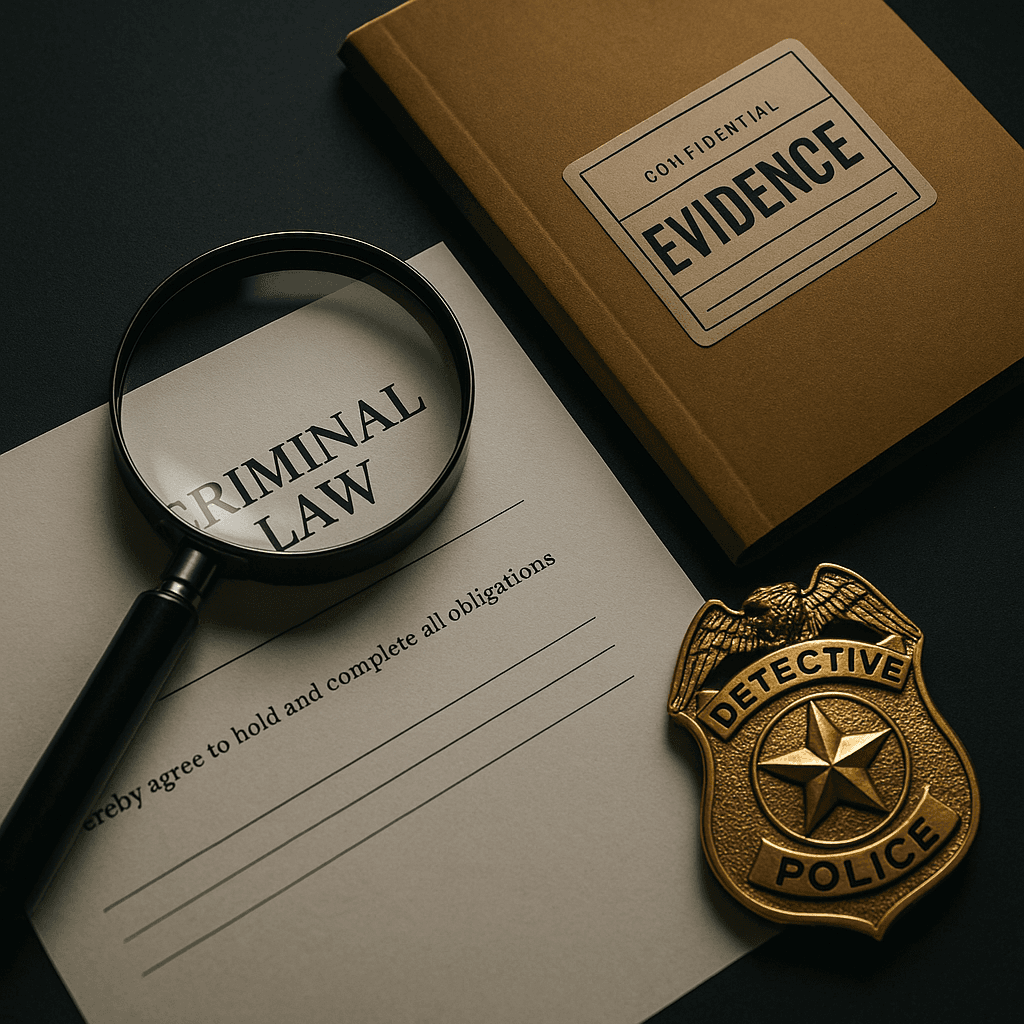
Anti-Corruption Due Diligence: Protecting Your Corporation from Fcpa Exposure
Closing a deal with foreign partners? Anti-corruption due diligence verifies FCPA compliance and protects your company. Anti-corruption due diligence is a structured review that identifies bribery risks, undisclosed conflicts, and regulatory exposure before a transaction closes. Corporations subject to SDNY enforcement must treat anti-corruption due diligence as a required step in every M&A or joint venture. Our attorneys have guided clients through FCPA reviews and global compliance assessments.
Lire la suite

Prior Conviction Sentencing: Predicate Felony Rules in New York
In New York, a prior felony within ten years can make you a predicate offender, raising the mandatory minimum and pushing a repeat felony sentence much higher. In New York, a prior conviction can matter as much as the current charge when a judge sets the sentence. A qualifying felony on your record can reclassify you as a predicate offender, which raises the minimum term the court must impose and narrows its discretion. New York uses several offender categories, from a second felony offender to a persistent violent felony offender, each carrying its own steep consequences. This guide explains how a prior conviction triggers those enhancements, and where a defense can still push back.
Lire la suite
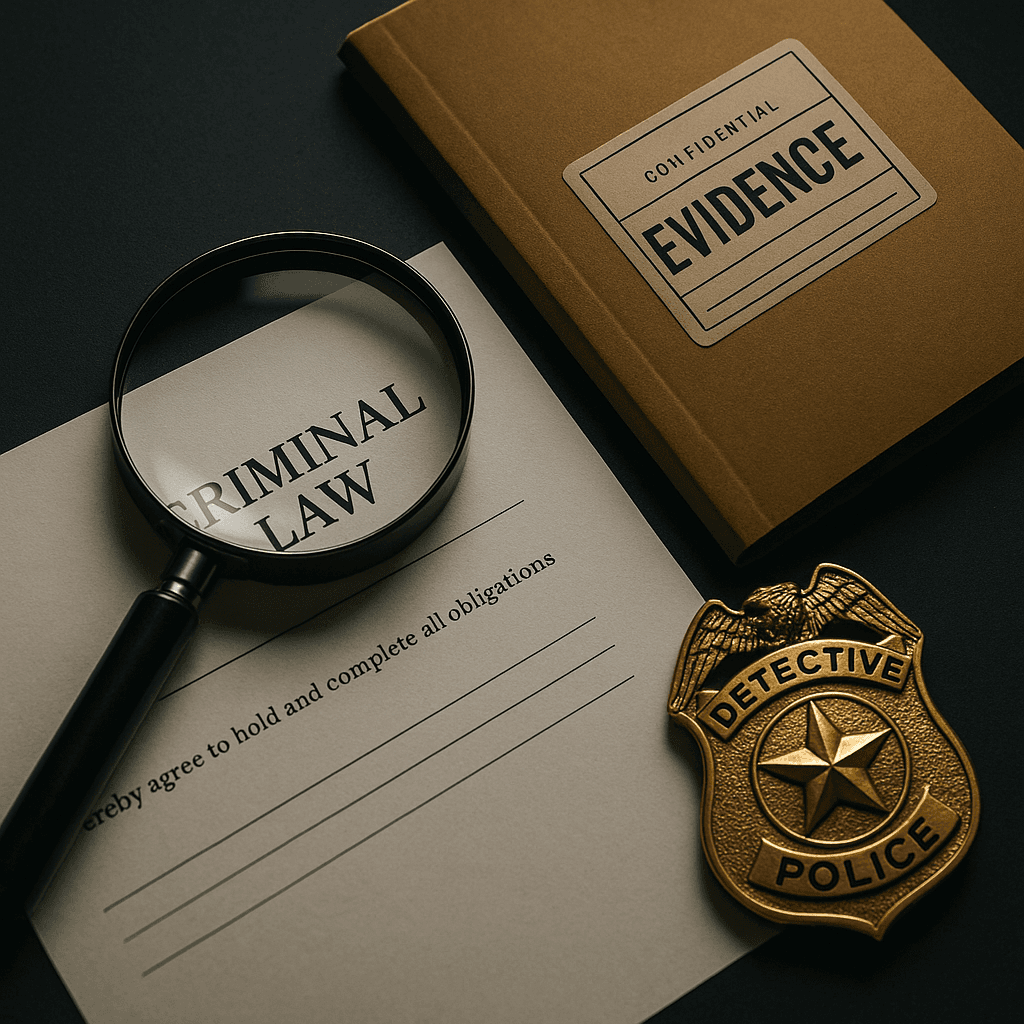
What You Need to Know about Anti-Corruption Cases
Anti-corruption enforcement operates across parallel criminal, civil, and administrative tracks that expose organizations to distinct legal consequences and operational disruptions. Corporate entities face investigation and prosecution under federal statutes including the Foreign Corrupt Practices Act, the Travel Act, and money laundering provisions, alongside state-level bribery and kickback laws. Liability can attach to the organization itself, individual officers and employees, and sometimes extends to third parties who facilitate corrupt schemes. Understanding the investigative framework, burden of proof standards, and timing of disclosure obligations helps corporations assess exposure early and structure responses that protect both legal interests and compliance posture.
Lire la suite

Repeat Offense Sentencing: What a Criminal Record Adds in D.C.
In Washington, D.C., a prior conviction raises your sentencing guideline range and can trigger enhancements up to life for repeat crimes of violence. In Washington, D.C., repeat offense sentencing works through two channels at once: a criminal history score that shifts the guideline range, and habitual-offender statutes that can multiply the maximum. A prior conviction rarely changes the charge, but it can move a sentence from probation toward years in prison. The most serious repeat crimes of violence can even reach a life term. This guide explains how D.C. .ounts prior convictions and where a defense can still limit their weight.
Lire la suite
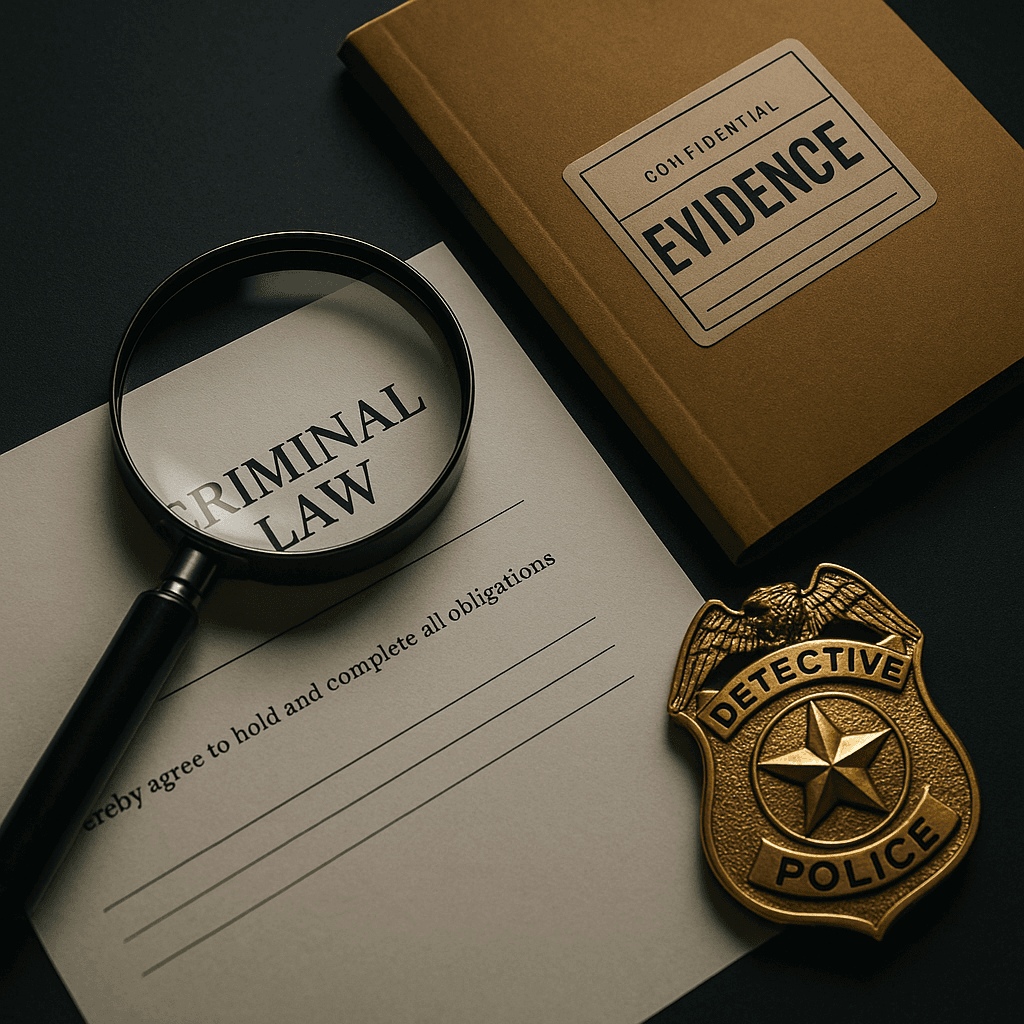
How Should Companies Comply with Anti Bribery Law?
Anti bribery law prohibits offering, promising, or providing anything of value to influence official decisions or gain improper business advantages. Anti bribery law establishes criminal and civil liability for corporations, executives, employees, and third-party intermediaries involved in improper payments or benefits. Anti bribery law extends beyond cash payments and may apply to gifts, travel, entertainment, consulting arrangements, charitable contributions, or favorable contract terms when intended to influence business decisions. Because anti bribery law enforcement frequently relies on corporate liability theories under the FCPA and related federal or state statutes, companies must implement effective compliance programs, third-party due diligence procedures, employee training, and reporting mechanisms to reduce regulatory and enforcement risk.
Lire la suite
