




Informations juridiques

NY Business Lawyer Strategies for Responding to a Consumer Complaint
Facing a consumer complaint in NY? Our business lawyer breaks down the response deadline, key defenses, and when to settle vs. .itigate to protect you. In my experience advising New York businesses, the first 48 hours after a consumer complaint arrives often decide how the dispute plays out. A consumer complaint can escalate into regulatory scrutiny or litigation fast, but a well-documented, prompt response often resolves the consumer complaint before it ever reaches a courtroom.
Lire la suite

What Is the Food Safety Modernization Act for NYC Businesses?
The Food Safety Modernization Act establishes federal compliance standards to prevent foodborne illness across food supply chains in New York. Covered food facilities manufacturing, processing, or holding food in the United States must register with the FDA and implement preventive controls. Compliance protocols require written hazard analyses, supply-chain verification, and documented safety plans. Facilities must maintain these procedures to meet federal requirements.
Lire la suite

How to Trademark a Business Name in New York
Registering your business with New York State creates no trademark rights. Those come from use, and from federal registration. A business name is not automatically a trademark. Trademark protection attaches to a name that identifies the source of goods or services to customers — on packaging, on the product, in service advertising. A name appearing only on your incorporation papers and invoices is a trade name, and it may be refused registration on that basis alone. The most common refusal is one you can avoid entirely. Marks that describe the goods, the services, or where they come from are refused as merely descriptive. "Brooklyn Bagel Company" tells a customer what you sell and where — which is exactly why it will not register without years of evidence that consumers associate it with you specifically. The cheapest trademark advice available is the kind received before the signage is printed. Two filing bases, and the choice affects priority. A Section 1(a) application requires that you are already using the mark, supported by a specimen showing actual commercial use — advertising alone is generally insufficient for goods. A Section 1(b) application may be filed on a bona fide intent to use, before any sales. Its value is that priority dates from the filing, not from when use eventually begins. For a business still in development, that gap is often the whole point. New York offers its own registration for marks used within the state. It is inexpensive and its reach is limited to New York, which makes it a supplement to federal registration rather than a substitute.
Lire la suite

Trademark Lawyers in NYC Guide to Federal Trademark Registration
The process of federal trademark registration with the USPTO requires precise legal clearance and strategic classification to secure full brand protection across New York. Trademark lawyers in NYC guide businesses through searching registered databases, filing applications, and responding to office actions to preserve legal rights. Working with dedicated counsel helps brand owners overcome complex refusals and successfully maintain continuous trademark protections.
Lire la suite

Trademark Lawyers in NYC : Trademark Violation
3 Key Trademark Violation Points From Lawyer NYC Attorney: Likelihood of confusion standard, federal and state remedies, cease-and-desist letters Trademark violations occur when a party uses a mark that is confusingly similar to a registered or unregistered trademark, creating risk of consumer deception. As counsel advising clients in New York, I often see disputes arise when a business adopts a name or logo that resembles an existing mark in the same industry or related field. Understanding your exposure and the available remedies is critical to protecting your brand or defending against infringement claims.
Lire la suite
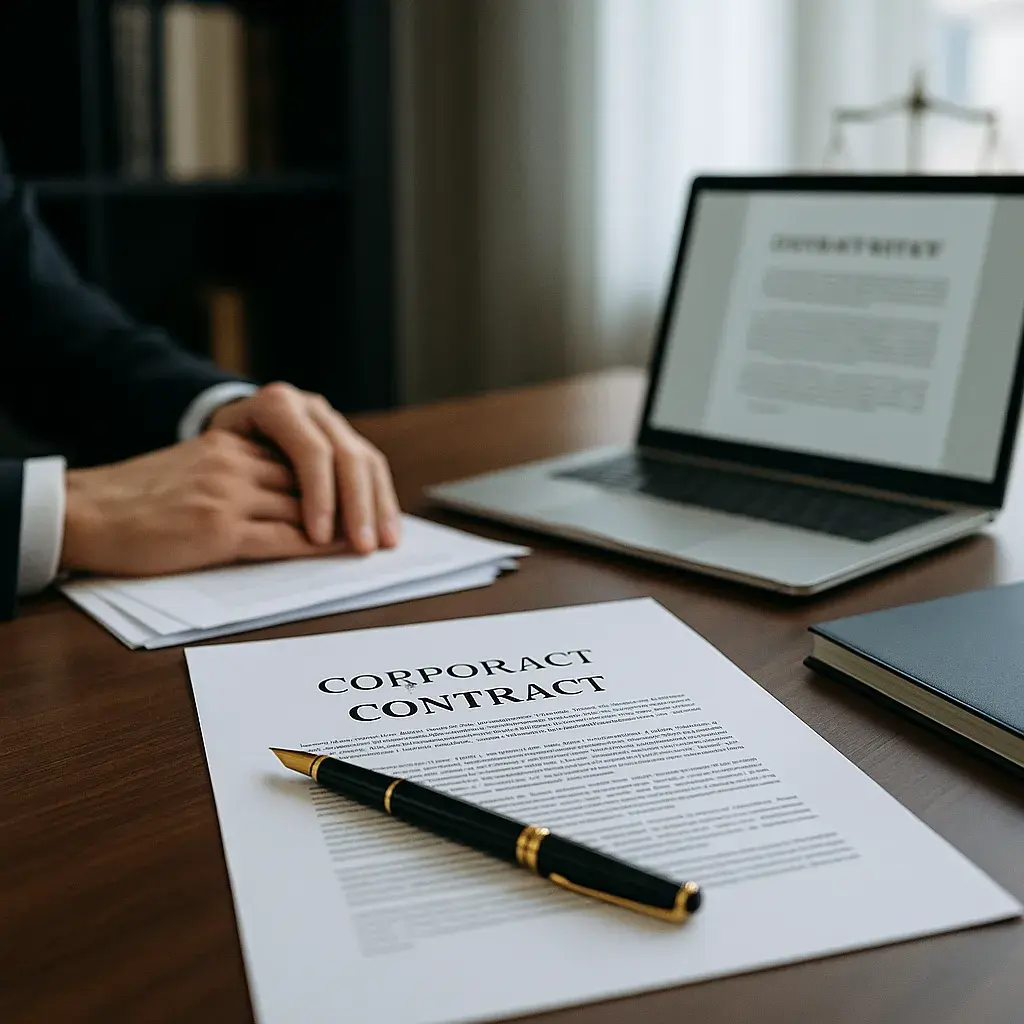
Trademark Lawyers in NYC : Infringement Defense & Strategy
3 Key Trademark Infringement Points From Lawyer NYC Attorney: Cease-and-desist letters trigger immediate action, federal registration strengthens claims, damages range $1,000–$150,000 per violation Trademark infringement disputes in New York City involve complex questions of likelihood of confusion, brand dilution, and remedies that can expose a business to significant liability. Whether you are defending against allegations or pursuing protection for your own mark, the stakes demand early legal counsel. From a practitioner's perspective, the most costly mistakes occur when businesses delay responding to infringement claims or fail to understand the distinction between federal and common law rights. This guide examines the legal framework, key risk areas, and strategic considerations that should inform your decision to engage trademark counsel.
Lire la suite
