Informations juridiques

How Do Debt Collection Agencies Operate under U.S. Law?
Debt collection agencies are third-party entities that purchase, inherit, or are retained to collect debts on behalf of creditors or other debt owners, operating within a highly regulated framework of federal and state statutes that govern their methods, timing, and permissible contact practices. The Fair Debt Collection Practices Act (FDCPA) establishes baseline prohibitions on harassment, misrepresentation, and unfair practices, while state laws often impose additional requirements on licensing, bonding, and consumer disclosures. Violations of these statutes can result in civil liability, regulatory sanctions, and viable defenses to collection actions, making procedural compliance and documentary accuracy central to any collection effort. This article examines the operational framework of debt collection agencies, the legal boundaries that constrain their activities, the enforcement mechanisms available to regulators and consumers, and the strategic considerations that creditors and collection agencies must weigh when pursuing outstanding debts.
Lire la suite

How Can an Employment Law Attorney NYC Help Your Employment Case?
Employment disputes in New York operate on a dual track, where administrative remedies through the New York City Commission on Human Rights (CCHR) or the New York State Division of Human Rights (DHR) run parallel to civil litigation, each with distinct filing deadlines, remedies, and procedural rules that can fundamentally shape your options. Workers facing discrimination, retaliation, wage theft, or wrongful termination often do not realize that the jurisdiction where they file, the timing of that filing, and whether they exhaust administrative processes before court litigation can determine what relief remains available. Understanding these procedural forks early, before making formal complaints or accepting severance, is critical to protecting your interests. New York employment law combines state and federal protections that overlap in complex ways, and the interplay between these systems requires careful navigation.
Lire la suite

How Can a Criminal Trial Lawyer in Bronx Protect Victim Rights?
A Bronx criminal trial lawyer protects victim rights by securing orders of protection, navigating court procedures, and advocating for fair restitution throughout the trial.When a criminal matter reaches trial, a victim's ability to participate meaningfully and secure accountability depends on understanding how the criminal justice system operates and where your interests receive formal recognition. A criminal trial attorney in Bronx can help you navigate these processes, though the role varies significantly from criminal defense representation. This article explains how victims engage with trial proceedings, what documentation matters most, and how to prepare for participation in a system that often feels opaque to those outside the legal profession.
Lire la suite

How to File a Trademark: Why Search before Filing Matters
Learn how to file a trademark with a search before filing to reduce conflict risk and prepare a stronger USPTO application. A trademark search before filing identifies conflicts before an application is submitted. Trademark Search Before Filing can reveal similar marks and common law use. In my experience, early review often prevents avoidable disputes. Trademark Search Before Filing supports a stronger application, and Trademark Search Before Filing helps businesses make informed decisions.
Lire la suite

Construction Attorney in New York : Building Construction Contract
Three Key Building Construction Contract Points from a Lawyer in New York: Written contract required, change order disputes common, lien law protections vary by party. A construction attorney in New York helps contractors, owners, and subcontractors navigate the complex web of contract formation, performance obligations, and dispute resolution. Building construction contracts in New York are governed by both common law principles and specific statutory frameworks, including the Lien Law and General Obligations Law. Understanding these frameworks early can prevent costly disputes and protect your rights before a shovel hits the ground.
Lire la suite

Implied Consent Violations: Rights & Defense
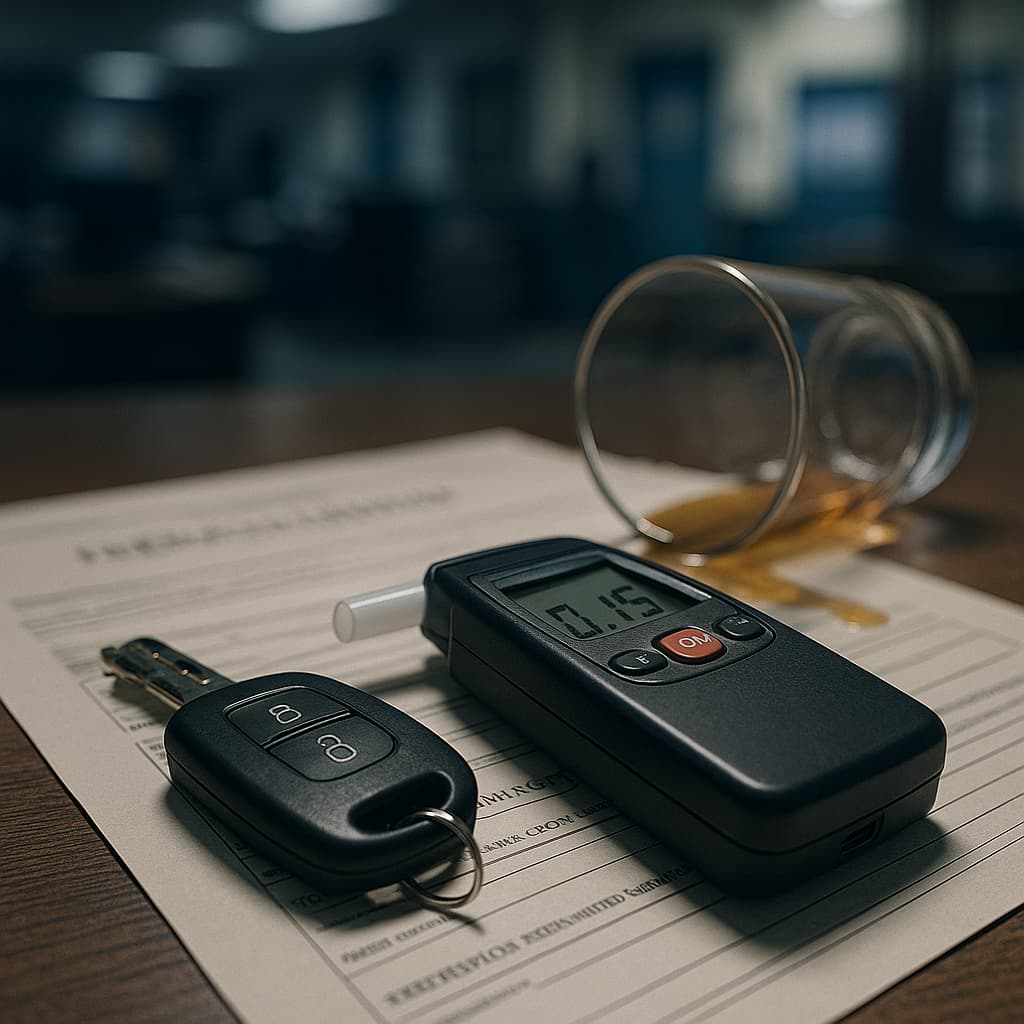
Under New York Vehicle and Traffic Law Section 1194, driving implies consent to chemical tests. Refusing a breathalyzer triggers an immediate license suspension and civil penalties, separate from criminal DUI charges. Challenging police procedural errors and test validity in administrative hearings can protect driver rights and preserve driving privileges.
Lire la suite