法律情報

Repeat DUI 3rd Offense Penalty
A third conviction for Driving Under the Influence (DUI) in New York is deemed a serious Class D felony crime. New York law imposes mandatory minimum penalties, long-term license consequences, and a high likelihood of incarceration for repeat offenders. This article details the complex sentencing framework, significant detention risks, and crucial mitigation strategies relevant to individuals facing a third DUI charge.
続きを読む

Easement by Necessity
In the complex urban landscape of Washington D.C. .roperty owners occasionally discover that their land is completely cut off from public access routes. An Easement by Necessity provides a critical legal pathway to resolve this by granting the right to cross adjacent private land. This guide details the essential requirements for proving necessity and the judicial procedures used by the Superior Court to establish these rights while maintaining equitable treatment for all neighbors. Understanding these concepts is vital for anyone facing geographic isolation within the District's dense residential or commercial sectors.
続きを読む

How Should a Corporation Respond to an Oil Case Claim?
An oil case typically involves a civil action alleging contamination, environmental damage, property harm, or regulatory violation connected to oil operations, storage, or transport. Corporations facing oil case claims must establish a clear procedural posture early, as liability exposure and remediation costs can be substantial. Defense strategy hinges on identifying the specific allegation, determining which party bears the burden of proof, and preserving evidence before critical deadlines pass. This article covers the procedural framework, key defense angles, document preservation requirements, and practical steps to protect corporate interests during the claim lifecycle.
続きを読む

What You Should Know about Mass Tort Actions
A mass tort action consolidates claims from many individuals injured by the same product, defect, or conduct into a coordinated legal process. Unlike a single lawsuit or a class action, mass tort litigation typically preserves individual claims while using shared discovery, expert witnesses, and coordinated trial schedules to manage efficiency and consistency. Potential litigants who have suffered injury or loss from a widely distributed product or widespread negligence often have the option to join or pursue a mass tort claim, though the timing, procedural requirements, and strategic considerations vary significantly depending on the nature of the harm and the jurisdiction in which claims are filed.
続きを読む

Investors Need Core Strategies in Private Funds Law
Investors in private funds face distinct legal and structural risks that differ markedly from public market securities, requiring careful due diligence on fund governance, fee arrangements, and regulatory compliance before committing capital. Private funds operate under a complex overlay of federal securities laws, state regulations, and contractual frameworks that shape investor rights and remedies. Understanding the fund's organizational structure, the manager's fiduciary duties, and the investor's liquidity constraints is foundational to risk assessment. From a practitioner's perspective, many investor disputes arise not from fraud but from misaligned expectations about fees, redemption terms, and the scope of the manager's discretion.
続きを読む

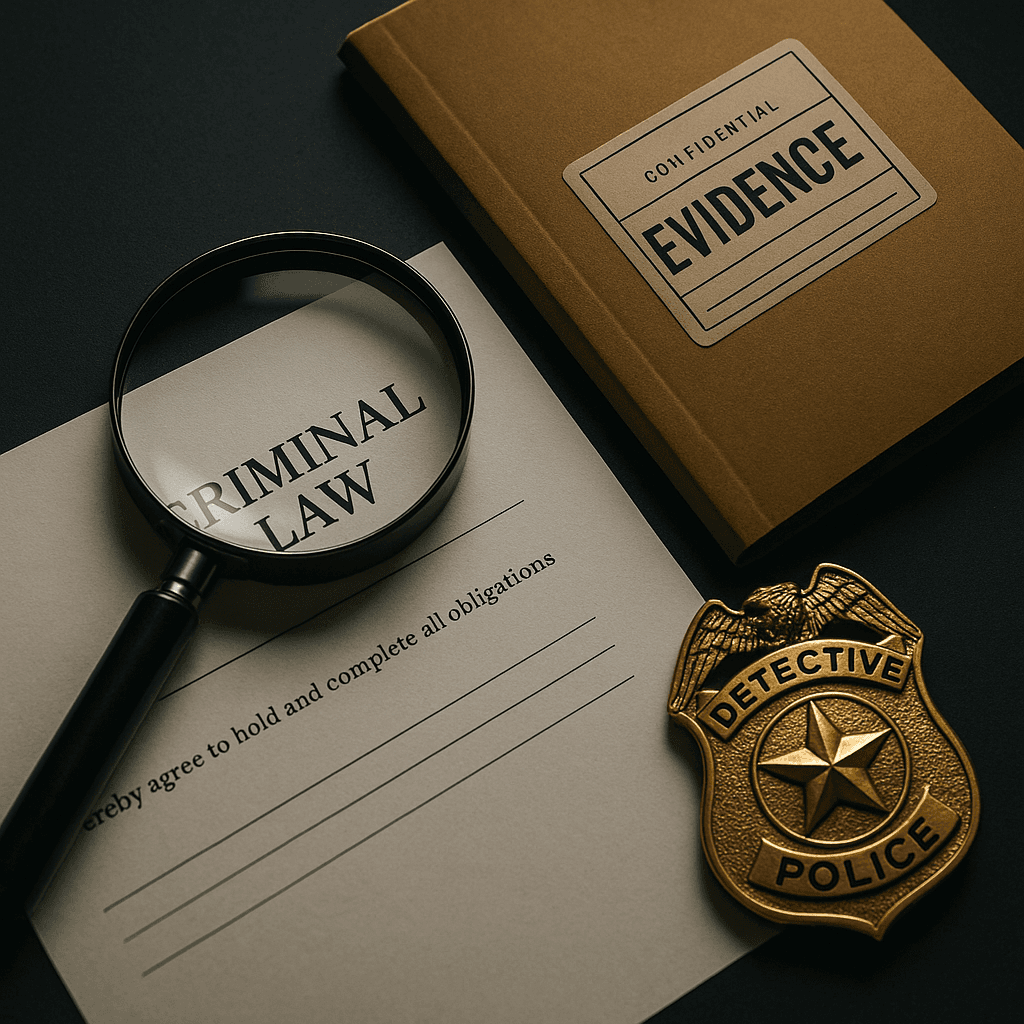
Criminal Law Firm in New York City : Legal Defense & Specialist Counsel
Three key criminal law specialist points from a lawyer in New York City: Felony charges require immediate defense strategy, Miranda rights protect interrogation statements, and New York courts apply strict evidence rules. Criminal charges in New York City demand prompt, skilled counsel. A criminal law specialist understands the complexities of state and federal prosecution, the procedural protections available to defendants, and the realistic outcomes in different courtroom environments. Whether you face misdemeanor or felony charges, the decisions you make in the first hours and days after arrest significantly influence your case trajectory. This guide explains the core legal frameworks, common pitfalls, and strategic considerations that define criminal defense in New York.
続きを読む