法律情報

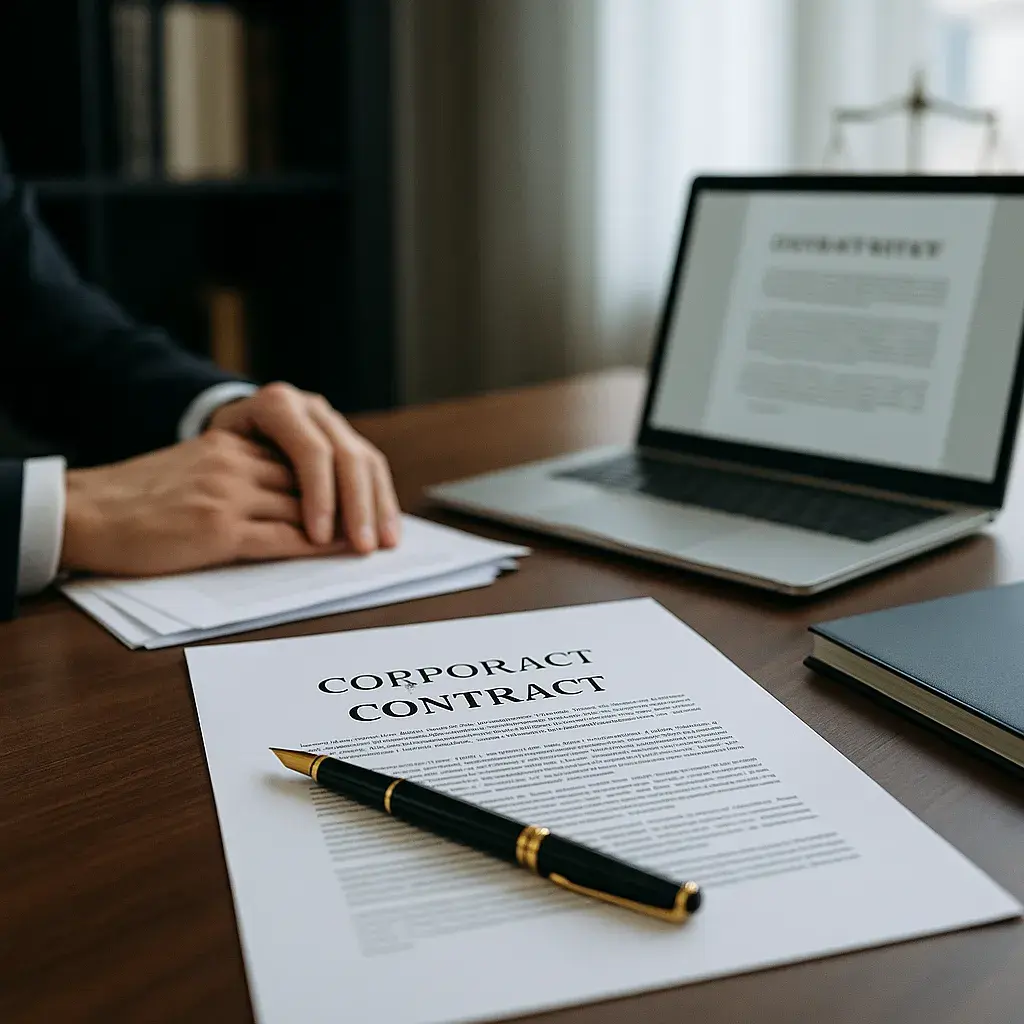
Living Trust Lawyer Explains Corporate Succession Planning Strategies
A living trust lawyer helps business owners transfer corporate shares, avoid probate delays, and align succession plans with corporate bylaws and New York law. A living trust lawyer helps business owners protect ownership interests by structuring trusts that support seamless corporate succession. From my experience, many succession plans encounter problems because corporate bylaws and share transfer requirements are overlooked. A living trust lawyer reviews governance documents, coordinates trust funding, and helps businesses reduce probate risks so a living trust lawyer strategy supports long-term operational continuity.
続きを読む
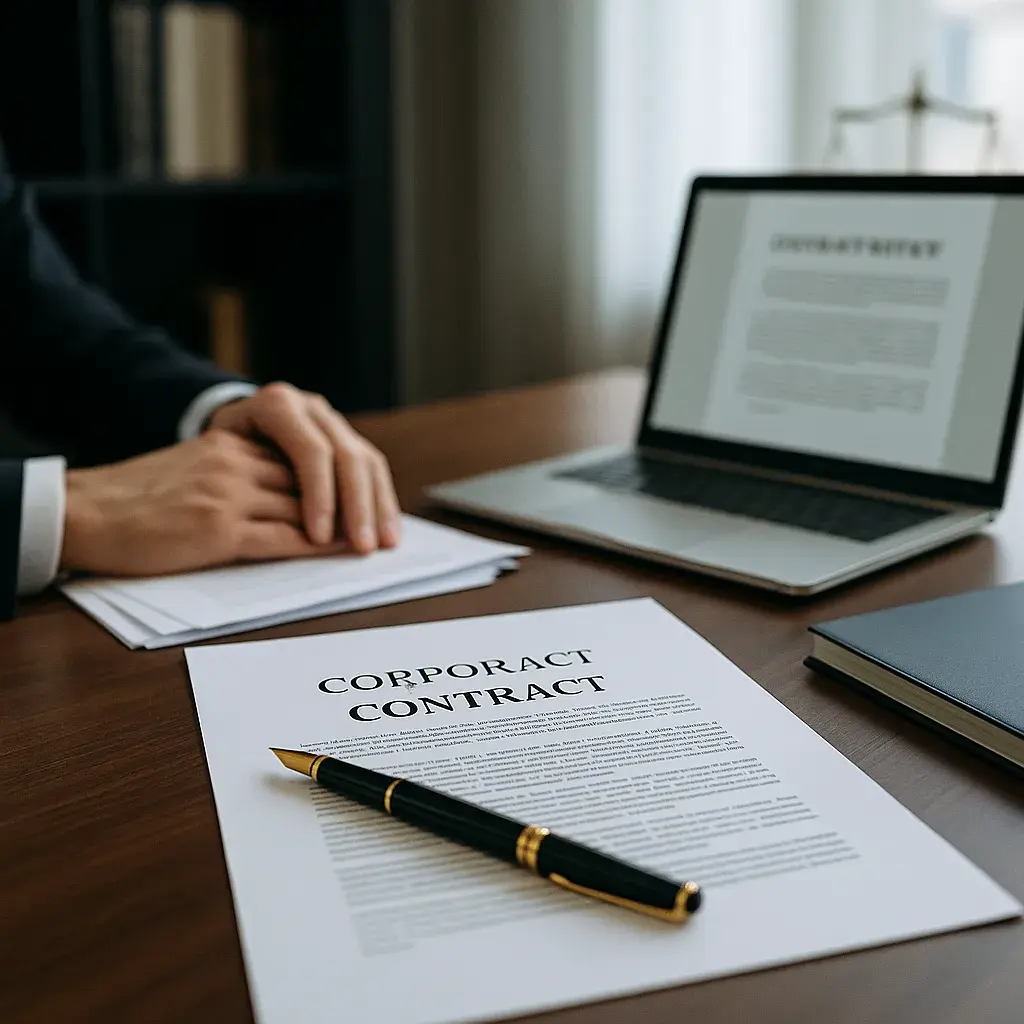
How Can Taxpayers Maximize Tax Credits in New York?
Tax credits in New York operate as direct reductions of tax liability, distinct from deductions, and require precise eligibility documentation and timely filing to avoid forfeiture. New York offers multiple categories of tax credits, each with specific income thresholds, carryforward periods, and substantiation requirements that vary by credit type and tax year. Understanding which credits apply to your situation, the documentation needed to support them, and the procedural deadlines for claiming them can materially affect your tax obligation. From a practitioner's perspective, many taxpayers miss credits or face audit risk because they fail to match their circumstances to the correct credit, or do not maintain adequate records.
続きを読む

Regulatory Investigation Risk in Life Sciences: Act Early to Protect Your Business
3 Priority Considerations in Life Sciences Investigations and Enforcement Matters: Regulatory agency authority and scope of investigation, privilege and document protection during enforcement actions, settlement and compliance obligations.Life sciences investigations and enforcement actions represent a critical intersection of regulatory oversight, criminal liability, and civil remedies. These matters typically involve federal agencies (FDA, DOJ, FTC, HHS-OIG) and state regulators scrutinizing conduct in pharmaceutical development, clinical trials, medical devices, biologics, and healthcare billing. The stakes are substantial: civil penalties can reach tens of millions of dollars, criminal exposure extends to individuals and entities, and reputational damage often precedes financial loss. Counsel advising in-house compliance teams, corporate defendants, and executives must understand the mechanics of agency investigation, the scope of discovery obligations, and the strategic inflection points where early intervention shapes outcomes.
続きを読む

Defending a False Statement Charge with a Lawyer in Manhattan NY
False statement charges in Manhattan, New York carry serious legal consequences that require immediate and skilled legal representation. A lawyer in Manhattan NY with experience in false statement cases understands the complexities of these charges and the specific procedures followed in Manhattan courts. Whether you face charges related to false statements made to government agencies, financial institutions, or other entities, understanding your legal options is essential to protecting your rights and future. Key InsightsStrict Burden of Proof: To secure a conviction, the prosecution must prove beyond a reasonable doubt that a false statement was made knowingly, with an intent to deceive, and was material to an official proceeding.Jurisdictional Differences: Charges can be brought under federal law (18 U.S.C. Section 1001) or New York State Penal Law. Federal cases typically carry more severe penalties and are handled in the Southern District of New York.The Importance of Materiality: Not every inaccuracy is a crime. A central defense strategy involves proving the statement did not have a natural tendency to influence the decision-making process of the agency involved.Intent vs. Honest Mistake: A lawyer in Manhattan NY often focuses on the client's state of mind at the time the statement was made, arguing that a statement believed to be true does not meet the legal threshold for "knowing" falsehood.Localized Court Dynamics: Manhattan houses both the federal courthouse for complex white-collar crimes and the New York County Supreme Court for state felonies. Each system has unique procedural rules, discovery timelines, and judicial expectations.Negotiation and Cooperation: In complex investigations, engaging in proffer agreements or negotiations can lead to reduced charges. This requires a careful cost-benefit analysis of the evidence versus the risks of a trial.
続きを読む

Trademark Non-Use Cancellation Protecting Your Rights and Core Defense Strategies
Trademark Non-use Cancellation is a legal process to remove unused marks where an experienced attorney helps protect your New York brand through strategic evidence.Non-use cancellation serves as a vital administrative mechanism within the United States trademark system to ensure that the federal register accurately reflects the marks actually active in the marketplace. When a registrant fails to utilize their protected brand for an extended period third parties may initiate legal proceedings to remove the mark and clear the path for new commercial entries. This process is essential for maintaining the integrity of intellectual property rights and preventing the unfair hoarding of valuable brand names in the New York economy.
続きを読む

How Do Governance Frameworks Protect Corporate Operations and Compliance?
Governance frameworks are the operational and legal structures that guide corporate decision-making, accountability, and risk management across board, management, and stakeholder levels.A sound governance framework establishes clear authority lines, fiduciary duties, and disclosure obligations that reduce litigation exposure and regulatory penalties. Courts and regulators assess whether a corporation's governance posture meets statutory and common-law standards for care, loyalty, and transparency. This article examines the core components of governance frameworks, shareholder protections, compliance infrastructure, and practical steps corporations should take to strengthen their governance posture and mitigate regulatory and litigation risk.
続きを読む