法律情報

Local Tax Attorney Services: Defense Strategies for IRS and New York Audits
A local tax attorney provides strategic defense for IRS audits, state disputes, and complex back tax issues in New York. Navigating tax controversies requires immediate legal intervention to protect personal and business assets. Qualified legal counsel negotiates directly with tax authorities to resolve tax debts and audit assessments effectively.
続きを読む

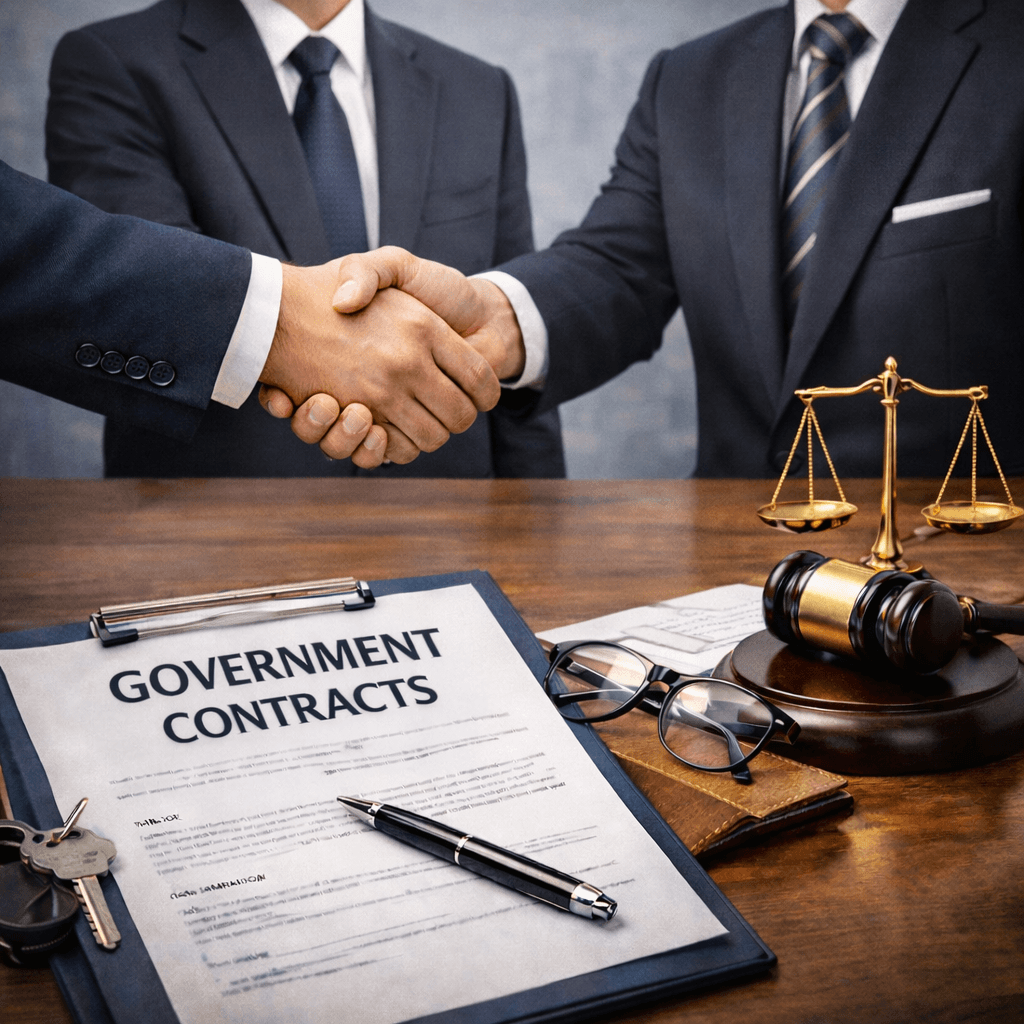
Key Legal Risks in Federal Programs and Government Contracts That Demand Immediate Attention
3 Questions Decision-Makers Raise About Federal Programs and Government Contracts: Compliance audits and defective pricing claims, bid protest procedures and contract termination exposure, False Claims Act liability, and suspension risk.Organizations that pursue federal programs and government contracts face a distinct regulatory ecosystem. Unlike commercial contracting, federal procurement is governed by statutes, regulations, and case law that impose strict compliance obligations on contractors and grant recipients. The stakes are high: a single compliance failure can trigger audit findings, contract suspension, debarment, or False Claims Act liability. As counsel, I often advise clients that federal contracting is not simply commercial law with government as the buyer. The rules are different, the enforcement mechanisms are more aggressive, and the remedies available to the government are broader. Understanding these legal risks early is essential to protecting your organization's ability to compete and perform.
続きを読む
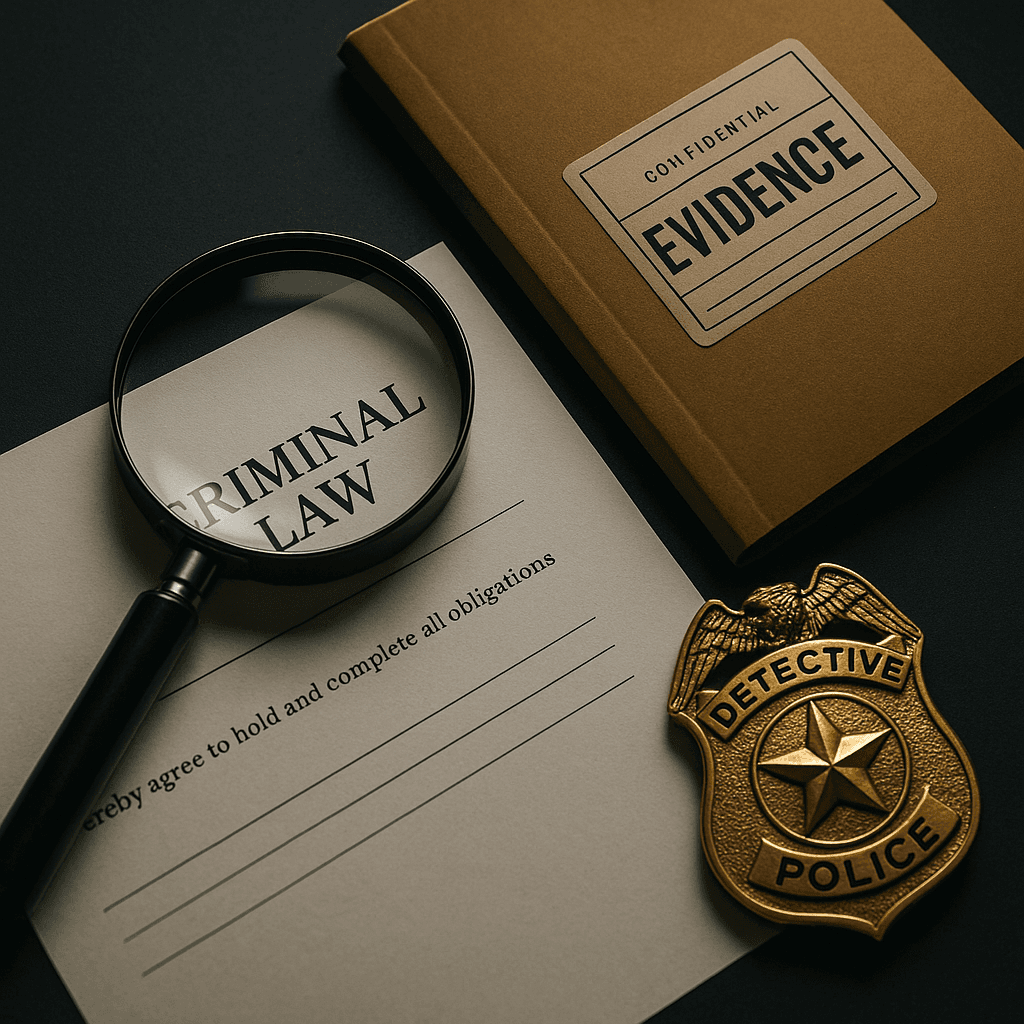
Defend Your Liberty with a Top Criminal Law Firm
Achieving a favorable legal outcome begins with choosing a defense team that understands the government's tactics from the inside out. Our office connects you with a top criminal law firm capable of protecting your constitutional rights from the moment of arrest through final resolution. We prioritize trial experience and prosecutorial backgrounds to ensure every client receives a vigorous defense tailored to the complexities of both state and federal charges while maintaining the high standards of a premier criminal law firm. Defense Selection PillarsProsecutorial Perspective Attorneys with past experience in government offices understand exactly how cases are built and where the evidence is most vulnerable.Charge Alignment Matching a firm's historical success with your specific allegations ensures the defense strategy remains relevant to the crime charged.Procedural Vigilance Continuous advocacy from police questioning through trial preparation prevents constitutional violations and secures early dismissals.Resource Depth A dedicated team provides access to private investigators and forensic experts necessary for analyzing large volumes of evidence.
続きを読む
How to Protect Your Creative Work through a Design Copyright Lawsuit
Design Copyright Lawsuit Key Strategies for Protecting Creative RightsCopyright eligibility, infringement evidence, judicial remedies A Design Copyright Lawsuit in New York represents a vital legal tool for protecting original artistic expressions from unauthorized commercial exploitation. In a competitive marketplace where visual identity defines brand value, asserting exclusive rights through federal litigation is essential for maintaining a creative edge. This guide examines the statutory standards and procedural steps required to navigate complex design disputes effectively within the metropolitan innovation sector.
続きを読む

Why Land Law Notice Requirements Dictate Case Dismissal
Land law disputes can halt development timelines, cloud title, trigger liability exposure, and force costly litigation or settlement for corporations holding real property interests. Corporate land holdings face unique risks because title defects, boundary conflicts, easement encroachments, and zoning violations often surface only after acquisition or during project execution. This article addresses the procedural landscape, defense angles, and practical documentation strategies that corporations should evaluate when land disputes arise. Understanding the procedural requirements and common pitfalls helps your organization protect asset value and avoid dismissal or enforcement gaps.
続きを読む
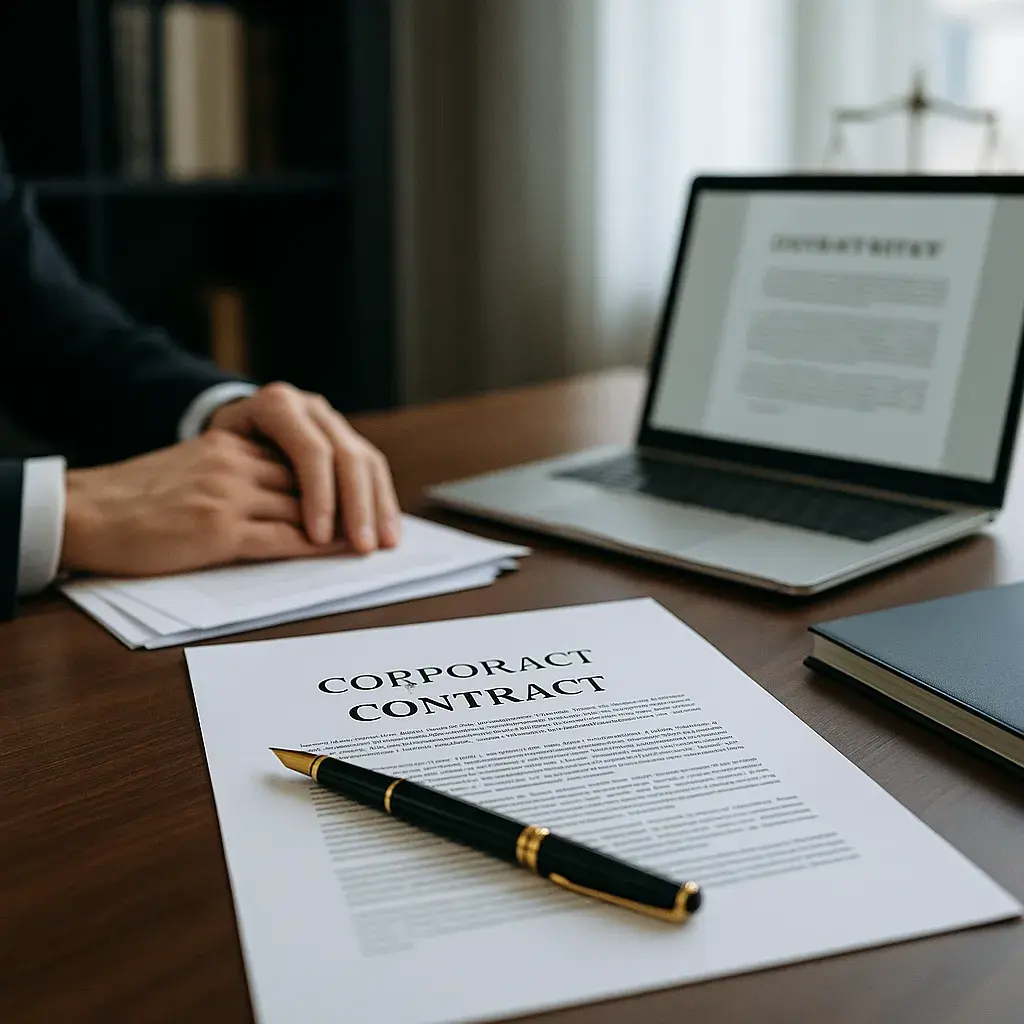
Financial Record-Keeping Requirements for New York Businesses
New York businesses must keep financial records that satisfy IRS and state rules — generally for three to seven years depending on the record type, and longer for some categories, such as payroll records under New York's six-year rule and asset records you must keep until years after the asset is sold. Every invoice, receipt, and payroll entry becomes potential evidence if the IRS or a New York auditor ever asks questions. This guide breaks down which business financial records you need to keep, how long each category must survive — under both federal rules and New York's own requirements for sales tax and payroll — and how to store them so they hold up under review.
続きを読む