法律情報

Speeding Ticket Attorney: Defend Your Record in Traffic Court
New York speeding ticket attorney’s key strategies for defending traffic violations:• A single speeding conviction in New York can add DMV points to your driving record, potentially leading to license suspension if violations accumulate.• Insurance companies often increase premiums after a speeding conviction, creating long-term financial consequences beyond the initial fine.• A speeding ticket attorney can analyze the evidence, challenge the traffic stop or radar accuracy, and negotiate reductions to protect your license and record. A speeding ticket attorney provides the focused legal guidance drivers need when a speeding violation threatens their license and their daily routine. In New York, a single speeding conviction does far more than impose a fine. The DMV assigns points that accumulate on your record, insurance carriers adjust your premium upward, and repeated offenses can trigger a full license suspension. This guide covers the legal process after a speeding violation, essential precautions, how a speeding ticket attorney strengthens your defense, and the risks of handling traffic court alone.
続きを読む

Business Secret Disclosure
Unauthorized disclosure of confidential business information in New York can lead to severe legal repercussions, including criminal prosecution and substantial civil lawsuits. Whether a breach occurs through data theft by a departing employee or the violation of a signed confidentiality clause, the legal system treats these actions seriously. This article concisely outlines what qualifies as a business secret under New York law, the stringent legal standards for protection, and the possible civil and criminal penalties for non-compliance. Businesses and employees must understand these regulations to mitigate legal exposure.
続きを読む

What Are Your Epc Compliance Obligations As a Corporation?
Energy Performance Certificate (EPC) compliance is a regulatory requirement affecting corporations that own or manage real estate. EPCs document a building's energy efficiency and must be disclosed to prospective buyers or tenants before marketing begins. Non-compliance exposes your company to administrative penalties, transaction delays, and potential liability. This article explains corporate compliance obligations, documentation requirements, and practical steps to maintain compliance across your property portfolio.
続きを読む
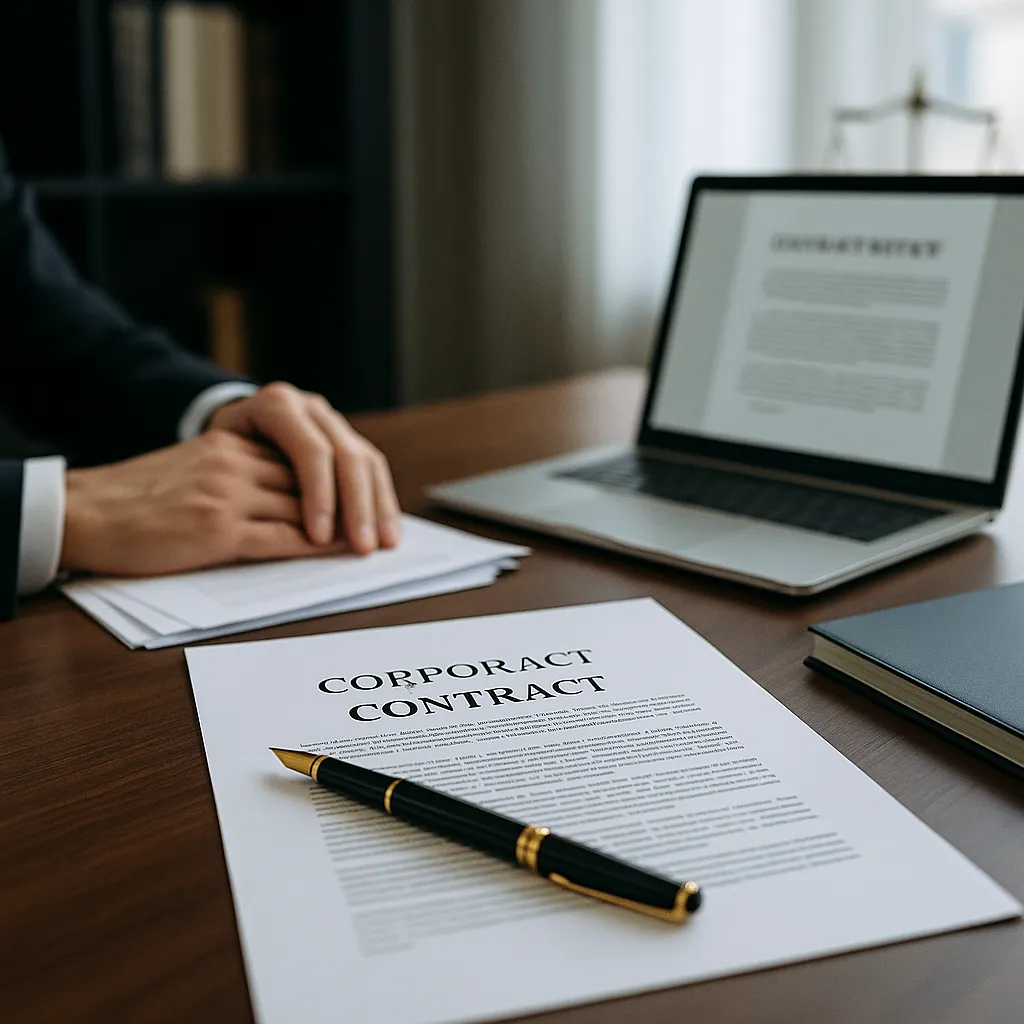
Insurance Regulatory Compliance and Legal Procedures to Follow
3 Bottom-Line Points on Insurance Regulatory Matters from Counsel: Compliance deadlines vary by license type, state authority, policy disclosure obligations trigger liability exposureInsurance regulatory compliance sits at the intersection of state licensing requirements, federal consumer protection mandates, and evolving case law that shapes how courts interpret policy language and insurer obligations. For in-house counsel, compliance officers, and insurance executives, understanding the practical mechanics of regulatory oversight is not a theoretical exercise; it determines whether your organization faces fines, license suspension, or civil litigation. The regulatory landscape has shifted significantly in recent years, with state insurance commissioners asserting broader authority over market conduct and digital distribution channels. This article addresses the operational and strategic priorities that matter most when navigating insurance regulatory requirements.Regulatory Risk CategoryKey ExposureTypical Response TimelineMarket Conduct ExaminationPolicy file deficiencies, underwriting documentation gaps30 to 60 days for initial responseConsumer Complaint InvestigationClaim handling delays, misrepresentation claims15 to 30 days for complaint acknowledgmentLicensing or Appointment IssuesContinued operation without valid authorityImmediate remediation requiredData Security or Privacy BreachNotification obligations, regulatory penalties24 to 72 hours for breach notification
続きを読む

What Are Administrative Legal Services for New York Businesses?
Getting a license is paperwork. Keeping one is litigation.Most New York businesses meet their regulator twice: once at application, and once when something goes wrong — a renewal denied, a violation issued, a suspension pending a hearing. The second encounter is the one that decides whether the business continues, and it runs on rules that have little in common with civil practice. Which agency matters more than which industry. The State Liquor Authority, the Department of Health, the Department of Financial Services, the DEC, and on the city side DCWP, DOB, and the Department of Buildings each have their own procedures, their own hearing forums, and their own timelines. A practitioner who knows one does not automatically know the next. The record closes at the agency. Judicial review comes through an Article 78 proceeding, which examines what the agency already had. The court asks whether substantial evidence supported the determination, not whether it was right, and evidence not offered below is generally unavailable. The window to file runs four months from a final determination. That is why the first hearing is worth taking seriously, and why counsel belongs there rather than after.
続きを読む

How a Traffic Ticket Lawyer Helps Protect Your Driving Record
New York attorney’s key strategies for fighting traffic violations:• Responding within strict court deadlines is critical to avoid automatic penalties, license suspension, or additional fines.• Preventing point accumulation helps drivers avoid insurance premium increases, surcharges, and potential license revocation.• Skilled negotiation and procedural challenges can lead to reduced penalties, alternative resolutions, or possible dismissal of the ticket. A traffic ticket lawyer guides drivers facing a speeding ticket or other traffic violation through New York's complex legal process. Professional counsel can preserve your driving record and prevent unnecessary financial harm. This guide covers ticket procedures, penalties, and why skilled representation matters.
続きを読む