




法律情報

Patent Law Rights, Application Procedures, and Protection Strategies
Patent Law explains patent types, application procedures, examination requirements, and protection strategies in New York for inventors and businesses. Patent Law defines how inventions qualify for protection, how patent applications are examined, and how exclusive rights are enforced. Understanding Patent Law early helps inventors make informed decisions before filing and during examination. This guide explains Patent Law through patent types, application procedures, infringement risks, and long-term protection strategies.
続きを読む

Environmental Compliance: What Drives Your Regulatory Risk?
Environmental compliance for corporations involves meeting federal, state, and local regulatory requirements that govern air and water quality, hazardous waste handling, emissions reporting, and land use practices. Corporate environmental obligations span multiple statutes and enforcement agencies, each with distinct reporting timelines, permit requirements, and penalty structures. Understanding which rules apply to your operations, maintaining accurate records, and responding promptly to agency notices are essential to building a defensible compliance posture. This article addresses the key statutes and agencies that govern corporate environmental obligations, the documentation and record-keeping practices that support a compliance defense, the procedural steps in agency enforcement actions, and the elements of a proactive compliance program.
続きを読む
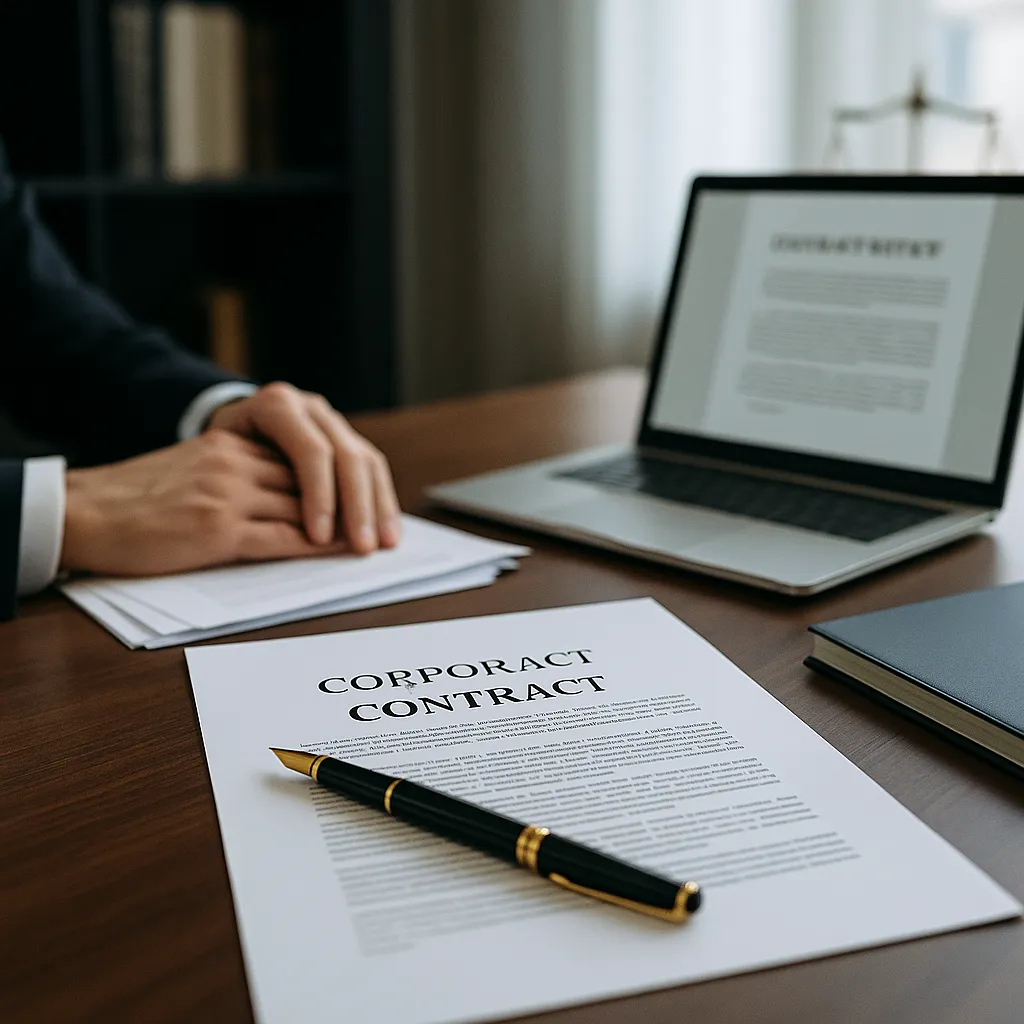
Which Legal Risks Need Attention Now in Derivatives, Equities, and Structured Products?
3 Questions Decision-Makers Raise About Derivatives, Equities, and Structured Products: Regulatory classification disputes, valuation transparency gaps, counterparty credit exposure.In-house counsel and compliance teams managing derivatives, equities, and structured products face an environment where regulatory classification, disclosure obligations, and counterparty risk have become sources of material legal exposure. The complexity of these instruments, combined with evolving regulatory expectations and market volatility, means that many organizations discover compliance gaps only after a dispute or examination surfaces them. From a practitioner's perspective, the most consequential decisions happen early: how you classify an instrument, what disclosures you make, and how you document counterparty arrangements often determine whether a transaction survives regulatory scrutiny or becomes a source of litigation.
続きを読む

Administrative Lawsuit: What It Is, Who Can File, and How It Works
An administrative lawsuit is a legal action filed against a government agency when its decision, action, or inaction violates the law or your rights. When a federal, state, or local agency denies your permit, revokes your license, cuts your benefits, or imposes a penalty, you have legal recourse. This guide explains what administrative lawsuits are, who qualifies to file, how the litigation process works from pre-filing through trial, what deadlines apply, and what remedies a court can award.
続きを読む
Personal Injury Attorney Explains Your Rights Compensation and Legal Strategies
A personal injury attorney explains negligence, liability, compensation, filing deadlines, and claim strategies under New York law to help injured individuals understand their legal rights. A personal injury attorney evaluates whether another party's negligence caused an injury, identifies recoverable damages, and explains the differences between insurance claims and civil lawsuits. From vehicle collisions and workplace accidents to premises liability and medical malpractice, a personal injury attorney helps people understand the legal standards that may affect compensation. In my experience, learning these principles early often helps avoid costly mistakes, and a personal injury attorney can explain available legal options before important decisions are made.
続きを読む
International Patent Application: Pct Procedures and National Phase Entry
Understand the international patent application process, including PCT filing, priority rights, national phase entry, and jurisdiction-specific requirements. An international patent application provides a structured path for seeking patent protection across multiple jurisdictions through the Patent Cooperation Treaty. From my experience, a successful international patent application depends on managing priority deadlines, preparing for national phase entry, and understanding country-specific requirements. This article explains how an international patent application supports global patent protection while helping applicants reduce procedural risks and filing costs.
続きを読む
