




法律情報

Debt Collection Process in New York: Lawsuits and Enforcement
Debt collection process defines notice requirements, debt verification, lawsuits, judgments, enforcement procedures, and defense rights under New York law. Debt collection process establishes the legal framework for recovering unpaid debts under New York law. Debt collection process begins with notice and debt verification before progressing through collection lawsuits, judgments, enforcement procedures, and statutory deadlines. Understanding the debt collection process helps creditors and debtors evaluate legal rights, available defenses, recovery options, and compliance requirements throughout every stage of a collection dispute.
続きを読む

What Should a Corporation Know about a Business Management Contract?
A business management contract defines management authority, liability, termination, and enforcement rules that reduce corporate risk under New York law. A business management contract defines management authority, operational duties, financial accountability, and dispute procedures between a corporation and its manager. A business management contract should clearly allocate decision-making power, compensation, termination rights, and liability protections. Understanding a business management contract helps corporations strengthen governance, reduce disputes, and improve enforceability under New York law.
続きを読む
Multinational Legal Coordination Procedures and Rights
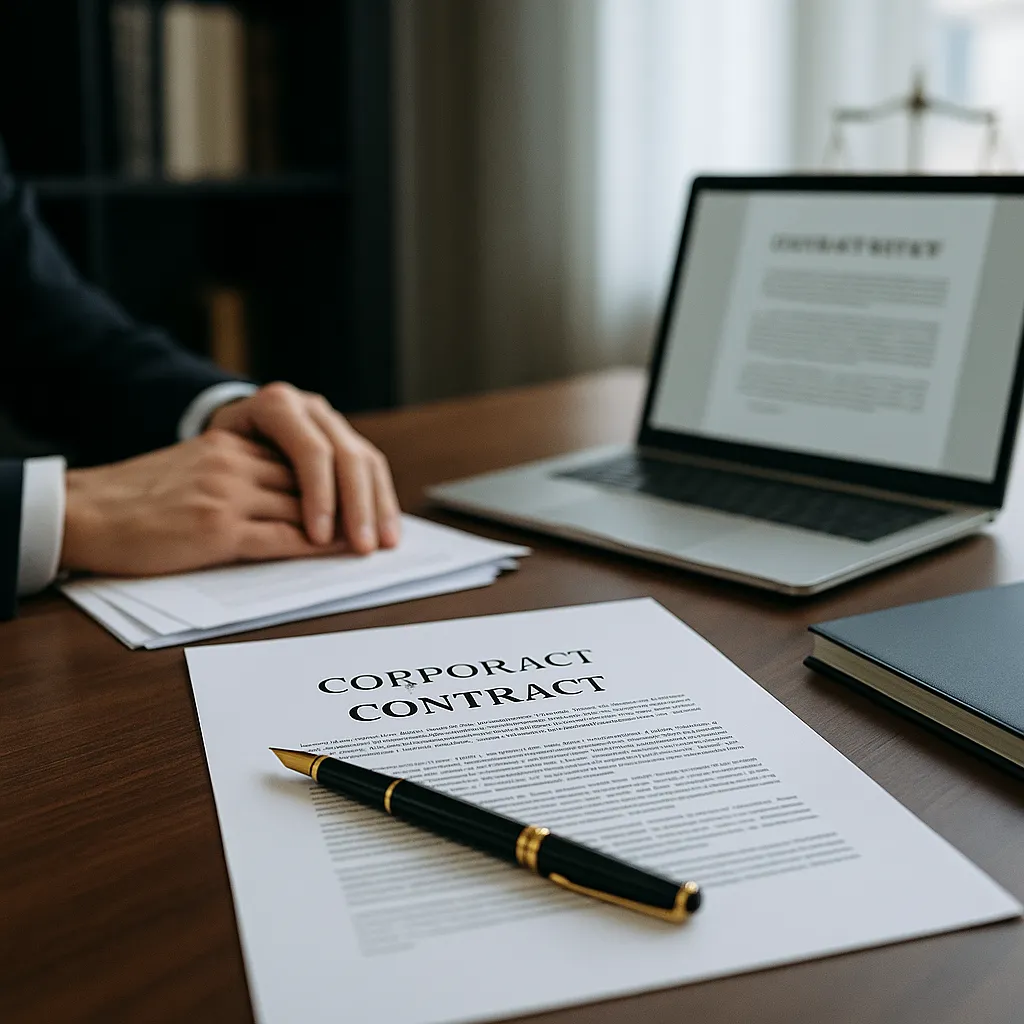
Multinational legal coordination ensures consistent standards, streamlines complex compliance, and minimizes cross-border legal risks.Multinational legal coordination is essential for companies operating across multiple jurisdictions, particularly those managing complex international transactions, regulatory compliance, and dispute resolution. When businesses expand globally, they must navigate diverse legal systems, varying corporate governance requirements, and intricate compliance frameworks. Effective multinational legal coordination ensures that organizations maintain consistent legal standards while adapting to local requirements in each market where they operate.
続きを読む
How to File a Criminal Complaint: Legal Steps in New York
Filing a criminal complaint in New York involves gathering sworn evidence and submitting detailed reports to law enforcement or prosecutors for review. Victims must present concrete factual allegations to establish probable cause and initiate formal charges. Knowing local judicial procedures ensures your case proceeds efficiently without legal delays.
続きを読む

Debt Collection Fees: Legal Rights and How to Challenge Them
Unlawful debt collection fees artificially inflate your balance, but federal law and New York regulations strictly limit what agencies charge. Under the Fair Debt Collection Practices Act (FDCPA), recovery agencies cannot add unauthorized surcharges or excessive interest without an explicit underlying contract or statutory basis. When an agency demands improper payment charges in New York, you possess the legal right to dispute the debt in writing and request formal validation. Knowing these statutory boundaries allows you to challenge predatory billing practices effectively and protect your personal financial standing.
続きを読む

How Can Your Corporation Manage a Regulatory Data Inquiry?
A data breach occurs when unauthorized parties gain access to sensitive corporate information.Your corporation's response determines legal exposure, regulatory penalties, and stakeholder trust. Data protection compliance hinges on timely breach notification, forensic investigation, and regulatory reporting under state and federal frameworks. This article addresses notification requirements, evidence preservation obligations, applicable data protection laws, and strategic defenses available to corporations facing breach investigations or litigation.
続きを読む
