法律情報

Financial Crime Penalties and Legal Response Methods
Financial Crime Penalties explain sentencing rules, asset forfeiture, restitution, and defense strategies under federal and New York law. Financial Crime Penalties are determined by federal sentencing guidelines and New York criminal statutes based on financial loss, offense level, intent, and statutory enhancements. Financial Crime Penalties may include imprisonment, restitution, fines, and asset forfeiture while also creating civil and administrative consequences. Understanding Financial Crime Penalties requires analyzing charging decisions, sentencing procedures, mitigation strategies, appellate issues, and coordinated defense approaches across parallel proceedings.
続きを読む

Corporate Governance Due Diligence in New York
Corporate governance due diligence covers board records, internal controls, and compliance to detect governance risks. Corporations in New York undergo corporate governance due diligence before transactions, financing, or regulatory review. The process examines board composition, director independence, fiduciary compliance, and related-party records. Completing corporate governance due diligence early reduces documentation gaps and limits exposure during SEC inquiries or shareholder disputes.
続きを読む

Systemic Reform Litigation: How Does It Work in New York?
Systemic reform litigation addresses structural discrimination in New York through class actions and injunctions. Dedicated legal counsel helps plaintiffs challenge institutional violations and achieve lasting policy remedies.When public agencies, correctional institutions, or large corporate entities engage in widespread constitutional or statutory violations, single-plaintiff lawsuits rarely fix the underlying issues. Institutional practices often require comprehensive judicial intervention to safeguard civil rights and ensure long-term compliance. SJKP's attorneys represent individuals, organizational plaintiffs, and impacted classes to challenge entrenched, systemic wrongdoing in federal and state courts.
続きを読む

Corporate Bookkeeping Guide to Essential Financial Records
Three Key Corporate Bookkeeping Points From Lawyer Attorney: IRS audit triggers, state compliance deadlines, and document retention rules.Corporate bookkeeping in New York requires more than just recording transactions. Maintaining accurate financial records protects your business from tax exposure, regulatory penalties, and litigation risk. Many business owners underestimate how critical proper documentation is until an audit or dispute forces them to reconstruct years of financial activity.
続きを読む

How Can a White Collar Crime Lawyer Protect You during a Federal Investigation?
White collar crime lawyer key defense strategies:federal investigation response and subpoena defense, fraud and financial crime evidence analysis, corporate compliance and regulatory risk management A white collar crime lawyer specializes in defending individuals and corporations against non-violent criminal charges involving fraud, embezzlement, money laundering, and related offenses. These attorneys understand the complexities of financial crimes and regulatory violations under New York law. White collar crime lawyers protect their clients' rights throughout investigations and prosecutions while navigating intricate legal procedures and potential penalties.
続きを読む
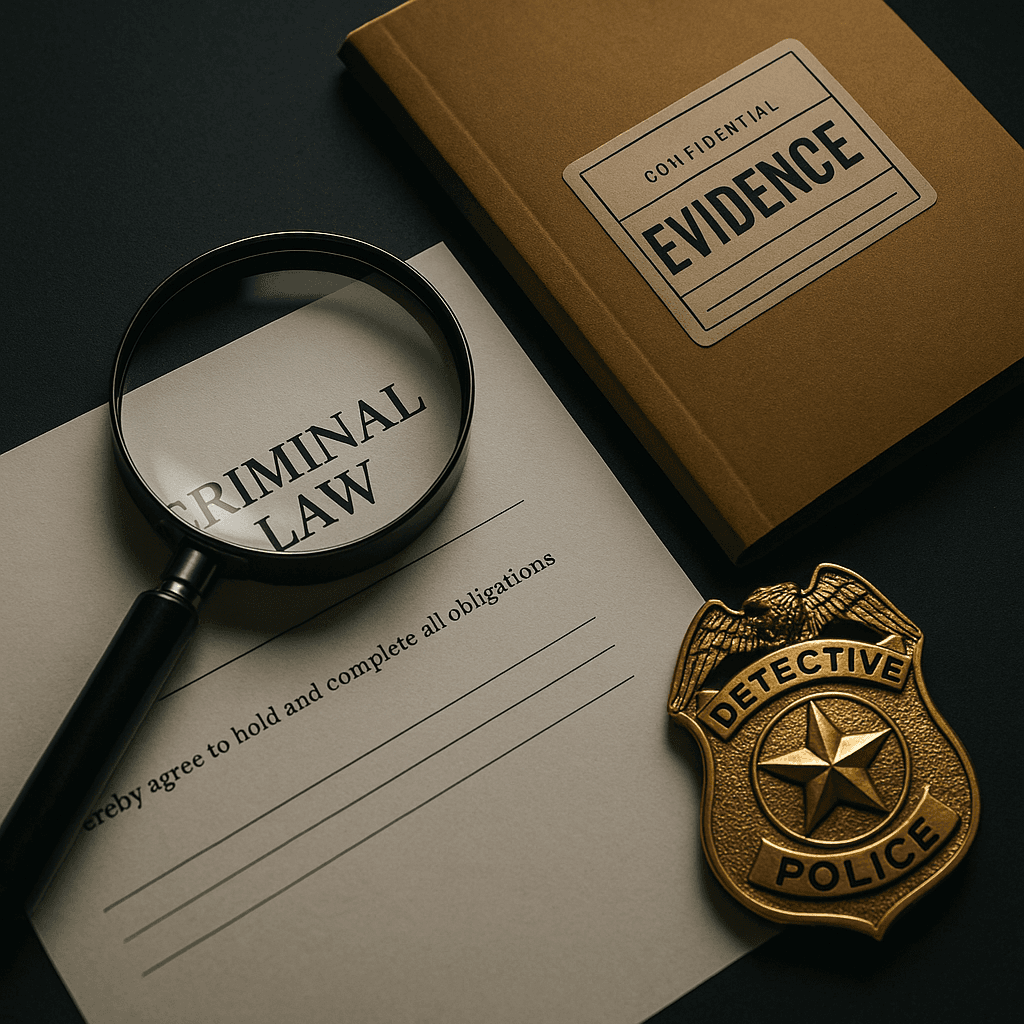
Collaborative Arrangements Shape Corporate Dispute Resolution Outcomes
Collaborative arrangements between businesses can resolve disputes outside litigation, but success depends on clear structural agreements, defined roles, and enforceable terms that courts will recognize and uphold. Corporate parties often enter collaborative arrangements to share risk, pool resources, or settle contested claims without court involvement. The enforceability of such arrangements hinges on whether the agreement contains all material terms, reflects mutual assent, and satisfies contract law requirements. This article covers how collaborative frameworks function in corporate contexts, what makes them legally binding, procedural defenses to enforcement, and practical documentation steps that protect your interests before disputes escalate.
続きを読む